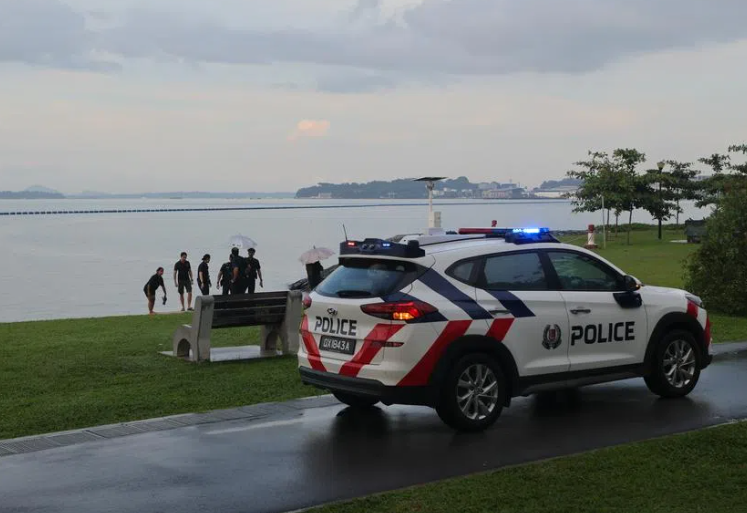
A recreational water sports outing turned tragic on Sunday when a 24-year-old man was fatally struck by lightning while paddleboarding in the waters off Pasir Ris Beach in Singapore. The incident, which occurred at approximately 4.50pm on July 5, claimed his life despite immediate emergency response efforts by the Singapore Civil Defence Force and rescue attempts from bystanders. Police confirmed early the next morning that the man was brought to hospital unconscious and subsequently died from his injuries.
Six other individuals, ranging in age from 13 to 54 years old, were caught in the same lightning strike and required hospitalization. The Singapore Civil Defence Force transported five people, including one in an unconscious state, to Sengkang General Hospital, while two children were separately conveyed to KK Women's and Children's Hospital. All six survivors remained conscious by the time they reached medical facilities, suggesting they may have escaped with non-life-threatening injuries. The broader group had been engaged in kayaking and paddleboarding activities when the lightning struck, transforming what should have been a pleasant afternoon at the beach into a catastrophic event.
The circumstances surrounding the incident highlight the unpredictable nature of lightning strikes, particularly in water environments where conductivity amplifies the danger. According to eyewitness Muhammad Fairuz, a 40-year-old delivery rider who was fishing nearby, the paddleboarding group was approximately 100 metres from shore shortly after 4pm when the lightning struck the water. Remarkably, he noted that the skies were clear at the moment of impact, suggesting that the dangerous conditions arose suddenly without obvious warning signs. Fairuz reported that he felt the electrical current transmitted through his fishing rod, demonstrating the extensive reach of the lightning's energy through the water.
When the lightning struck, chaos ensued among the group. Fairuz heard shouting and observed one man lying unconscious on his paddleboard while his companions quickly paddled their kayaks back toward the shore. Recognizing the emergency situation, Fairuz and another man immediately launched their kayaks to attempt a rescue, paddling out to retrieve the stricken paddleboarder and bring him back to land. His actions, though ultimately unable to prevent the fatal outcome, exemplify the instinctive response of beachgoers to assist in life-threatening situations. By the time emergency services arrived, resuscitation efforts were underway, with Singapore Civil Defence Force officers performing chest compressions on the beach in a desperate attempt to revive the victim.
Singapore Police have indicated that preliminary investigations do not suggest foul play in the incident, and their enquiries remain ongoing. The official police statement, released early on July 6, confirmed the circumstances of the lightning strike and the fatal outcome while noting the absence of any suspicious activity. This determination is significant for the bereaved family and the broader community, as it clarifies that the death resulted from a natural meteorological phenomenon rather than any criminal act or negligence requiring criminal prosecution.
The incident underscores the reality that lightning strikes, though relatively rare in terms of individual risk, pose a genuine hazard in tropical maritime regions like Singapore. According to the Meteorological Service Singapore's records, the island nation experiences an average of 176 lightning days annually, defined as days when at least one lightning occurrence is detected at the Changi climate station. This frequency places Singapore in a region where understanding and respecting the dangers of electrical storms is essential for anyone engaged in outdoor activities near water. The clear skies noted by the eyewitness suggest that lightning can strike with minimal warning, making weather prediction and precautionary measures challenging.
This fatality is not the first lightning-related death in Singapore this year. In May, a worker at a fish farm lost his life after being struck by lightning while at their workplace, indicating that both recreational users and workers face this hazard. Additionally, in late December 2023, three workers were hospitalized after lightning struck near their worksite on December 28, demonstrating that such incidents occur across various settings and seasons. These recurring incidents suggest a persistent public health concern that warrants greater awareness and preventative measures.
The incident raises important questions about safety protocols for water sports enthusiasts and the adequacy of warning systems at public beaches. While Singapore maintains sophisticated meteorological monitoring capabilities, the challenge lies in translating real-time weather data into actionable warnings for people already in the water. Lifeguard services and beach management authorities may need to review their procedures for halting water activities when thunderstorm conditions develop, even if visible warning signs appear minimal. The speed at which lightning can develop and strike—as evidenced by clear skies one moment and a fatal strike the next—necessitates a conservative approach to beach safety.
For the Malaysian region and Southeast Asia more broadly, this incident carries cautionary implications. Countries throughout Southeast Asia experience similar tropical climates with frequent thunderstorms and high lightning activity during monsoon seasons. Beach resorts, water sports operators, and recreational facilities across the region should examine their safety protocols in light of this Singapore tragedy. Clear communication to visitors about lightning dangers, swift decision-making to clear water areas when storms approach, and training for staff in lightning safety and emergency response could prevent similar tragedies from occurring. The incident serves as a sobering reminder that nature's forces can strike suddenly and fatally, demanding respect and vigilance from those who venture into coastal waters during storm season.

