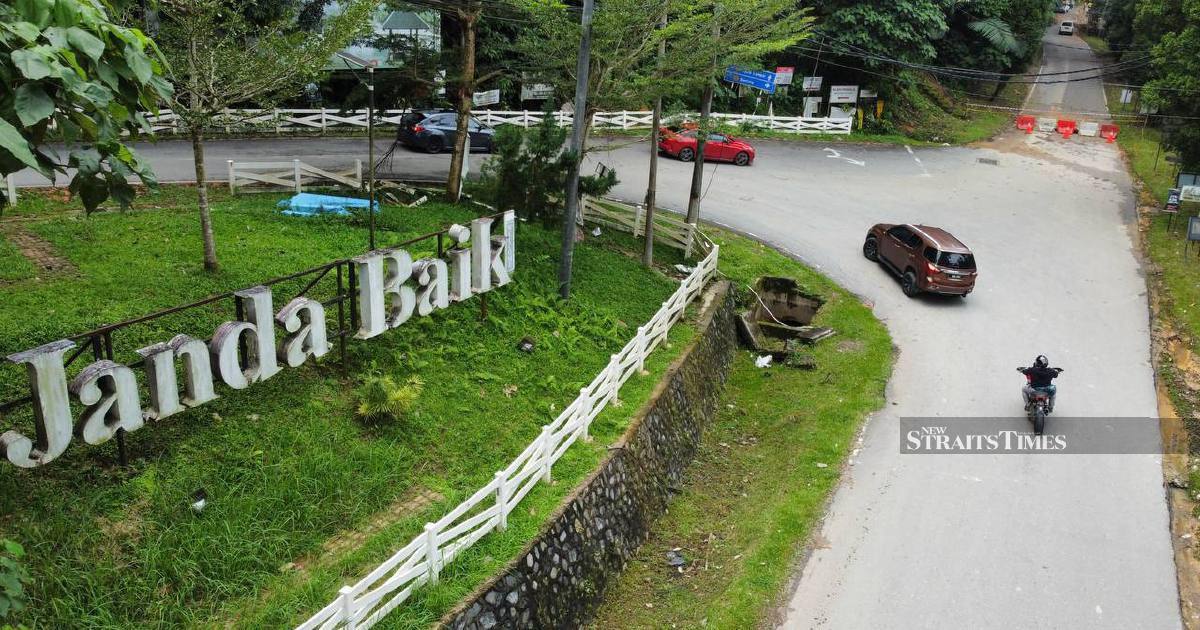
Pahang's Department of Health has launched a formal investigation into allegations that numerous visitors became ill following a recreational visit to a river near Bentong. The probe comes amid growing concern about water quality and public health standards at popular leisure destinations across the state, particularly as school holidays and weekend tourism continue to drive visitor numbers to such venues.
The incident, which unfolded at the Janda Baik river recreational area, has prompted health authorities to examine potential contamination sources and assess whether the illnesses reported by visitors were indeed linked to water exposure or consumption. Janda Baik has long served as a popular weekend destination for families and tourists seeking outdoor recreation near the Klang Valley and surrounding regions, capitalising on its reputation for natural attractions and river activities.
Water-related illness outbreaks in Malaysian recreational areas have become an intermittent concern, typically emerging during peak tourism seasons when increased visitor volumes coincide with inadequate sanitation infrastructure or monitoring. The current investigation represents part of a broader pattern of health scrutiny on recreational sites across Pahang, where balancing tourism promotion with public health protection remains an ongoing challenge for state authorities.
The Pahang Health Department's decision to conduct a formal probe indicates the seriousness with which officials are treating the matter. Such investigations typically involve water sampling, epidemiological interviews with affected individuals, and assessments of hygiene facilities at the recreational venue. Health officials will likely seek to determine whether the outbreak was caused by bacterial contamination, parasitic organisms, chemical pollutants, or other hazardous substances present in the water.
For tourists and local residents who frequent Janda Baik and similar river destinations throughout Pahang, the investigation underscores the importance of understanding potential health risks associated with natural water bodies. Unlike chlorinated swimming pools or controlled bathing facilities, river environments present multiple exposure pathways for waterborne pathogens and contaminants, particularly during or immediately following heavy rainfall or seasonal flooding events that may affect water quality.
The timing of this incident carries significance for Pahang's tourism sector, which relies substantially on the appeal of natural attractions and outdoor leisure activities to draw visitors from within and beyond Malaysia. Any documented health risks at popular destinations can rapidly affect visitor confidence and bookings, particularly if word spreads through social media platforms where health concerns gain amplified reach among potential tourists. The state government will need to balance transparent communication about health investigations with efforts to protect Pahang's reputation as a safe tourism destination.
Authorities may also examine whether existing advisory systems adequately inform visitors about water conditions and potential risks before they engage in bathing or water contact activities. Many popular recreational rivers in Malaysia lack formal signage indicating water quality assessments, current health advisories, or specific hazards that visitors should consider before entering the water. Improving information systems could help reduce preventable illness incidents while maintaining the accessibility and appeal of these natural amenities.
The investigation's findings may have implications for how Pahang manages and monitors other recreational water venues throughout the state. If systematic contamination issues are identified, authorities might implement enhanced testing protocols, improved sanitation infrastructure, or visitor capacity management strategies to mitigate health risks. Conversely, if individual factors specific to this incident are uncovered, recommendations could remain more narrowly focused.
Beyond Pahang, this incident contributes to broader discussions within Malaysia's public health sector about environmental contamination and recreational water safety. The Klang Valley, Selangor, and other densely populated regions have experienced periodic water quality concerns affecting both recreational and drinking water supplies, highlighting the vulnerability of water systems to various contamination sources including agricultural runoff, industrial discharge, and inadequate wastewater management.
Residents and potential visitors to the Janda Baik area should monitor official updates from the Pahang Health Department regarding the investigation's progress and any recommendations issued. Until authorities clarify water conditions and any lingering health risks, exercising precaution when engaging in water activities at the location remains prudent. Those who visited during the relevant period and subsequently experienced gastrointestinal distress or other symptoms should consider reporting their experiences to health authorities to support the investigation.
The investigation also presents an opportunity for the Pahang state government to demonstrate proactive governance in protecting public health whilst supporting the economic benefits that tourism generates for communities dependent on recreational attractions. Transparent communication of findings, coupled with any necessary remedial measures, can help restore confidence among both domestic and international visitors.