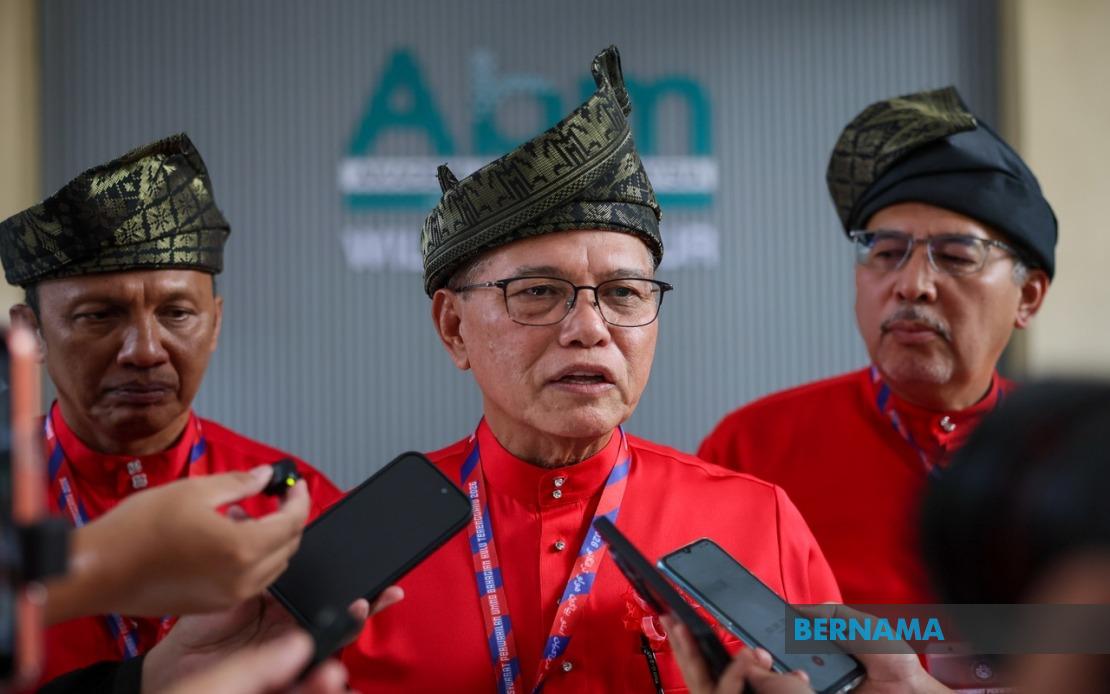
The Pahang State Government has substantially resolved a long-standing administrative challenge that has affected tens of thousands of Federal Land Development Authority (FELDA) settlers across the state. According to Menteri Besar Datuk Seri Wan Rosdy Wan Ismail, approximately 43,600 FELDA settlers in Pahang have now received their land titles, representing a 99.5 per cent completion rate of all pending applications. This near-total resolution marks a significant achievement in addressing land ownership documentation that had remained unfinished for many years, potentially affecting families' security and economic prospects across rural Pahang.
The remaining unresolved cases number just over 200 and are predominantly entangled in inheritance complications rather than administrative oversights. These situations typically involve multiple claimants, disputed succession arrangements, or unclear family arrangements that require careful legal resolution. Wan Rosdy expressed confidence that even these lingering matters would be finalised before the year concludes, suggesting the state administration has allocated specific resources and expertise to untangle the final batch of problematic cases. This methodical approach to the remaining inheritance disputes reflects an understanding that rushing these resolutions could create fresh legal disputes rather than permanently settling the question of land ownership.
The issue of land title security among FELDA settlers carries particular weight in Malaysia's rural development context. FELDA itself was established decades ago as a cornerstone institution for redistributing land and economic opportunity to rural populations, but the complex bureaucratic processes involved in issuing formal title documents have frequently lagged behind the actual settlement and occupation of land. For families living on FELDA schemes without clear formal title, the inability to use land as collateral for loans, to confidently pass holdings to children, or to have unambiguous legal standing has created genuine hardship and uncertainty across generations.
Wan Rosdy's comments emphasise that resolving these land ownership matters falls squarely within the state government's welfare responsibilities toward FELDA communities. He framed the initiative as a direct response to the rights and futures of settler families, acknowledging that clear land title is foundational to economic security and social stability in agricultural communities. This positioning suggests that other state governments might similarly prioritise title resolution as a measure of their commitment to rural constituencies and land-dependent populations, potentially establishing a precedent for accelerated land documentation programmes elsewhere.
Pahang's progress on this file also appears competitive with other major FELDA states. Johor, which contains another significant concentration of FELDA schemes, has separately issued between 14,000 and 16,000 land titles to its settlers. While Johor's absolute numbers are smaller than Pahang's, the comparison indicates that multiple state governments are simultaneously tackling this backlog, suggesting either pressure from affected communities or coordinated policy direction from federal level. The variation in total settler populations between states reflects the different scales of FELDA development schemes historically established in each jurisdiction.
Beyond the immediate land title question, the Pahang administration is simultaneously addressing the needs of second-generation FELDA settler families. Having approved approximately 16,000 housing plots, the state is attempting to ensure that children and grandchildren of original FELDA beneficiaries are not excluded from land ownership opportunities as plot sizes and family structures change across generations. This forward-looking dimension suggests recognition that resolving historical title issues is necessary but insufficient if subsequent generations face housing and land access constraints. Second-generation settlers typically lack the formal allocation that their parents received and must navigate commercial land markets or state assistance schemes, a transition that can disadvantage families without capital reserves.
The approval of 16,000 housing lots represents a substantial commitment of state resources and land administration capacity. Whether these plots will be allocated through formal tender, community selection processes, or other mechanisms remains unclear from available information, but the scale suggests a deliberate effort to prevent the second generation from becoming economically marginalised relative to their parents' FELDA-supported status. This initiative also addresses potential political risks associated with rural discontent; ensuring visible opportunities for younger rural families serves both welfare and electoral stability functions in state politics.
The timing of these announcements, made during a state-level UMNO division meeting, underscores the political salience of FELDA settler welfare within Pahang's electoral calculus. FELDA communities have historically constituted reliable voting blocs for UMNO, and their concerns about land security and economic opportunity directly influence support patterns in rural constituencies. By highlighting administrative progress and future resource commitments, the state leadership signals responsiveness to key constituent groups, particularly important in maintaining coalition cohesion during periods of national political uncertainty.
From a broader Southeast Asian perspective, Pahang's experience with FELDA land title completion reflects challenges common across the region's agricultural development schemes. Many countries have created rural settlement programmes that have subsequently struggled with documentation and formalisation, creating decades-long gaps between occupation and legal recognition. Malaysia's approach of systematically working through a massive backlog offers insights into what sustained administrative commitment to land formalisation might achieve, though the concentration of remaining cases in inheritance matters suggests that technical solutions have limits when family and succession law complexities intervene.
The near-completion status also raises questions about what happens once title issues are formally resolved. With clear legal ownership established, FELDA settlers gain enhanced leverage in negotiations with development authorities, lending institutions, and family members, but they also lose some protective status they may have enjoyed under FELDA's paternalistic framework. Ensuring that elderly settlers and their families understand their new responsibilities as formal landowners will likely require continued state support and education efforts beyond the mere issuance of title documents.
For Malaysian policymakers beyond Pahang, this experience demonstrates that large-scale land title backlogs, while administratively daunting, are ultimately addressable through sustained effort and resource allocation. The key appears to be separating straightforward cases from complicated ones early in the process and dedicating specialist attention to inheritance and family law dimensions. Whether other states will adopt similar systematic approaches to their own land administration challenges remains to be seen, but Pahang's progress provides a working model for tackling rural land insecurity that has persisted across multiple decades and administrations.

