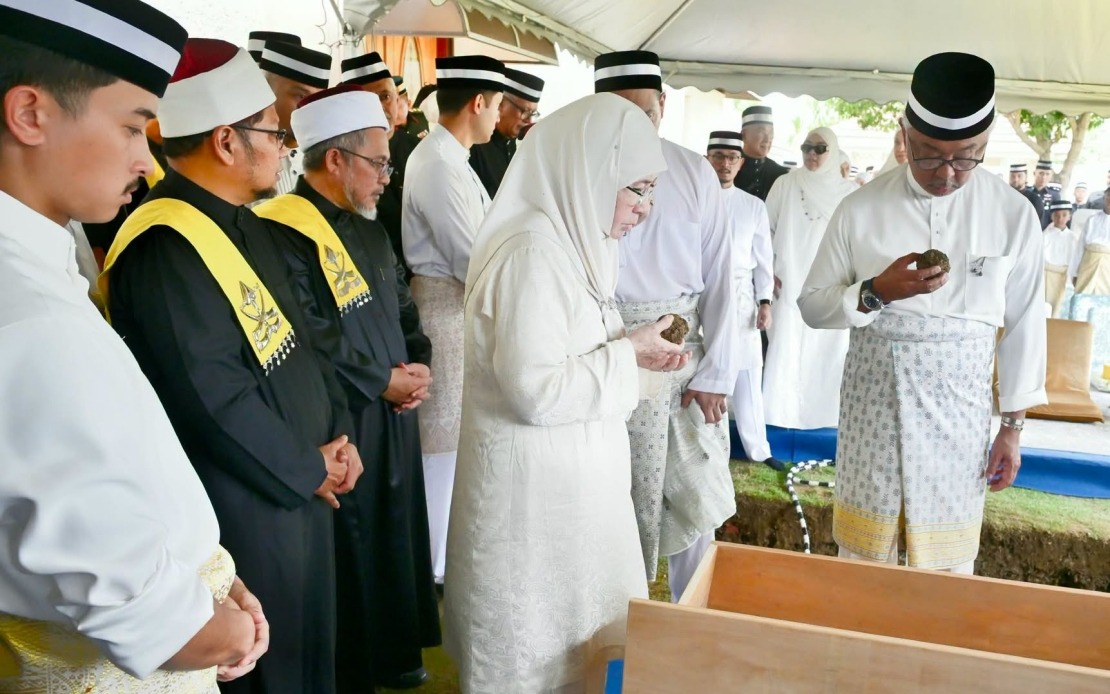
The Pahang royal household has been placed in a state of mourning following the death of Tengku Puteri Seri Kemala Tengku Datuk Seri Aishah, elder sister to Sultan Al-Sultan Abdullah Ri'ayatuddin Al-Mustafa Billah Shah. The Sultan has directed members of the royal family to observe a solemn three-day period of remembrance, reflecting the deep sense of loss felt across the principality's most senior institution.
According to Maj Gen Datuk Mohamed Zahari Yahya, Comptroller of the Royal Household of the Sultan of Pahang, the mourning period commenced on the day of the announcement and will extend through Saturday. This formal observance represents the royal family's public expression of grief and marks a moment of collective reflection within Pahang's palace circles. The prescribed timeframe allows the household to pay appropriate respects whilst managing state affairs during this sensitive period.
The court has established specific protocols to govern the family's conduct during this period. Members of the Pahang royal family are required to observe dress codes befitting the solemnity of the occasion, with all family members wearing white garments as a symbol of mourning. Male members of the household have been instructed to don additional formal attire consistent with royal mourning traditions. These sartorial requirements serve both to honour the deceased and to signal to the public the significance of her passing within the royal lineage.
The death represents a particularly poignant loss for the reigning Sultan and his consort, Tengku Ampuan of Pahang Tunku Azizah Aminah Maimunah Iskandariah. As the elder sister, Tengku Puteri would have held considerable standing within the household and may have wielded influence across family affairs and protocol matters. Her passing removes a senior member of the generation that predates the current Sultan's reign, marking the transition of family dynamics within Pahang's palace establishment.
Tengku Puteri Seri Kemala Tengku Datuk Seri Aishah passed away at a Kuala Lumpur hospital at 9:15 pm on Wednesday evening. The circumstances surrounding her final illness remain unpublished, as is customary with matters concerning the royal family's private affairs. The progression from hospitalisation to death was relatively swift, suggesting a medical condition of some severity, though official channels have maintained discretion regarding clinical details.
Following her death, the body was conveyed to the Royal Mausoleum in Pekan, where interment took place on the afternoon following her passing. Pekan, as the historic seat of Pahang's sultanate, serves as the traditional resting place for members of the royal family. The decision to lay her to rest in this sacred location underscores her significance within the royal lineage and provides the family with a place of remembrance within the state capital.
The Comptroller's statement extends the mourning observance beyond the immediate royal household to encompass the broader Pahang community. Citizens of the state have been urged to recite Al-Fatihah and offer prayers for the deceased's soul, inviting public participation in the collective spiritual acknowledgement of her passing. This outreach reflects the interconnectedness of the monarchy with the people it serves and represents an opportunity for Pahangites to express solidarity with their ruler during a period of personal loss.
Within Malaysian royal protocol, such formal mourning periods serve multiple functions beyond emotional expression. They provide the household with structured time to manage succession considerations, review family governance matters, and allow senior members to reorient their responsibilities in light of changed circumstances. For the Sultan and his immediate circle, this three-day window represents both a private grieving process and an institutional adjustment to altered family configurations.
The death of Tengku Puteri Seri Kemala comes at a time when Malaysia's royal families continue to play significant roles in national affairs. As senior members of their respective state institutions, such figures contribute to the continuity and stability of Malaysia's constitutional monarchy system. The passing of elder generation royals often prompts reflection on succession planning and the transmission of historical memory and family wisdom to younger heirs.
For observers of Malaysian royal affairs, the incident highlights the continuing relevance of palace protocols in contemporary society. Even as Malaysia modernises, the ceremonial and spiritual dimensions of royal observance remain deeply embedded in the cultural and institutional fabric. The three-day mourning period, with its prescribed dress codes and spiritual invitations to the wider community, demonstrates how tradition continues to shape the expression of grief within Malaysia's most prominent institutions, maintaining continuity with historical practices whilst remaining responsive to modern sensibilities.

