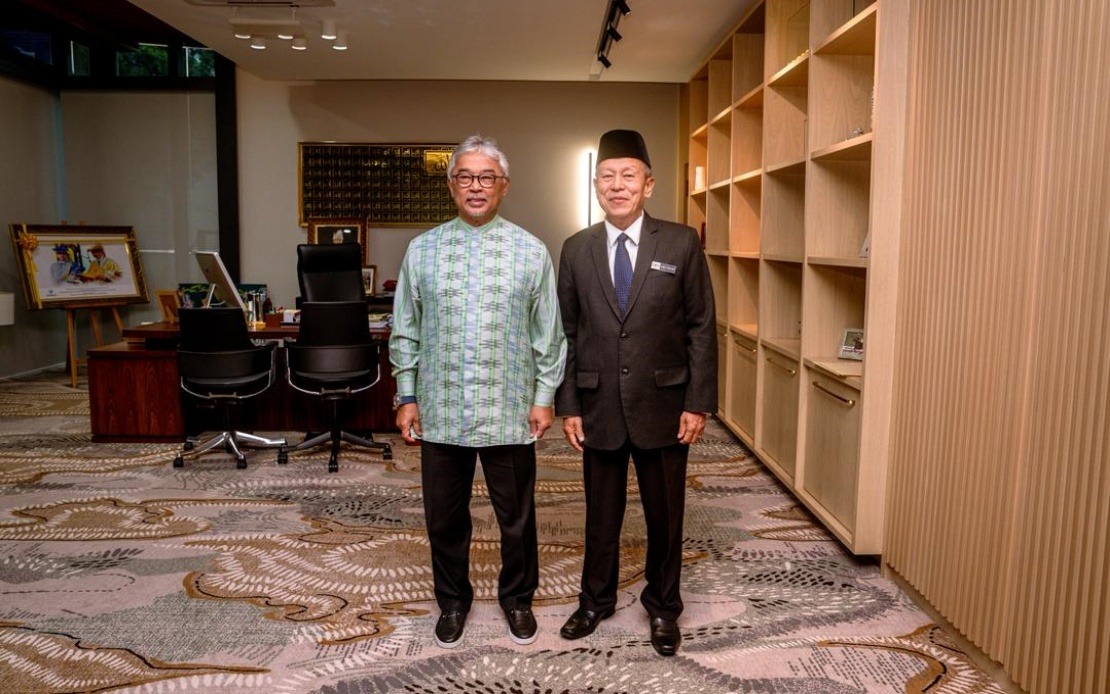
The Sultan of Pahang, Al-Sultan Abdullah Ri'ayatuddin Al-Mustafa Billah Shah, met with Malaysian Anti-Corruption Commission chief commissioner Datuk Seri Abd Halim Aman at Shahzan House in Ampang yesterday, signalling continued royal engagement with the country's premier anti-graft agency. The hour-long session underscored the monarchy's interest in overseeing institutional efforts to strengthen governance standards across Malaysia's public and private sectors.
During the audience, the MACC presented a comprehensive overview of its operational initiatives and recent accomplishments in the anti-corruption space. The briefing covered the commission's strategic direction, enforcement activities, and the institutional reforms being pursued to enhance the agency's effectiveness in pursuing cases of misconduct and financial irregularities throughout government ministries, agencies, and state governments.
Beyond operational updates, the discussions encompassed broader questions of governance quality and public accountability. The meeting touched upon systemic approaches to preventing corruption before investigations become necessary, reflecting an evolving understanding within Malaysia's anti-corruption framework that prevention and institutional strengthening matter as much as enforcement action. This preventive angle has gained prominence internationally, with countries increasingly recognizing that strong systems, transparent procurement processes, and clear ethical guidelines can deter misconduct more effectively than reactive investigation alone.
The MACC highlighted its current initiatives aimed at restoring public confidence in the enforcement agency itself. Trust in anti-corruption bodies globally has proven fragile; public perception of fairness, impartiality, and effectiveness shapes whether citizens report breaches and whether witnesses cooperate with investigations. Malaysia has faced periodic questions about the MACC's independence and consistency, making efforts to demonstrate its institutional integrity particularly important for operational success and public buy-in.
The royal audience carried symbolic weight within Malaysia's constitutional framework. The Sultan, as head of state in Pahang and a member of the Conference of Rulers, holds custodial responsibility for standards of governance and propriety within the state administration. Meeting directly with the MACC chief allowed the Sultan to assess the commission's progress firsthand and signal to the public service that corruption prevention commands attention at the highest institutional levels.
Datuk Seri Abd Halim responded by expressing gratitude for the audience and for Al-Sultan Abdullah's demonstrated commitment to the anti-corruption mandate. The chief commissioner acknowledged the Sultan's ongoing support for MACC operations and reiterated that the commission remains focused on pursuing integrity-based governance throughout Malaysia. Such public acknowledgement of royal backing carries practical importance, as it reinforces the commission's institutional standing and may encourage officials to take compliance more seriously.
The emphasis on transparent and accountable governance in the meeting reflects Malaysia's international commitments. As a United Nations Convention Against Corruption signatory, Malaysia has committed to establishing independent anti-corruption bodies and implementing systems to prevent misconduct. The royal engagement documented in this audience suggests that constitutional leadership in Malaysia views these commitments seriously and intends to support institutional mechanisms designed to fulfil them.
The timing of the meeting also merits consideration within Malaysia's broader political context. After several years of transitions in political leadership and public administration, efforts to reinforce institutional authority and demonstrate commitment to anti-corruption standards carry weight in rebuilding confidence in governance. The audience demonstrates that royal institutions, which command broad respect across Malaysia's multicultural society, remain invested in supporting the institutional infrastructure for combating corruption.
For Southeast Asia more broadly, the engagement between Malaysia's Sultan and the MACC exemplifies how constitutional monarchies can support anti-corruption institutions without compromising their political neutrality. In Thailand, Myanmar, Cambodia, and other regional monarchies, the question of how royal institutions relate to anti-corruption efforts remains contested. Malaysia's approach, wherein the Sultan provides visible support while the MACC maintains operational independence, offers a model worth examining for other constitutional monarchies navigating similar tensions.
The MACC's continued focus on public confidence and governance quality suggests the agency recognizes that anti-corruption work extends beyond individual prosecutions. Building institutional capacity, establishing clear ethical standards, and ensuring fair and consistent enforcement represent long-term investments in Malaysia's governance architecture. The royal audience, by providing visibility to these efforts, helps position anti-corruption work as a matter of sustained national importance rather than a cyclical political response to specific scandals.

