Pakatan Harapan is preparing to wage a multi-channel campaign offensive across Johor ahead of the 16th State Election, merging traditional grassroots mobilization with digital communication tools to maximize penetration across demographic and geographic segments. The coalition's strategy represents a calculated effort to capture voter attention in an era where electoral success increasingly depends on simultaneous presence in both physical constituencies and online spaces, with campaign launches scheduled to commence immediately after the nomination process concludes.
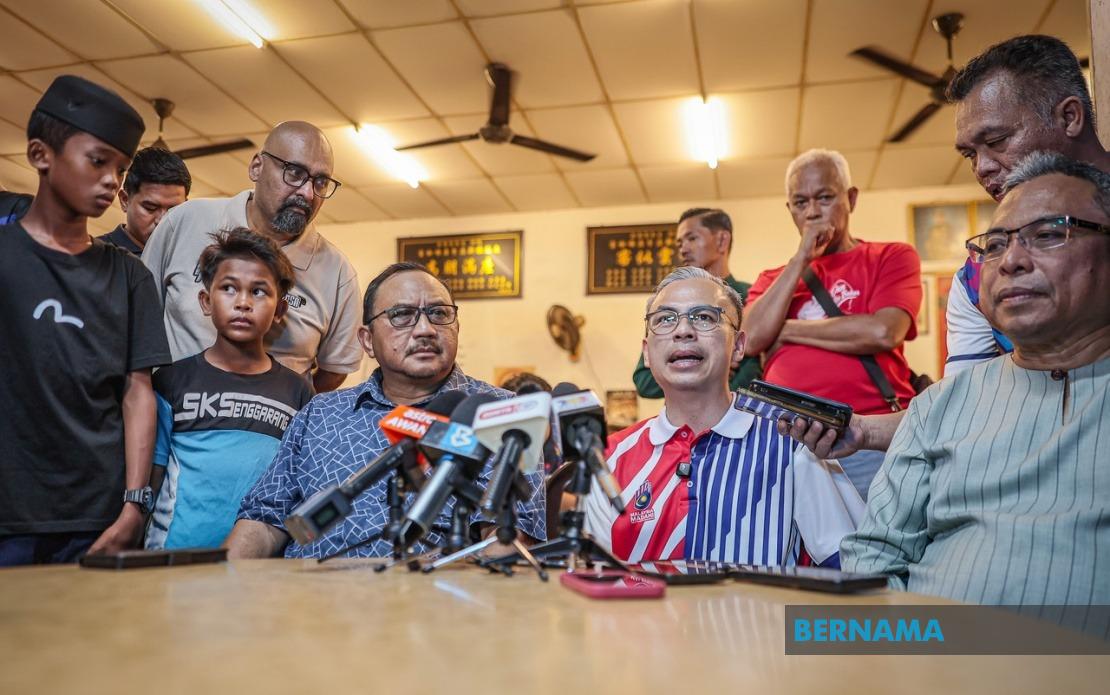
PH Communications Director and Minister Datuk Fahmi Fadzil outlined the coalition's approach during a press engagement in Batu Pahat, emphasizing that the integrated strategy seeks to disseminate the coalition's policy platform comprehensively across all strata of society. The emphasis on multi-platform messaging reflects recognition that Malaysian voters—particularly in urbanized Johor constituencies—increasingly consume political information through diverse channels ranging from neighborhood ceramah sessions to WhatsApp groups and Facebook discussions. By maintaining presence across both domains simultaneously, PH aims to reinforce messaging consistency while adapting content to suit the communication preferences of different voter segments.
PKR, the coalition's largest participating component, will field 20 candidates across the state and intends to activate campaign machinery swiftly once nomination deadlines pass. Fahmi personally committed to leading campaign activities in Senggarang, while senior party leadership including PKR Deputy President Nurul Izzah Anwar will provide visible support to candidates in contested constituencies. This senior-level engagement signals organizational commitment and seeks to generate momentum during the crucial initial campaign phase, when voter attention tends to be highest before fatigue sets in during extended election cycles.
The coalition has established dedicated media infrastructure specifically designed for rapid information distribution concerning PH candidates and policy positions. Rather than relying solely on traditional party channels or sympathetic media outlets, this formalized media apparatus provides direct communication pathways to voters, enabling PH to control narrative framing and respond quickly to opponent claims. In contemporary Malaysian electoral contests where social media criticism can escalate rapidly, this institutional capacity for swift response carries genuine strategic importance.
Fahmi elevated fact-based communication as a cornerstone principle for PH's election period activities, framing accurate information provision as both an ethical obligation and strategic advantage. The positioning reflects apparent calculation that PH benefits electorally from emphasis on documentary evidence and verifiable claims, potentially contrasting this approach with opponent messaging strategies. This rhetorical emphasis on factuality serves multiple purposes: establishing moral authority, appealing to education-conscious voters, and potentially delegitimizing competitor narratives deemed exaggerated or misleading.
The coalition's campaign messaging prominently features cooperative development achievements between the federal PH administration and Johor state government. Fahmi highlighted infrastructure projects including the Rapid Transit System Link and the Johor-Singapore Special Economic Zone as exemplars of what federal-state coordination can deliver, arguing such initiatives stimulate economic growth while reducing inter-district development inequality. For Malaysian voters, particularly those in economically disadvantaged areas, such tangible project delivery carries persuasive weight, as economic performance and infrastructure visibility directly affect daily lives.
PH explicitly invoked its governance record in three states—Selangor, Negeri Sembilan, and Penang—as evidence of organizational capability to execute promises and manage state administrations effectively. This comparative approach provides voters with reference points for evaluating PH's competence claims, suggesting that governance quality in other states demonstrates what PH can accomplish in Johor. The strategy acknowledges that Malaysian voters increasingly evaluate parties based on demonstrated administrative performance rather than rhetorical appeals alone.
Candidate selection appears strategically calibrated to leverage recognizable figures with established credentials. The nomination of Dr Maszlee Malik and Onn Abu Bakar represents deployment of candidates with prior public visibility and policy profiles, suggesting PH anticipates their recognition will generate electoral traction. For voters evaluating unfamiliar candidates, association with established political personalities can provide necessary reassurance regarding candidate quality and commitment.
The coalition plans to introduce a comprehensive state-specific manifesto addressing Johor constituencies' distinct priorities and concerns. This localized policy document strategy recognizes that state-level electorates respond to issue priorities distinct from national concerns, requiring tailored messaging that demonstrates understanding of Johor-specific economic, infrastructural, and social challenges. Manifesto release timing will likely coincide with campaign momentum-building moments to maximize media attention and voter engagement.
National authorities have assembled a coordinated task force encompassing the Malaysian Communications and Multimedia Commission, Election Commission, Royal Malaysia Police, and Malaysian Media Council specifically to combat misinformation during the election period. This multi-agency approach addresses recognized vulnerability to false information campaigns that can distort electoral competition, particularly through social media channels where verification mechanisms remain weak. For Malaysian voters, institutional commitment to misinformation suppression potentially enhances confidence that election-period information environments will remain relatively reliable.
PH's campaign strategy reflects broader recognition within Malaysian politics that contemporary electoral success requires sophisticated integration of traditional and digital engagement methods. The coalition's explicit commitment to grassroots activation combined with social media infrastructure demonstrates understanding that no single communication channel suffices for comprehensive voter reach. By simultaneously maintaining presence in community spaces and online platforms, PH seeks to establish ubiquity in voters' information environments—a calculated effort to shape electoral consciousness across Johor's diverse constituencies.

