Pakatan Harapan has signalled it stands ready to face whatever political configurations its rivals may adopt in the forthcoming Negeri Sembilan state election, including the possibility of deepened cooperation between Barisan Nasional and Perikatan Nasional. The coalition's confidence stems from lessons learned in previous state contests, most notably the Johor elections, where similar tactical alliances have been tested and scrutinised by voters.
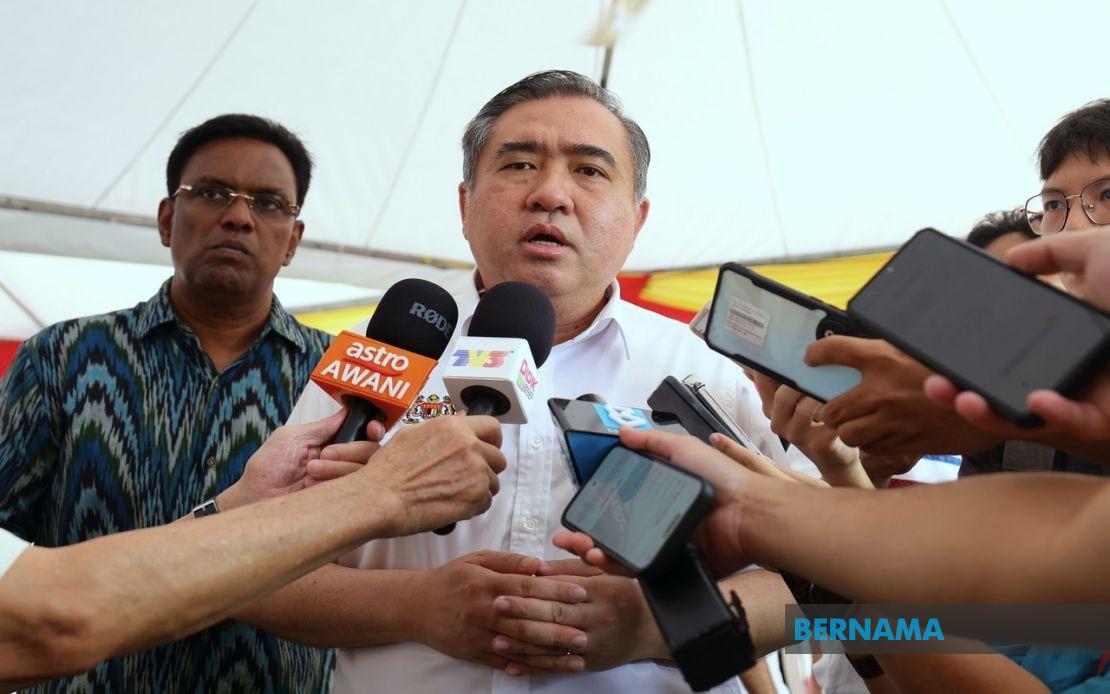
DAP secretary-general Anthony Loke articulated this readiness while addressing reporters in Seremban on July 16, emphasising that Pakatan Harapan would not be destabilised by anticipated moves from competing political blocs. Rather than expending energy on counter-strategies to potential BN-PN coordination, Loke stressed that the ruling coalition would concentrate on consolidating its own electoral machinery and messaging. This represents a deliberate strategic shift towards playing to internal strengths rather than remaining reactive to opposition manoeuvres, a posture increasingly adopted by incumbent coalitions across Southeast Asia facing fragmented opposition landscapes.
The crux of Pakatan Harapan's competitive advantage, according to Loke, lies in fortifying the bonds between its constituent parties. In Malaysian politics, where coalition cohesion often determines electoral outcomes, the preservation of unity among component parties represents both a practical necessity and a potent campaign message. Loke articulated that securing victories in the seats where Pakatan Harapan fields candidates depends fundamentally on demonstrating solidarity and coordinated purpose, suggesting that internal fragmentation poses a greater threat than external opposition tactics.
When queried about reports of seat-sharing negotiations and allocation strategies emerging from talks between Barisan Nasional and PAS, Loke adopted a measured tone, acknowledging that rival coalitions had made their strategic choices but refraining from detailed commentary on their specific arrangements. This circumspection reflects a broader calculation that dignifying opposition tactics with extensive analysis risks elevating their perceived legitimacy while diverting attention from Pakatan Harapan's own agenda. The implicit message—that voters ultimately decide elections rather than backroom political engineering—places the onus of persuasion on campaign performance and governance delivery.
Concerns about potential Chinese voter migration toward opposition parties, particularly the Malaysian Chinese Association, were similarly met with philosophical restraint from Loke. Rather than dismissing such speculation as baseless or mounting defensive arguments, the DAP leader acknowledged the inherent volatility of electoral preferences while expressing confidence in Pakatan Harapan's capacity to mount a vigorous campaign. This approach avoids the trap of appearing panicked by demographic shifts while implicitly accepting that electoral support requires continuous earning through demonstrable governance outcomes.
The governance record of the Negeri Sembilan administration under Menteri Besar Datuk Seri Aminuddin Harun since 2018 emerges as Pakatan Harapan's primary asset in the election campaign. The coalition's strategy hinges on transforming nearly a decade of incumbency into a narrative of sustained development and effective stewardship. For Malaysian voters assessing coalition competence, the tangible record of infrastructure development, administrative efficiency, and policy implementation often carries greater weight than opposition promises of alternative governance. Loke's emphasis on this track record suggests Pakatan Harapan believes its governance achievements provide stronger electoral insurance than tactical responses to rival alliances.
The political turbulence in Melaka, where DAP withdrew from the state administration following disputes over nominated assembly member appointments, illustrated the complexity of coalition management that extends beyond Negeri Sembilan. Loke characterised the decision as final and definitive, indicating that the Melaka DAP's withdrawal reflected considered party positioning rather than reactive protest. The subsequent reconfiguration of the Melaka State Legislative Assembly's seating arrangements signalled institutional adjustment to the new political reality, suggesting that Pakatan Harapan leadership has accepted the consequences of intra-coalition disagreements and moved toward stabilising governance arrangements in affected states.
Simultaneously, Loke defended the MADANI Adopted Village initiative from suggestions that its timing and prominence reflected opportunistic campaign-adjacent programming. As Transport Minister overseeing the initiative, Loke clarified that the programme represents sustained ministerial commitment to rural infrastructure improvement since 2025, rather than seasonal electoral positioning. This defence assumes particular importance in Malaysian electoral contexts, where accusations of vote-buying through targeted development assistance carry significant rhetorical weight. By anchoring the initiative in long-term ministry programming cycles rather than election calendars, Loke sought to insulate the project from the appearance of political opportunism.
The selection of specific villages and schools in the Seremban area for inclusion in the MADANI programmes—Kampung Baru Mantin as a MADANI Adopted Village, Kampung Mantin Dalam under the Santuni MADANI programme, and Sekolah Jenis Kebangsaan Cina Chung Hua Mantin as a MADANI Adopted School—reflects deliberate targeting of constituencies where Pakatan Harapan contests seats. These selections simultaneously serve legitimate developmental purposes and serve campaign functions, illustrating how incumbent coalitions navigate the blurred boundaries between governance and electoral activity in Malaysian politics.
The broader context for this election includes escalating sophistication in opposition coordination mechanisms. Unlike past contests where Barisan Nasional and Perikatan Nasional operated as distinct competitors, contemporary state elections increasingly feature formal or informal seat-sharing arrangements designed to maximise opposition representation while minimising vote fragmentation. Negeri Sembilan represents a testing ground for such coordination strategies, particularly regarding how effectively BN-PN cooperation can translate into measurable electoral gains against an incumbent coalition backed by governance records and institutional advantages.
For Southeast Asian observers tracking Malaysian electoral dynamics, Negeri Sembilan illustrates evolving patterns of incumbent resilience and opposition coalition-building. Pakatan Harapan's calculated indifference to opposition tactical manoeuvrings reflects confidence in its foundational political position, though such confidence invites scrutiny regarding whether incumbent assumptions about voter behaviour adequately account for emerging dissatisfaction across different demographic segments. The election will test whether consolidated incumbency advantages outweigh opposition coordination gains in a state where the governing coalition has substantial institutional resources and administrative credibility.

