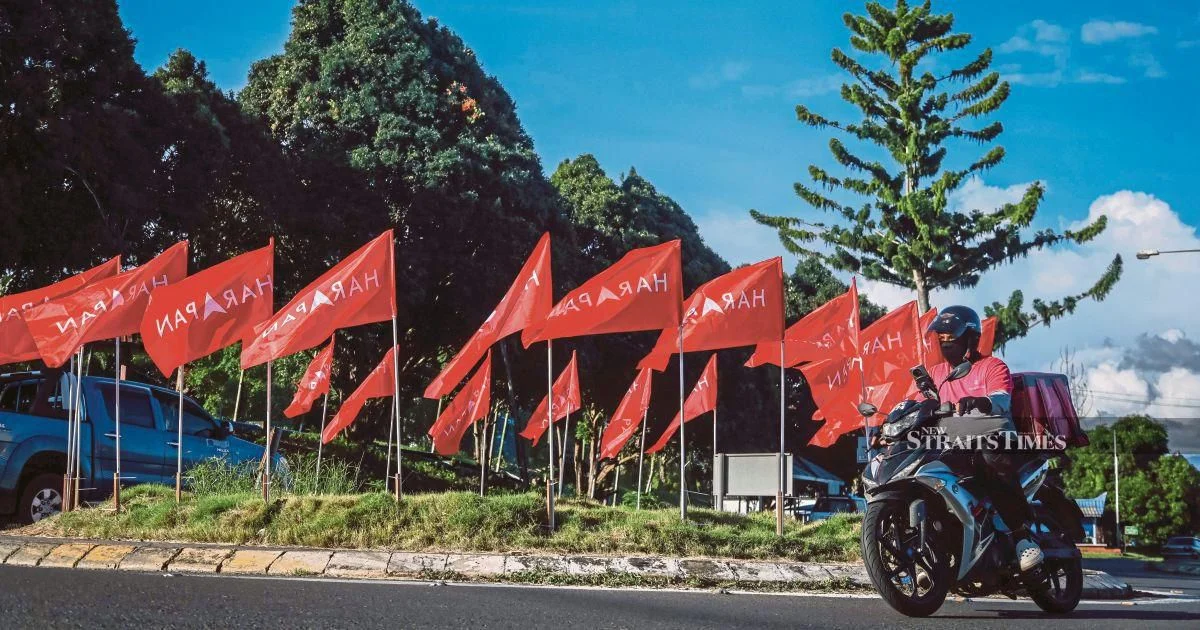
The Pakatan Harapan coalition is holding firm against external pressure to prematurely announce its menteri besar candidate for the 16th Johor state election, choosing instead to maintain strategic flexibility as it approaches the contest. Senior figures within the opposition bloc have made clear their position that timing such a declaration should remain within the coalition's control, rather than determined by rival political forces seeking to frame the narrative ahead of polling day.
Johor's electoral significance within Malaysia's political landscape cannot be understated. As the nation's second-largest state by population and a traditional political battleground, control of the state government carries implications well beyond its borders. The leadership decision has historically influenced political momentum in other states, making the composition and direction of Johor's government a closely watched indicator of broader shifts in voter sentiment across the country.
The coalition's measured approach reflects lessons learned from previous electoral contests where the opposition faced criticism for appearing reactive to external agitation. By maintaining discretion over the timing and identity of its chosen menteri besar candidate, Pakatan Harapan seeks to project confidence in its position while preventing rivals from dictating the election's narrative framework. This strategy allows the coalition to introduce its candidate when internal consensus is solidified and party machinery is fully mobilized to support the announcement.
Political analysts note that the delay also permits the coalition to assess ground sentiment more comprehensively as the election date approaches. Naming a candidate too early risks that individual becoming a lightning rod for criticism and opposition attacks over an extended campaign period. Conversely, delaying announcement until closer to polling day concentrates public focus on the candidate's agenda and vision, rather than allowing time for sustained character scrutiny.
Rivalries within Pakatan Harapan itself may necessitate the coalition's patience in making this decision. The bloc comprises parties with distinct regional strongholds and ideological orientations, each with legitimate claims to the position. Finding consensus around a single menteri besar candidate requires careful negotiation among component parties to maintain unity while respecting power-sharing arrangements established at the coalition level.
The broader political context in Johor remains fluid. The state has experienced significant political realignment in recent years, with voter loyalty patterns shifting as national political developments reshape local political dynamics. Understanding which candidate configuration might best resonate with this changing electorate requires time for proper evaluation and strategy refinement rather than hasty declarations.
For Malaysian observers, the situation underscores how state elections increasingly serve as microcosms of national political competition. The identity of the next Johor menteri besar will influence coalition dynamics not only within Johor but potentially across multiple states. The candidate's background, ethnicity, religious affiliation, and geographic origin will all carry symbolic weight, particularly given the state's demographic composition and its positioning as politically pivotal.
Packatan Harapan's resolute stance on this matter also demonstrates the coalition's determination to avoid repeating past vulnerabilities where opposition forces appeared indecisive or internally fractured during crucial electoral moments. By projecting calm confidence and maintaining control over its own timeline, the coalition aims to convey organizational strength and readiness to govern, qualities voters assess when considering which political force deserves their mandate.
The coming weeks will likely see intensifying speculation about potential candidates as the election date draws nearer. Opposition rivals will undoubtedly continue pressing for early announcements, hoping to provoke the coalition into either premature declarations they might later regret or visible internal disputes over the selection process. Pakatan Harapan's challenge lies in remaining methodical and strategic while managing such external provocations without appearing evasive or disorganized to the electorate.
Ultimately, the coalition's approach reflects a fundamental calculation: that commanding the timing of candidate announcement carries greater strategic value than yielding to external pressure, however persistent. In Malaysian politics, where perception often proves as influential as substance, demonstrating organizational discipline and political savvy during the pre-election phase establishes important foundations for the broader campaign ahead. For Johor voters, the coalition's eventual candidate announcement will come laden with significance, representing not merely one individual but the coalition's strategic confidence and internal coherence as it seeks to capture the state.

