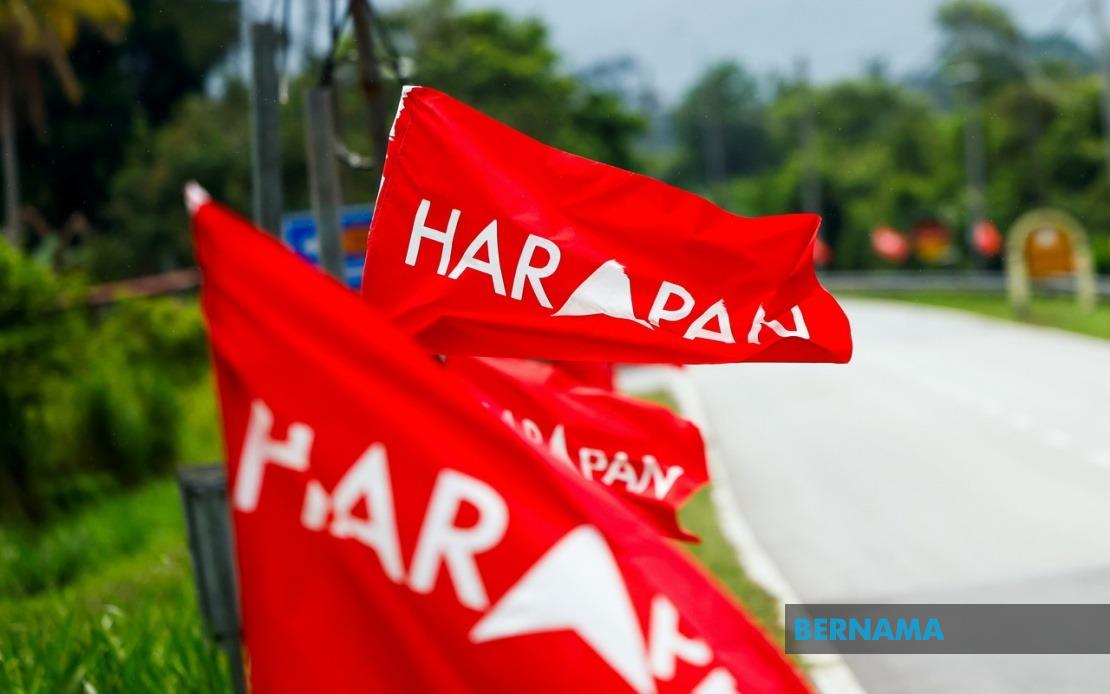
Pakatan Harapan is preparing to unveil its campaign platform for Negeri Sembilan's 16th state election, marking a critical moment as the coalition seeks to retain control of the state assembly. The manifesto launch, scheduled to take place on the evening of July 20, will represent the party's formal pitch to voters ahead of polling day on August 1, setting the tone for the final phase of campaigning across the state.
According to Datuk Muhammad Zaki Md Sabri, the operations director of PH Negeri Sembilan, the manifesto has been meticulously constructed by the party's senior leadership to articulate a coherent vision for the state's future. The document will emphasise continuity rather than radical change, positioning PH as custodians of the prosperity and development trajectory that Negeri Sembilan has experienced since the coalition first secured power in 2018. This strategy reflects a broader pattern among incumbent administrations seeking re-election, grounded in the premise that voters reward stability and measurable progress.
The timing of the manifesto launch carries significance in Malaysia's political calendar. With early voting scheduled for July 28 and the main polling on August 1, PH has compressed its campaign window considerably. The manifesto unveiling represents a crucial opportunity to crystallise the party's messaging before a substantial segment of the electorate (comprising military personnel, their spouses, and police officers) cast their votes at designated early voting stations. This demographic of security personnel, numbering over 22,000 across the state, has historically demonstrated distinct voting patterns and may respond to themes of stability and institutional continuity.
The manifesto's emphasis on sustainable economic and social impact signals PH's intent to frame the election around bread-and-butter issues rather than ideological or constitutional matters. For Malaysian voters, particularly those in smaller states like Negeri Sembilan with populations around 850,000, concerns about employment opportunities, cost of living, infrastructure development, and educational provision typically dominate electoral calculations. By anchoring its platform in these tangible concerns, PH appears to be gambling that voters will prioritise concrete governance records over opposition rhetoric.
The state assembly dissolution on June 5 initiated a formal six-week campaign period, unusual in Malaysian electoral politics where snap elections can sometimes compress the timeframe dramatically. This extended window has allowed all contesting parties to build campaign machinery and reach voters systematically. Muhammad Zaki's satisfaction with logistics operations and positive voter response during the early campaigning stages suggests PH's ground presence remains robust, a significant advantage in state-level contests where local connections and community relationships often prove decisive.
Negeri Sembilan presents a distinctive electoral battleground. With 889,490 registered voters distributed across the state, the composition of the electorate reflects Malaysia's demographic patterns—urban concentrations in the Seremban corridor balanced against rural constituencies in areas like Jelebu and Kuala Pilah. The manifesto's content will need to address both the development aspirations of urban voters and the specific concerns of rural communities, a balancing act that has challenged incumbent state governments nationwide.
Muhammad Zaki's call for opposing parties to maintain healthy campaign momentum while avoiding provocation and sensitive subjects relating to religion, royalty, and race reveals the underlying tensions that persist in Malaysian state politics. This appeal for restraint underscores recognition that electoral campaigns can mobilise communal sentiments that, if left unchecked, damage social cohesion. For Negeri Sembilan, a state with significant Muslim and non-Muslim populations living in relative harmony, such appeals resonate with voter preferences for stability and measured political discourse.
The manifesto content will likely contain specific initiatives addressing Negeri Sembilan's particular economic circumstances. The state has diversified beyond its historical reliance on mining and agriculture, but manufacturing and services sectors require continuous investment and policy support. PH's ability to articulate concrete proposals for job creation, skills training, and sectoral development may substantially influence swing voters in constituencies where employment concerns predominate. The coalition will need to demonstrate not merely that it has governed competently since 2018, but that it possesses clear plans for accelerating economic opportunities in the coming term.
Infrastructure development typically features prominently in state-level election campaigns, and Negeri Sembilan is no exception. Road connectivity, public transport, water supply reliability, and broadband access remain contentious issues in various parts of the state. A comprehensive manifesto should address these infrastructure gaps with costed, timebound commitments rather than aspirational statements. Voters have grown increasingly sophisticated in distinguishing between genuine policy proposals and electoral rhetoric, particularly in urbanising states like Negeri Sembilan where education levels are rising.
The manifesto launch venue and invited leadership attendance, to be announced by the PH secretariat, will carry symbolic weight. Major attendance by federal-level PH leadership would signal national importance attached to retaining Negeri Sembilan, whereas primarily state-based officials might suggest PH is managing expectations or reserving senior leaders for more contested contests. The choice of venue—whether a formal auditorium suggesting sobriety and governance focus, or a campaign rally format emphasising grassroots energy—will communicate the tone PH wishes to establish for the final campaigning phase.
For Malaysian observers and the broader Southeast Asian region watching Malaysia's electoral dynamics, the Negeri Sembilan contest offers insights into how the country's political landscape is evolving. The coalition's manifesto, when unveiled, will indicate whether PH is seeking to claim credit for specific policy achievements or attempting to reposition itself around forward-looking themes. This choice reflects broader strategic questions about whether Malaysian voters are primarily satisfied with incumbent performance or hungry for new initiatives and reform.
The election itself carries implications extending beyond Negeri Sembilan's borders. The state's outcome will influence perceptions of PH's electoral viability ahead of potential national contests and will test whether the coalition can sustain voter support in a key peninsular state. A convincing PH victory would reinforce narratives about the stability of the post-2018 political transition, while an unexpected opposition surge would signal recalibration may be necessary. The manifesto unveiled on July 20 will thus represent more than campaign documentation—it will be a statement of PH's confidence in its governance record and vision for Malaysia's future.

