Pakistan and Iran have renewed diplomatic efforts to resurrect a vital transcontinental freight rail corridor that could fundamentally reshape regional trade patterns and economic integration across South Asia, the Middle East, and beyond. The two nations are pursuing the restoration of the Islamabad-Tehran-Istanbul service, a strategic transport link that once connected three countries and promised to create seamless cargo movement to Central Asia, Russia, and Europe. Officials from both governments discussed the initiative during meetings in Islamabad this week, signalling renewed commitment to overcoming the operational and logistical hurdles that derailed the service two years ago.
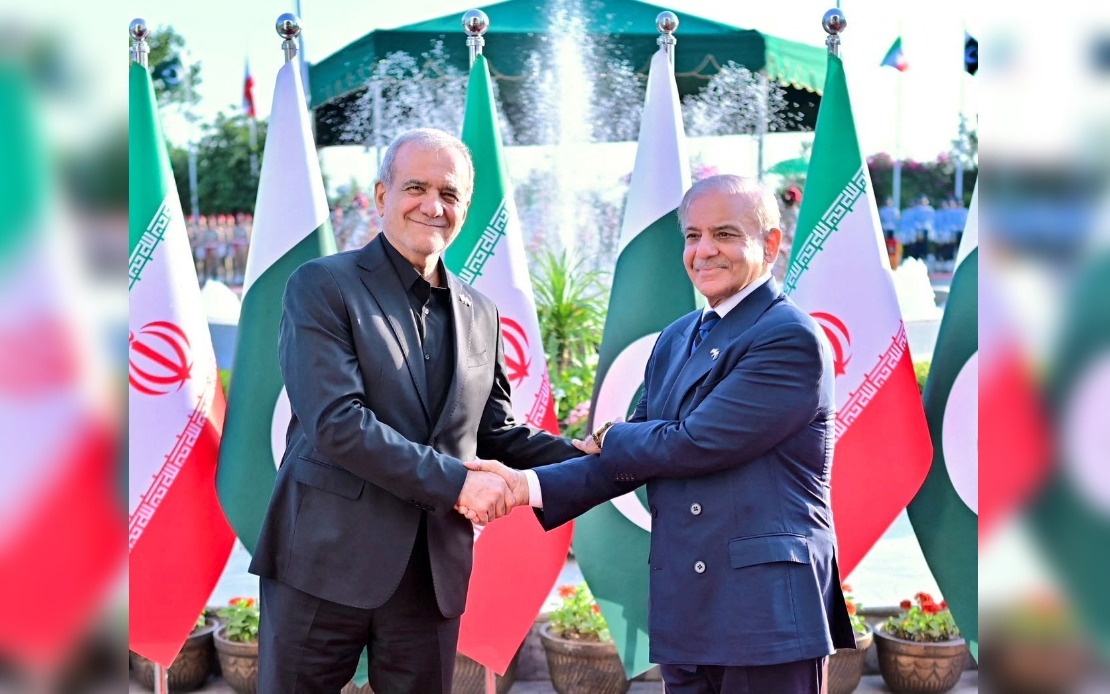
Pakistan's Railway Minister Muhammad Hanif Abbasi and Iranian Interior Minister Eskandar Momeni held substantive talks focused on bilateral railway cooperation and cross-border infrastructure development. According to Pakistani government statements, both delegations acknowledged that reactivating the ITI corridor represents a transformative opportunity for the region. The service would not merely connect three major trading nations but would establish an alternative gateway for landlocked Central Asian economies to access South Asian markets and ports, while simultaneously providing Pakistan and Iran with direct access to markets further north.
The historical context of the ITI service illustrates both the ambition and fragility of such regional initiatives. The freight train originally operated between the three capitals but fell dormant for a full decade before resuming operations in December 2021. That initial restart proved short-lived, however, with suspensions beginning in 2022 due to accumulated logistical challenges, operational inefficiencies, and unresolved coordination problems between the participating nations. The collapse highlights how ambitious regional connectivity projects require sustained political will, robust institutional frameworks, and meticulous attention to practical implementation details that often prove more daunting than the initial diplomatic agreements.
For Malaysian observers, the ITI corridor revival carries particular significance given Southeast Asia's own experience with cross-border transport initiatives. Malaysia and other ASEAN nations have pursued similar megaprojects connecting member states through railways and highways, encountering comparable obstacles around standardisation, funding, security, and competing national interests. The lessons from Pakistan and Iran's experience—both successes and failures—offer valuable insights as ASEAN continues developing the ASEAN Connectivity Master Plan and pursuing initiatives like the Singapore-Kunming Railway.
Pakistan's infrastructure modernisation programme forms the backbone of its strategy to make the corridor viable. The country is undertaking substantial upgrades to its Main Line-3, the crucial railway artery linking Sindh and Balochistan provinces and forming the principal connection with Iran. This upgrade project, scheduled for completion by December 2029, represents a considerable investment in capacity and reliability. Minister Abbasi indicated that construction should commence during the current fiscal year, suggesting tangible progress beyond the realm of diplomatic statements.
Iran has similarly committed to modernising its section of the transnational route. Officials announced that the Zahedan–Mirjaveh railway line should achieve completion of modernisation work within approximately one month. However, Iran has positioned Pakistan as the critical variable in the equation, formally urging Islamabad to expedite construction of the standard-gauge rail line running from Mirjaveh to Taftan in Balochistan. This segment represents the missing link preventing seamless cross-border train operations, and its completion remains essential to the entire corridor's functionality.
The technical challenge of gauge standardisation underscores a broader issue in regional rail connectivity. Many South Asian and Middle Eastern railways operate on different gauge systems, creating expensive and time-consuming transshipment requirements at borders. The ITI corridor's emphasis on standard-gauge rails reflects international best practices and would facilitate uninterrupted cargo movement, a crucial efficiency gain for commercial viability. For Malaysian shipping and logistics companies considering participation in this corridor, such technical standardisation will prove determinative in whether the route genuinely competes with existing maritime and air freight alternatives.
The geopolitical dimensions of the ITI revival warrant careful consideration. Pakistan and Iran, despite sharing a border and historical connections, have experienced periods of strained relations driven by sectarian tensions, security concerns, and divergent strategic alignments. Railway connectivity serves both economic and political purposes, potentially enhancing mutual dependence and dialogue. For countries seeking alternatives to dominant trade routes controlled by external powers, the ITI corridor represents sovereignty and strategic autonomy. Yet such politically-charged projects are vulnerable to rapid reversal if bilateral relations deteriorate.
The economic implications extend far beyond the three namesake nations. Central Asian republics, particularly those lacking direct maritime access, view such corridors as pathways to diversified trading relationships. Chinese Belt and Road Initiative projects have positioned themselves as primary developers of Central Asian connectivity, but the ITI corridor would offer an alternative pathway leveraging South Asian ports and Islamic world markets. This creates competitive dynamics that Malaysian policymakers should monitor, as regional connectivity patterns reshape investment flows and strategic alignments across Eurasia.
From a Malaysian perspective, the ITI corridor's success or failure contains lessons for ASEAN's ongoing efforts to deepen intra-regional integration and connections to external markets. The project demonstrates that infrastructure alone proves insufficient—sustainable regional connectivity requires coordinated tariff policies, harmonised regulatory standards, security protocols that facilitate rather than impede movement, and political commitment that survives changes in government. It equally illustrates how regional initiatives can create mutual vulnerabilities if one partner cannot or will not maintain its obligations.
The commercial appeal of restored ITI operations depends heavily on competitive pricing relative to alternatives. Maritime routes through the Suez Canal and around the Cape offer established infrastructure and multiple carriers. Central Asian shippers must weigh time savings and reduced transshipment costs against any security risks or operational uncertainties associated with an newly-revived corridor. Establishing reliable schedules and transparent pricing will prove essential to converting political agreement into genuine commercial activity.
Both Pakistan and Iran face significant financial constraints that could affect implementation timelines. Infrastructure projects routinely encounter delays beyond initial schedules, particularly in developing economies. The December 2029 deadline for Pakistan's Main Line-3 upgrades represents an ambitious target that external financing difficulties, security incidents, or technical complications could jeopardise. Malaysian companies evaluating participation in ITI-related supply chains should build considerable contingency into their planning.
Ultimately, the ITI corridor represents a test case for South Asian and Middle Eastern regional integration. Success would validate the premise that strategic infrastructure can overcome historical divisions and create compelling mutual interests in cooperation. Failure would reinforce perceptions that regional initiatives remain hostage to bilateral tensions and domestic political instability. For Malaysia and ASEAN, observing how Pakistan and Iran navigate these challenges offers practical insights into the prerequisites for sustainable cross-border regional development.

