Pakistan and Syria have signalled their intention to substantially deepen bilateral engagement across multiple sectors, seeking to convert decades of historical friendship into tangible modern cooperation. This strategic pivot became apparent during Syrian Foreign Minister Asaad Hassan Al Shaibani's high-profile visit to Islamabad, representing a significant diplomatic milestone given that nearly two decades have elapsed since a Syrian foreign minister last travelled to Pakistan. The timing of this engagement underscores both nations' interest in revitalising a relationship that has long existed but has remained relatively underdeveloped compared to their respective ties with other regional and global partners.
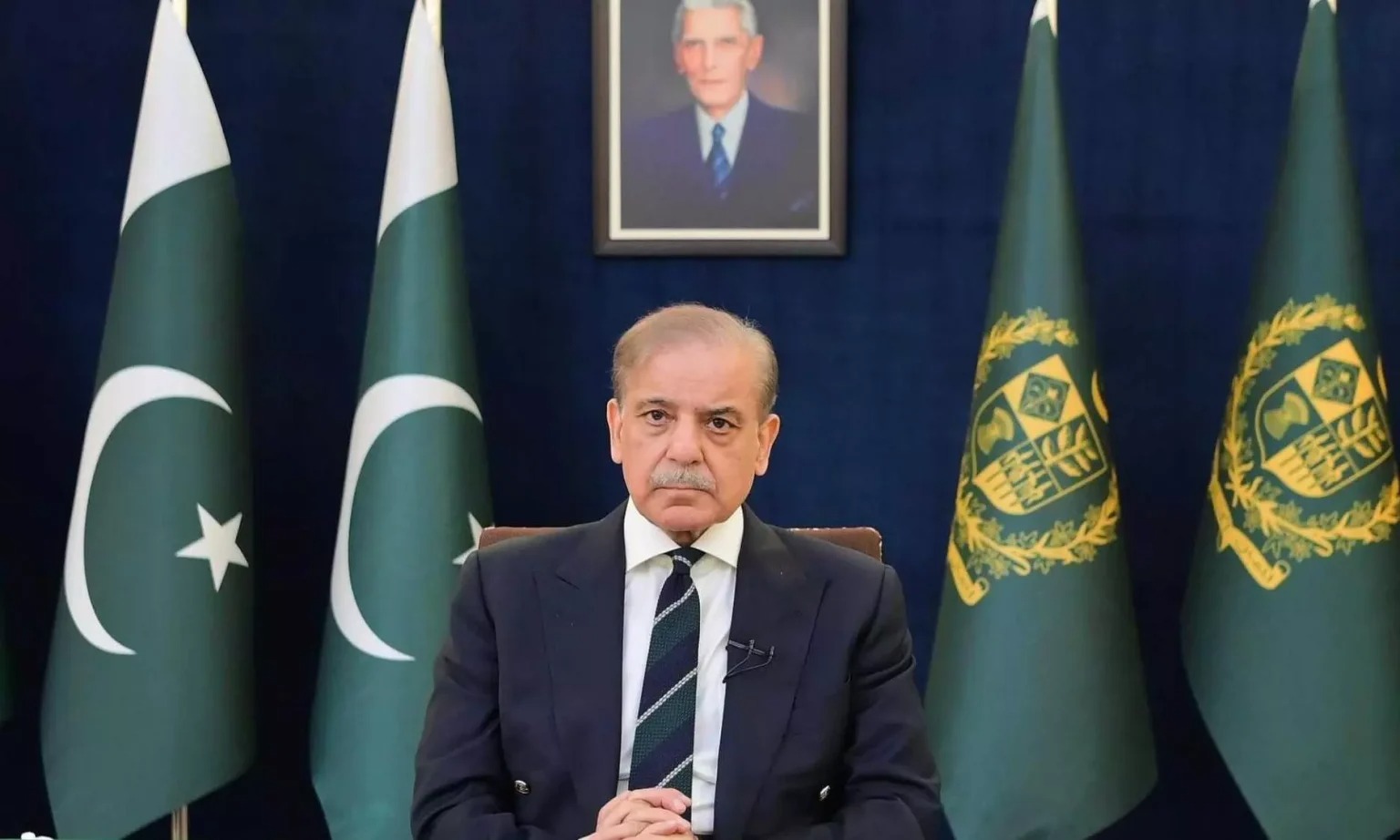
During his time in the Pakistani capital, Shaibani held extensive discussions with Prime Minister Shehbaz Sharif, laying out a comprehensive agenda for enhanced cooperation. Sharif reiterated Pakistan's firm support for Syria's territorial integrity, national unity, and sovereignty—key talking points that reflect Pakistan's historical alignment with Syrian positions on regional disputes. The prime minister explicitly reaffirmed Pakistan's backing for Damascus's stance regarding the Golan Heights, a territory long contested between Syria and Israel. This rhetorical support signals Pakistan's willingness to stand alongside Syria on issues of fundamental national importance, even as both countries navigate complex geopolitical environments.
The substantive content of these discussions ranged across an ambitious scope of collaboration. Pakistan's government statement emphasised the need to move beyond ceremonial friendship declarations and translate historical ties into concrete cooperation spanning politics, defence, trade, investment, education, and human resource development. This comprehensive framing suggests both sides recognise that meaningful partnership requires engagement across economic, security, and people-to-people dimensions. The inclusion of defence cooperation alongside commercial initiatives indicates that Pakistan views Syria not merely as a trade partner but as a strategic ally in a volatile region.
Resuming direct flight connectivity emerged as a priority objective, reflecting recognition that geographic distance and logistical barriers have hindered deeper engagement. Direct air services would facilitate not only official and business travel but also cultural and educational exchange programmes. Such connectivity improvements often serve as catalysts for broader institutional relationships, allowing universities, cultural organisations, and civil society groups to develop lasting partnerships. For Malaysia and other Southeast Asian nations monitoring Middle Eastern dynamics, the restoration of Pakistan-Syria air links represents a practical indicator of how regional actors are reshaping their engagement patterns in response to shifting geopolitical circumstances.
Deputy Prime Minister and Foreign Minister Ishaq Dar engaged Shaibani in broader conversations about regional and international developments, encompassing the Palestinian situation, the Golan Heights dispute, Afghanistan's trajectory, South Asian dynamics, and wider West Asian developments. This agenda reveals that Pakistan and Syria perceive mutual interest in coordinating positions on shared regional concerns. Afghanistan holds particular significance for Pakistan given its direct border and substantial refugee population, while Syria remains deeply invested in the trajectory of its immediate neighbourhood and the broader Levantine region. These overlapping regional interests create natural points of diplomatic cooperation.
Syria's appreciation for Pakistan's recent Makkah Joint Defence Agreement demonstrates recognition of Pakistan's evolving role in regional security architecture. The Syrian minister's commendation of Pakistan's efforts toward de-escalation in the US-Iran context suggests Damascus values Pakistan's positioning as a state capable of maintaining diplomatic channels across ideological divides. Pakistan's historical capacity to engage with multiple regional and global powers simultaneously has positioned it as a potential mediator in various disputes, a role that evidently resonates with Syrian policymakers seeking to expand their own diplomatic options.
Commerce Minister Jam Kamal Khan's engagement with Shaibani focused explicitly on expanding trade and investment mechanisms, with particular attention to Syria's substantial infrastructure and reconstruction requirements. This emphasis on reconstruction needs reflects Syria's priority to rebuild following years of internal conflict and external pressures. Pakistan, having experience with major infrastructure projects through its China-Pakistan Economic Corridor initiative and other development schemes, potentially offers relevant expertise and partnership models. Khan's proposal for enhanced private sector interaction indicates recognition that government-to-government initiatives must be accompanied by commercial engagement to achieve sustainable economic cooperation.
The proposal to establish a joint business council represents a structural innovation designed to institutionalise commercial cooperation beyond episodic high-level visits. Such councils typically provide regular forums for business leaders, government officials, and investment facilitators to identify opportunities, address barriers, and coordinate initiatives. For Pakistan's private sector, Syria's reconstruction phase offers potential opportunities in infrastructure, manufacturing, and service sectors. Conversely, Syrian enterprises might benefit from Pakistani expertise in agriculture, textiles, and smaller-scale manufacturing. The establishment of formal mechanisms suggests both sides recognise that spontaneous commercial engagement requires institutional scaffolding.
For Southeast Asian observers, particularly Malaysian policymakers and business communities, the Pakistan-Syria rapprochement offers several implications. First, it reflects a broader pattern wherein Middle Eastern and South Asian powers are recalibrating relationships in response to shifting great power dynamics and regional conflicts. Second, it demonstrates how reconstruction and development opportunities in conflict-affected regions can incentivise diplomatic engagement and economic cooperation among diverse partners. Third, it highlights the continuing relevance of geographic proximity and historical ties in shaping foreign policy priorities, even as global powers compete for influence in the region. Malaysia's own economic interests in Middle Eastern trade and investment make understanding these bilateral relationships valuable for anticipating regional stability and commercial patterns.
The visit's success in producing concrete proposals rather than merely ceremonial statements suggests genuine commitment to deepening ties. Both nations have allocated ministerial-level attention to multiple dimensions of cooperation, from security cooperation to infrastructure development. However, translating these high-level commitments into functioning institutions and measurable trade flows will require sustained bureaucratic coordination and investment of political capital over an extended period. The establishment of mechanisms like joint business councils and the resumption of air services will serve as useful benchmarks for assessing whether this diplomatic engagement produces substantive results or remains primarily at the rhetorical level.

