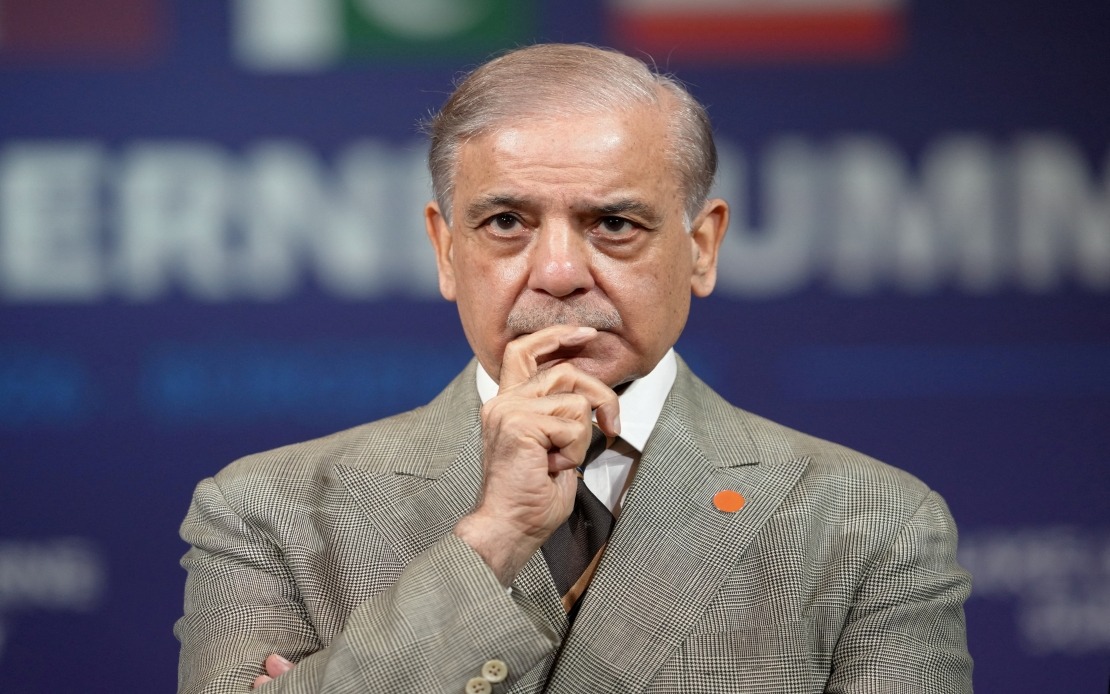
Pakistan and Turkey have committed to substantially expanding their economic partnership, with both nations targeting $5 billion in annual bilateral trade through deepened cooperation across multiple sectors. The pledge came during high-level talks in Istanbul on Saturday, when Prime Minister Shehbaz Sharif met with President Recep Tayyip Erdogan to chart a course for strengthened ties between the two Muslim-majority nations.
The visit underscored the importance both countries place on their relationship amid shifting geopolitical dynamics in South and Central Asia. Beyond formal government discussions, Sharif addressed a dedicated Pakistan-Turkey business conference that drew participation from major Turkish conglomerates, signalling a commitment to moving beyond diplomatic rhetoric toward tangible commercial engagement. The breadth of Turkish corporate representation—including household names and industrial heavyweights—reflected genuine interest in accessing Pakistani markets and investment opportunities.
Among the concrete initiatives discussed was the establishment of a Pakistan-Turkey digital corridor, a proposal that carries particular significance for regional connectivity. The digital infrastructure project aims to facilitate secure cross-border data flows whilst strengthening overall digital integration across both economies. This reflects a growing recognition among South Asian and Middle Eastern nations that digital infrastructure represents a competitive advantage in an increasingly technology-driven global economy. Sharif outlined this vision during meetings with Turkcell Chief Executive Ali Taha Koc, positioning the corridor as a potential model for regional digital cooperation that could eventually extend to other partners.
Energy cooperation emerged as a priority area given Pakistan's persistent power generation challenges and Turkey's position as a regional energy hub with diverse sourcing capabilities. The two nations explored opportunities spanning traditional and renewable energy sectors, alongside critical minerals procurement—an increasingly vital consideration as global supply chains diversify away from traditional sources. Transportation infrastructure and manufacturing were similarly highlighted as domains where Turkish expertise and investment could support Pakistan's economic development objectives.
Pakistan's delegation extended beyond the Prime Minister, with Deputy Prime Minister and Foreign Minister Ishaq Dar leading parallel engagement with Turkish corporate leadership. This multi-track approach involved sector-specific ministers handling portfolios in maritime affairs, energy, petroleum, privatisation, information technology, and telecommunications. The structured nature of these discussions suggests Pakistan has prepared detailed proposals to present to potential Turkish investors, moving beyond general interest toward specific projects awaiting funding.
The Turkish companies participating—notably conglomerate Koc Holding, appliance manufacturer Arcelik, gas distributor Aygaz, and Demir Export—represent significant capital pools and operational expertise. These organisations have established track records across multiple emerging markets, bringing both financial capacity and practical experience in navigating South Asian operating environments. Their presence signalled willingness to commit serious resources to Pakistani ventures rather than engage in preliminary discussions.
For Malaysian observers, this Pakistan-Turkey engagement illustrates a broader recalibration of economic partnerships amongst developing nations seeking alternatives to traditional Western trade frameworks. The emphasis on digital infrastructure, manufacturing cooperation, and critical minerals access reflects priorities that resonate throughout Southeast Asia and beyond. Malaysia, with its own ambitions to develop regional digital hubs and attract Middle Eastern capital, may find instructive lessons in how Islamabad is positioning itself as an attractive destination for Turkish investment.
The timing of Sharif's visit carries additional significance given Pakistan's ongoing economic stabilisation efforts following the International Monetary Fund bailout programme. Demonstrating capacity to attract foreign investment from non-traditional sources strengthens the narrative of economic recovery and diversified partnership, whilst tangible Turkish investment would provide crucial foreign exchange earnings and employment creation.
Regional geopolitical considerations also inform the Pakistan-Turkey rapprochement. Both nations occupy strategically important positions—Pakistan bridging South and Central Asia, Turkey linking Europe, the Middle East, and Asia. Enhanced economic integration could facilitate broader regional cooperation frameworks, potentially including connectivity initiatives that extend to Afghanistan, Central Asian republics, and beyond. Such arrangements align with Turkey's interests in Eurasian connectivity and Pakistan's own Belt and Road participation and regional integration aspirations.
The stated goal of $5 billion annual trade represents an ambitious but achievable target, though substantial groundwork remains. Current bilateral trade operates at considerably lower levels, meaning the commitment requires genuine effort from both governments to reduce tariff barriers, streamline customs procedures, and facilitate business registration and capital flows. Pakistan's government has indicated willingness to provide regulatory support for Turkish investors, a critical factor in converting interest into operational investments.
Implementation will ultimately determine whether these pledges translate into sustained economic benefits for both populations. The involvement of substantial Turkish industrial conglomerates suggests serious commercial intent, yet follow-through depends on Pakistan maintaining macroeconomic stability, delivering promised regulatory reforms, and ensuring security conditions permit business operations. Successfully attracting and retaining Turkish investment could establish a template for similar partnerships with other regional economies.
Looking forward, the Pakistan-Turkey cooperation framework may evolve beyond bilateral trade into structured regional initiatives. Both nations have expressed interest in connectivity projects potentially involving Iran, Afghanistan, and Central Asian partners. Such broader arrangements could position both countries as critical nodes in emerging trans-regional value chains, with implications extending throughout Asia and into Europe. For Pakistan specifically, successful execution of the Turkey partnership could catalyse similar arrangements with other regional powers, gradually rebuilding the international confidence essential for sustained economic growth.

