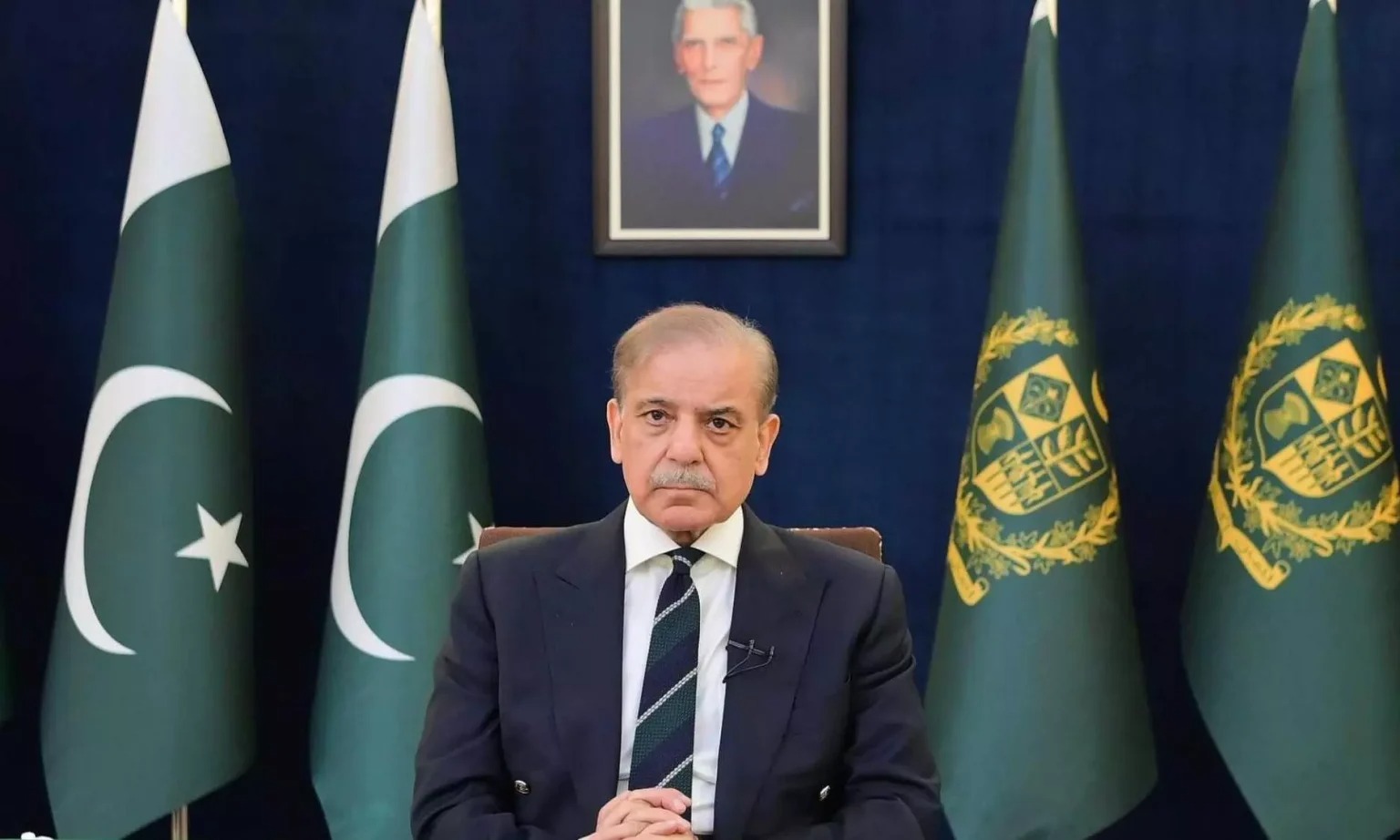
Pakistan Prime Minister Shehbaz Sharif will join world leaders and dignitaries gathering in Tehran on July 4 to pay respects at the funeral of Iran's Supreme Leader Ayatollah Ali Khamenei, marking a significant moment of regional diplomacy and mourning in the Middle East. The high-profile attendance underscores Pakistan's strategic relationship with Iran and its commitment to expressing formal condolences during a period of transition in Iranian leadership.
The announcement came through Pakistan's Foreign Ministry spokesman Tahir Andrabi during a media briefing in Islamabad on Thursday. Andrabi emphasised that Shehbaz would represent not only the government but also the broader sentiments of the Pakistani people during the funeral ceremony. This framing reflects the diplomatic weight such attendance carries, positioning Pakistan as a respectful neighbour offering official recognition during Iran's period of mourning and institutional change.
Shehbaz's participation in the funeral is part of a broader regional engagement strategy. Immediately following the Tehran visit, he will travel to Turkey at the personal invitation of Turkish President Recep Tayyip Erdogan. This sequential trip to two major regional powers demonstrates Pakistan's active diplomatic positioning in Middle Eastern affairs and its efforts to strengthen bilateral relationships on both strategic and economic fronts.
The delegation accompanying Pakistan's premier reflects the gravity and scope of the mission. Deputy Prime Minister and Foreign Minister Ishaq Dar will join Shehbaz, alongside other cabinet-level ministers. This substantial representation signals that discussions in both Iran and Turkey will cover substantive matters beyond ceremonial protocols, likely encompassing trade, security cooperation, and coordination on regional challenges.
The three-day foreign tour, scheduled for July 3-5, allows Shehbaz adequate time to fulfil diplomatic obligations in Tehran while maintaining sufficient schedule flexibility for the Turkish leg of his journey. The timing and sequencing suggest careful diplomatic choreography, with the funeral visit scheduled for July 4 and Turkish discussions anticipated thereafter. This arrangement demonstrates how Pakistan is balancing its obligations to multiple regional stakeholders during a sensitive period.
For Malaysian and Southeast Asian readers, Pakistan's active engagement in Iranian affairs illustrates the interconnected nature of regional diplomacy across Asia. The Middle East remains integral to broader Asian geopolitical calculations, affecting energy security, trade routes, and strategic alignments that have ripple effects throughout the region. Pakistan's position as a bridge between South Asia and the Middle East gives its diplomatic moves additional significance.
India will deploy a more limited representation to the funeral, with Bihar state governor Syed Ata Hasnain and deputy foreign minister Pabitra Margherita attending on behalf of the Indian government. This contrast in delegation size and level reflects differing strategic priorities and bilateral relationship dynamics between India and Iran compared to Pakistan's approach. India's choice of representatives, while respectful, indicates a more measured engagement with the Iranian transition.
The funeral of Ayatollah Khamenei represents a pivotal moment for Iran, as the nation navigates leadership succession during a period of international scrutiny and regional tensions. The international attendance, including major regional players like Pakistan and India, underscores Iran's continued significance in Asian geopolitics despite international sanctions and diplomatic isolation in certain quarters.
Pakistan's decision to send such a prominent delegation reflects the depth of Pakistan-Iran ties, which encompass shared borders, energy cooperation through the Iran-Pakistan gas pipeline project, and mutual security interests. The relationship has weathered various regional tensions and international pressures, making Shehbaz's attendance a reaffirmation of bilateral commitment and continuity in diplomatic relations.
For the broader Southeast Asian region, Pakistan's diplomatic manoeuvres serve as a reminder of how major Asian nations navigate complex regional relationships. The balance Pakistan seeks between Iran and Turkey, both strategically important but sometimes competing regional powers, reflects the sophisticated calculations required of middle powers managing diverse interests. This diplomatic dexterity offers lessons for ASEAN nations managing their own relationships with major powers.
The Turkish leg of Shehbaz's trip promises substantial discussions on bilateral matters and regional issues. Turkey, as a NATO member with significant Middle Eastern interests and influence, represents another critical node in Pakistan's regional engagement strategy. Discussions likely cover economic cooperation, defence matters, and potential coordination on Middle Eastern developments.
Pakistan's diplomatic calendar, as illustrated by this seven-nation trip covering high-level visits to two major regional powers within days, demonstrates the country's active role in shaping regional politics. Such engagement patterns influence the broader security environment and political dynamics affecting Asian nations, including those in Southeast Asia that depend on stable regional relationships for their own prosperity and security.

