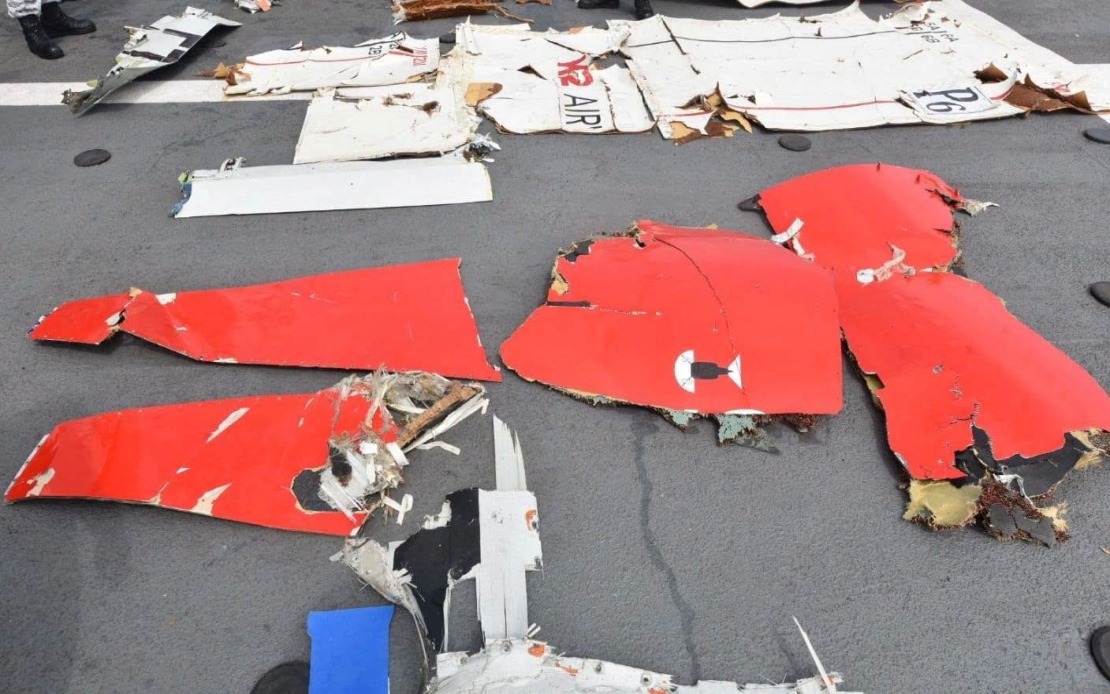
The Pakistani Navy has recovered wreckage fragments from a missing cargo plane in the Arabian Sea, but search and rescue efforts have yielded no sign of the five crew members aboard the K2 Airways Boeing 737. Naval units discovered the debris scattered off the coast near Amara, situated west of Karachi, following an intensive 12-hour search operation that began after the aircraft disappeared from radar on Tuesday evening. The discovery provides some clarity on the aircraft's final location while raising grim prospects for those aboard, given the challenging conditions in the region.
The aircraft was operating a routine cargo run from Sharjah in the United Arab Emirates to Karachi when contact was abruptly severed during what witnesses described as a rapid descent. Prior to losing radar contact, crew members had communicated technical difficulties to air traffic control, specifically flagging navigation system malfunctions that may have contributed to the loss of altitude and subsequent communications failure. The sequence of events suggests the aircraft experienced a serious mechanical or navigational crisis that disabled its ability to maintain contact with ground control.
Search and rescue operations have been severely hampered by adverse maritime conditions following the arrival of monsoon weather systems across the Arabian Sea. These seasonal wind patterns and rough seas have made it extremely difficult for naval units to expand their search perimeter or conduct detailed recovery operations in the crash zone. The timing of the disaster—coinciding with the monsoon onset—has complicated rescue efforts that are already challenging given the vast expanse of open ocean and unpredictable conditions. Maritime authorities acknowledge that rough seas will continue to impede operations in coming days.
K2 Airways, the operator of the ill-fated aircraft, publicly identified the five crew members as consisting of two pilots, two aircraft engineers, and a loadmaster—a team representative of typical cargo flight operations in South Asian aviation. The airline issued a statement expressing its full cooperation with Pakistani Civil Aviation Authority investigators and relevant government agencies. In an emotional appeal, K2 Airways stated the company continues to pray for the safety and wellbeing of its colleagues, acknowledging the gravity of the situation while maintaining hope for an unexpected discovery of survivors.
Prime Minister Shehbaz Sharif responded to the tragedy by expressing formal condolences to the affected families and the broader aviation community. The expression of government-level sympathy underscores the significance of the incident within Pakistan's national consciousness and reflects standard diplomatic protocol following major transportation disasters. Such statements typically precede formal investigations and comprehensive reviews of safety procedures across the aviation sector.
The Boeing 737 involved in the incident has a notably complex operational history spanning multiple decades and roles. The aircraft initially entered commercial service in 1999 as a passenger-configured plane, operating in that capacity for several years before undergoing conversion to dedicated cargo configuration. This conversion process is common in the aviation industry as aircraft age, allowing operators to extend the working life of aging planes by transitioning them to less regulated freight operations. The specific details of its conversion timeline and maintenance records will likely feature prominently in the investigation.
K2 Airways itself is a relatively young operator in Pakistan's competitive aviation landscape, having commenced commercial operations only in 2018. The airline represents one of several private carriers competing in a market dominated by larger regional players. As a newer entrant, the incident will attract scrutiny regarding the company's safety protocols, maintenance standards, crew training procedures, and regulatory compliance—issues that Pakistani aviation authorities will examine thoroughly as part of their accident investigation. The airline's response and cooperation with authorities will be closely monitored by industry observers and regulatory bodies.
For Malaysian and Southeast Asian aviation stakeholders, this incident carries relevant lessons regarding monsoon-season operations, cargo aircraft maintenance standards, and crew training requirements in South Asian aviation markets. The region's monsoon patterns present recurring challenges for maritime-based rescue operations, a reality that affects multiple countries throughout the Indian Ocean and Arabian Sea regions. Airlines operating cargo services across these routes must factor seasonal weather disruptions into their operational planning and contingency procedures.
The investigation into this accident will likely focus on several critical areas: the navigation system malfunction reported by the crew, the aircraft's maintenance history and compliance with international aviation standards, weather conditions at the time of the incident, and crew training protocols. Pakistani Civil Aviation Authority investigators will coordinate with international aviation safety bodies to conduct a comprehensive analysis. The recovery of additional wreckage and potential flight recorder data will be essential to understanding the precise sequence of events that led to the aircraft's disappearance.
This tragedy underscores the inherent risks in cargo aviation operations, particularly those conducted across challenging maritime routes with limited infrastructure for rapid emergency response. While passenger aviation typically receives greater regulatory attention and safety emphasis, cargo operations often operate under different parameters and with reduced oversight in some jurisdictions. The incident may prompt regional aviation authorities, including those in Malaysia and neighbouring countries, to review their own cargo operator safety standards and emergency response capabilities.
For the families of the five crew members, the discovery of wreckage without human survivors presents an agonising situation combining elements of confirmed loss with continued uncertainty. Recovery operations will continue as weather conditions permit, with naval authorities and international maritime partners potentially assisting in expanded search efforts. The international aviation community will monitor how Pakistani authorities handle both the investigation and the humanitarian aspects of this tragedy, including support for grieving families and assessment of systemic safety improvements needed across the region's cargo aviation sector.

