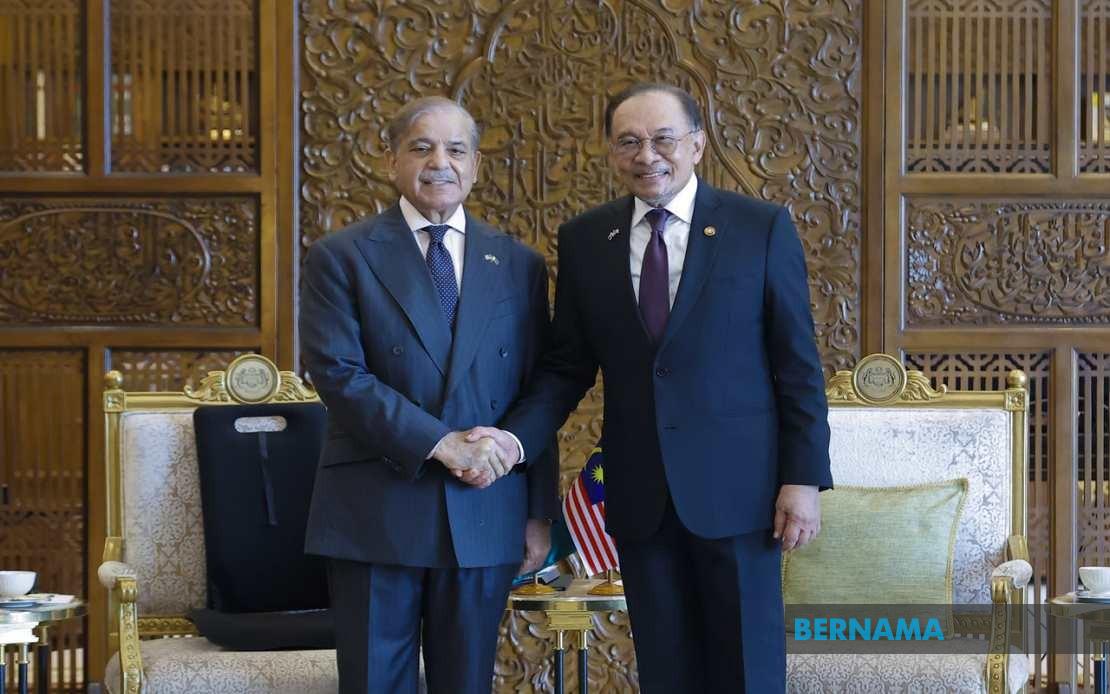
Pakistan's Prime Minister Shehbaz Sharif has publicly expressed his hopes for Malaysian Prime Minister Datuk Seri Anwar Ibrahim's swift recovery as the Malaysian leader prepares to undergo a series of medical procedures. The gesture reflects the diplomatic ties between the two nations and Sharif's personal regard for his counterpart, underscoring the importance both leaders place on their bilateral relationship during a period of regional engagement.
In a message posted to X on Monday, Sharif conveyed warm sentiments, framing his wishes in terms that acknowledge shared Islamic values and mutual respect. He invoked religious blessings, stating that he hoped Allah would grant Anwar a rapid and smooth recovery and a prompt return to his ministerial responsibilities. The tone of his statement suggests a recognition of Anwar's central role in Malaysia's governance and the continuity that his full health represents for the country's administration.
Sharif's message also indicated that the broader Pakistani public stands in solidarity with their Malaysian counterparts during this period. By noting that the people of Pakistan joined him in his prayers for Anwar's wellbeing, he positioned the sentiment as extending beyond the purely diplomatic sphere into a wider expression of goodwill between the two nations. This framing has become customary in high-level international relations, particularly among countries with shared cultural and religious frameworks.
According to Anwar's Senior Press Secretary Tunku Nashrul Abaidah, the Malaysian Prime Minister is undergoing a comprehensive set of medical examinations and procedures that have been specifically recommended by a team of medical specialists. The structured approach to these procedures—involving multiple specialists rather than a single physician—suggests a thorough and methodical approach to the Prime Minister's health assessment. Such multidisciplinary medical protocols are standard practice for high-profile government figures who require intensive monitoring.
The Malaysian authorities have provided a clear timeline for the procedure, indicating that Anwar is expected to remain under medical observation for a period of two days. This relatively brief hospitalization window suggests that while the procedures are significant enough to warrant specialist involvement and close monitoring, they are not anticipated to be of an emergency or critically serious nature. The measured timeframe allows for thorough examination while maintaining the continuity of government operations with minimal disruption.
The public disclosure of the Prime Minister's medical situation reflects Malaysia's approach to transparency regarding leadership health matters. Rather than shrouding the event in secrecy, the Prime Minister's office has chosen to inform the public and international partners directly. This openness helps prevent rumor and speculation while allowing concerned parties, both domestically and internationally, to understand the situation and maintain confidence in governmental stability.
For Malaysia, the scheduling and announcement of such procedures demonstrates institutional continuity even when the head of government requires medical attention. The fact that the medical team deemed it appropriate to proceed with planned procedures rather than declaring an emergency situation suggests that Anwar's condition, while requiring specialist care, remains stable. This distinction is important for international markets and regional partners who monitor the health and availability of key political figures as indicators of governance stability.
The exchange between Sharif and Anwar, though brief, illustrates the personal dimensions of diplomatic relations between South Asian and Southeast Asian leaders. Pakistan and Malaysia have longstanding ties rooted in Islamic cooperation, historical connections, and shared interests in regional security and economic development. High-level courtesies such as Sharif's message, while routine, reinforce these bonds and demonstrate mutual respect among major players in their respective regions.
The timing of these medical procedures comes as both Pakistan and Malaysia navigate complex domestic and regional challenges. For Malaysia, the visible management of the Prime Minister's health without apparent crisis reinforces institutional confidence at a time when the country continues to address various governance priorities. For Pakistan, Sharif's public engagement with regional peers reflects his government's active diplomatic posture and its integration into broader South and Southeast Asian affairs.
The incident also highlights how international relations operate at multiple levels simultaneously. While high-level government-to-government relations proceed through formal channels, personal courtesies between leaders—transmitted through modern social media platforms—add a human dimension to statecraft. Sharif's use of X to disseminate his wishes ensured visibility among both Pakistani and international audiences, amplifying the gesture beyond what a private message would accomplish.
As Anwar proceeds with his medical procedures, the institutional mechanisms of Malaysian government continue functioning, with various ministries and offices maintaining their operations. The Prime Minister's office has managed the disclosure in a manner that keeps the public informed while avoiding the creation of unnecessary anxiety or political uncertainty. This approach reflects mature institutional practices where temporary absences for medical reasons do not trigger broader concerns about governmental capability.
The broader context of this event underscores how even routine medical procedures involving senior leaders carry significance in the international sphere. When a Prime Minister requires medical attention, it invariably becomes a matter of regional interest given the interconnected nature of modern governance and commerce. Pakistan's official response demonstrates how neighboring and partner nations maintain awareness of and engagement with developments affecting major regional figures.

