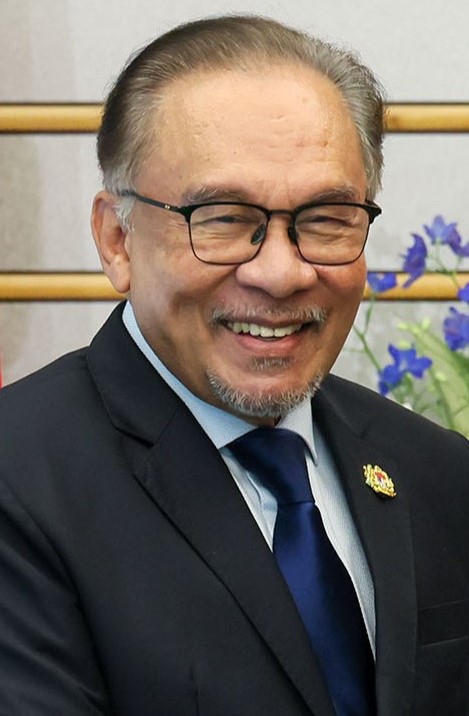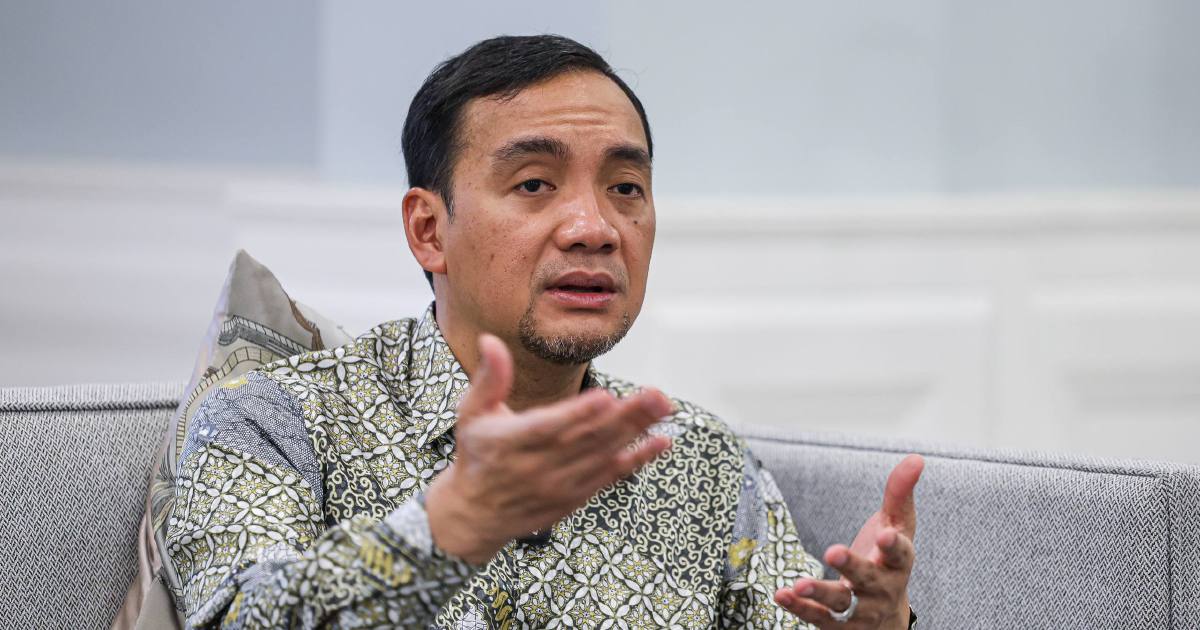
The royal institutions of Johor have weighed in on the conduct expected of politicians during the state's forthcoming election campaign, with a call for a return to more respectful political discourse. Datuk Onn Hafiz Ghazi, who chairs the Johor chapter of Barisan Nasional, relayed guidance from His Majesty Sultan Ibrahim, the reigning King of Malaysia, and Tunku Mahkota Ismail, who holds the position of Regent of Johor, urging politicians to abandon personal attacks and maintain civil behaviour throughout the electoral process.
The intervention represents a notable moment in Malaysian politics, where the palace occasionally serves as a stabilizing force in democratic contests. Such statements carry particular weight in Johor, where the sultanate maintains considerable cultural and political significance within the state's governance framework. The explicit warning about uncivil conduct reflects broader concerns about how modern election campaigns, amplified through social media and digital platforms, have sometimes descended into acrimonious exchanges that deviate from traditional standards of respectful political competition.
Johor's political landscape has experienced considerable turbulence in recent years, with shifting coalitions and factional divisions within both government and opposition camps. The palace intervention appears timed to set expectations for a campaign period that could otherwise mirror the increasingly heated rhetoric witnessed in other recent Malaysian electoral contests. By speaking through the Johor BN leadership, the royal authorities are signalling that political actors should remember their responsibilities to constituents extend beyond winning elections to preserving the social cohesion necessary for stable governance.
Onn Hafiz's role as the messenger carries its own significance. As the representative conveying the palace's position to the broader political community, his articulation of this guidance suggests consensus across Johor's political establishment regarding the need for improved campaign standards. The choice to highlight this position publicly indicates the palace considers the matter serious enough to warrant an advance warning rather than private counsel.
Personal attacks have become increasingly prevalent in Malaysian politics, particularly as political parties compete for voter attention in crowded media environments. Social media campaigns frequently blur the line between legitimate policy criticism and character assassination, targeting not only politicians' records but also their families, personal lives, and religious commitments. Such escalation can poison the political atmosphere and undermine public confidence in democratic institutions themselves, which likely explains why Johor's royal leadership felt compelled to speak out proactively.
The palace's emphasis on civility also reflects longstanding conventions within the Malaysian political system where respect for traditions and hierarchies remains valued. This is especially true in sultanate states like Johor, where the royal institution maintains active involvement in state affairs and enjoys substantial public respect. The palace positioning itself as an arbiter of acceptable political conduct aligns with historical practice while also reflecting changing expectations about how democratic competition should be conducted in multiethnic and multireligious societies.
For Barisan Nasional in Johor, the palace guidance offers both opportunity and constraint. It allows the coalition to position itself as the establishment force respecting royal counsel while simultaneously suggesting that opposition parties should heed the warning as well. However, the message implicitly applies to all political contestants regardless of affiliation, placing pressure on any candidate or party that subsequently engages in the very conduct the palace discouraged.
The timing of this announcement also merits consideration. State elections in Malaysia have become increasingly competitive, with opposition coalitions improving their performances in successive contests. Johor, traditionally a Barisan Nasional stronghold, has not been immune to these broader shifts in voter sentiment. The palace appeal for civility may serve to protect the integrity of the democratic process itself, ensuring that electoral competition does not corrode the institutions and norms that sustain democratic governance.
Regional observers note that Malaysia has demonstrated an ability to conduct competitive elections while maintaining political stability, a balance not always achieved across Southeast Asia. Mechanisms like palace interventions on conduct standards contribute to this equilibrium by establishing that certain lines should not be crossed regardless of political stakes. The Johor palace's current guidance exemplifies how traditional institutions can play constructive roles in modern democracies by reinforcing expectations around acceptable behaviour.
Campaign standards ultimately reflect the political maturity of a society. The palace's intervention suggests a recognition that while vigorous political competition remains healthy, maintaining mutual respect and civility represents a prerequisite for electoral contests that strengthen rather than damage democratic legitimacy. For Malaysian voters evaluating their choices during the Johor election, the royal guidance offers a framework for assessing not merely which party they prefer, but whether candidates and organisations are conducting themselves in ways that honour the democratic process itself.