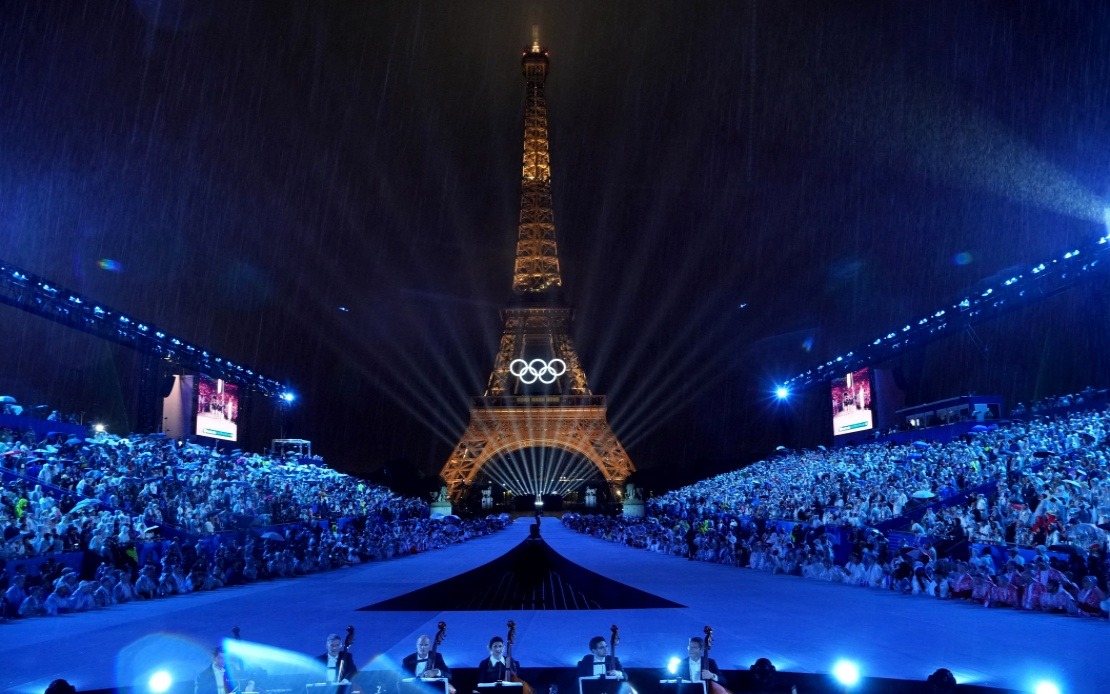
The Eiffel Tower, one of the world's most visited monuments, shuttered its doors at 4.00 pm local time on Tuesday as France battled an intense heatwave that threatened public safety. Operator Sete announced the exceptional closure through official channels, citing extreme heat conditions that necessitated immediate action to protect both staff and the thousands of daily visitors who typically ascend the iron structure. The last entry for tourists was set at 12.15 pm, requiring the attraction to turn away guests with afternoon appointments.
Visitors affected by the unexpected closure faced automatic refund procedures. Anyone holding tickets for time slots beginning at 11.30 am for the stairs and 12.00 pm for the lift access were entitled to compensation, streamlining what could have been a frustrating logistical challenge for the monument's management team. This policy reflected an industry-wide acknowledgment that when temperatures reach dangerous levels, ordinary operations become untenable regardless of commercial considerations.
The Parisian heat emergency extended beyond the Eiffel Tower, affecting cultural institutions across the city. The Louvre Museum, home to the Mona Lisa and countless artistic treasures, announced a temporary reduction in operating hours beginning June 24 through June 27. Rather than closing entirely, the world-renowned museum opted to shut at 4.00 pm instead of its customary 6.00 pm closing, providing visitors a compressed window to experience the collections while allowing staff respite from the oppressive temperatures within the building.
Meteo-France, the country's national meteorological authority, issued dire forecasts predicting that the extreme conditions would persist through at least Thursday. Paris itself experienced temperatures of 36 degrees Celsius by 4.00 pm on Tuesday, with forecasters warning of further deterioration the following day. Wednesday was projected to bring highs approaching 38 degrees Celsius in the capital, making outdoor activities increasingly risky and straining the city's infrastructure and emergency services.
The geographical scope of the crisis underscored the severity of the situation across the entire nation. Meteo-France placed 54 departments in mainland France under red alert, the most critical designation in the national heatwave warning system reserved for situations posing the gravest threats to public health. An additional 35 departments received orange alert status, indicating dangerous conditions requiring heightened vigilance and precautionary measures from local authorities and residents.
For Malaysia and Southeast Asia, this European heatwave serves as a sobering reminder of climate change impacts even in temperate regions traditionally associated with milder summers. While tropical nations routinely experience high temperatures, the shock of extreme heat in Paris highlights how shifting climate patterns are challenging previously stable weather systems worldwide. The rapid closure of major tourist attractions demonstrates that even wealthy nations with sophisticated infrastructure face serious challenges when weather conditions exceed historical norms.
The decision by monument operators to prioritize safety over revenue also carries important lessons for the region's tourism industry. As Southeast Asia continues developing its attractions and entertainment infrastructure, the precedent set by major European establishments suggests that proactive environmental management and visitor welfare must take precedence during extreme weather events. This approach protects both human life and the long-term reputation of destinations.
The heatwave affecting France reflects broader European climate challenges that could eventually impact global weather patterns, including those affecting Southeast Asia. Extreme heat events in developed nations often precede similar incidents in developing regions, giving Malaysian planners and business operators valuable case studies for preparation. The Eiffel Tower and Louvre closures provide practical examples of how organizations can respond responsibly when conditions deteriorate unexpectedly.
For Malaysian tourism operators, the French experience suggests that contingency planning for climate-related disruptions should become standard practice. Seasonal monsoons and occasional extreme temperatures already challenge outdoor attractions throughout the region, but intensifying heat events could necessitate similar operational adjustments. Creating flexible ticketing systems, ensuring staff welfare protocols, and maintaining clear communication channels with visitors during emergencies represent essential elements of modern tourism management.
The response from French authorities and monument operators demonstrates institutional maturity in recognizing when human comfort and safety must override commercial interests. As climate patterns become more unpredictable globally, this willingness to adapt operations provides a template for organizations throughout Southeast Asia facing increasing environmental pressures. The precedent suggests that transparency about closures and fair compensation policies, rather than attempting to continue normal operations under dangerous conditions, ultimately better serve both public welfare and institutional credibility.
Looking forward, the convergence of extreme weather events with major tourist destinations raises questions about how societies will balance economic pressures with climate adaptation. France's response this week suggests that even iconic landmarks vulnerable to operational losses will prioritize safety when faced with genuine threats. For the region's rapidly expanding tourism sector, such incidents provide important data points for developing robust climate adaptation strategies that protect visitors, employees, and the viability of attractions across decades of potentially worsening environmental conditions.

