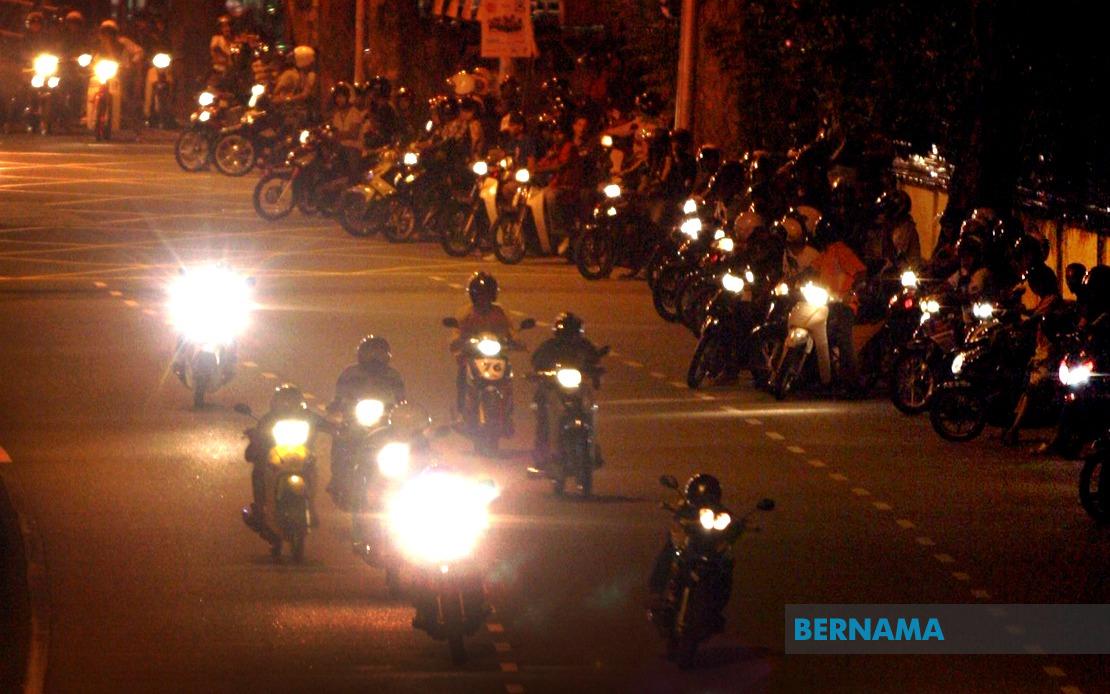
During parliamentary debate on the Road Transport (Amendment) Act 2026, Malaysian lawmakers have collectively outlined an ambitious legislative agenda to curb the persistent problem of illegal street racing, signalling growing frustration with existing enforcement mechanisms and a determination to implement more severe consequences for offenders. The proposals emerged during deliberations in the Dewan Rakyat, where two dozen government and opposition members contributed to discussions that ranged from individual penalties to systemic approaches targeting the entire ecosystem supporting illegal racing activities.
Amongst the most significant proposals advanced was Datuk Willie Mongin's recommendation for permanent revocation of driving licences for those convicted of illegal street racing. Mongin, the GPS representative for Puncak Borneo, argued that merely imposing financial penalties and prison sentences had failed to adequately deter participation in these dangerous activities. His proposal suggested minimum penalties of RM300,000 in fines or five years imprisonment, coupled with the permanent loss of driving privileges. This approach represents a fundamental shift toward lifetime consequences, effectively removing offenders from Malaysian roads indefinitely and preventing future incidents involving the same individuals.
The severity of illegal racing's consequences was underscored by reference to the tragic June 1 incident in Simpang Renggam, Johor, where luxury vehicles involved in illegal racing activities claimed multiple lives. Wan Razali Wan Nor, representing PN-Kuantan, highlighted that this disaster demonstrated the dangers extend far beyond motorcycle-based street racing, a misconception that has dominated public discourse. The incident involving high-powered cars illustrated that illegal racing has evolved into a phenomenon affecting all vehicle categories, with each escalation in vehicle performance proportionally increasing the potential for catastrophic outcomes affecting innocent road users.
Parliamentarians recognised that effective intervention requires moving beyond individual punishment to address the entire supply chain facilitating illegal racing. Khairil Nizam Khirudin proposed implementing specialised rehabilitation programmes that would combine disciplinary education with community service requirements, offering offenders a pathway toward behavioural change rather than purely retributive measures. This approach acknowledges that many participants, particularly younger drivers, may be amenable to intervention through structured rehabilitation rather than incarceration alone. Such programmes could incorporate road safety education, victim impact awareness sessions, and community engagement opportunities designed to reshape attitudes toward illegal racing.
The role of workshop operators in enabling illegal racing activity also drew parliamentary scrutiny. Khairil Nizam suggested that the Ministry of Transport collaborate with the Ministry of Domestic Trade and Cost of Living to develop regulatory frameworks targeting businesses that perform excessive motorcycle modifications. These establishments, he argued, represent crucial enablers of the illegal racing ecosystem, transforming standard vehicles into machines specifically engineered for street racing. By invoking Section 66 of the Road Transport Act 1987, lawmakers could potentially establish new regulations holding workshop owners legally accountable for modifications they knowingly perform to facilitate illegal activities.
Another dimension of the enforcement strategy involved extending accountability to parents and families of illegal racing participants. The proposal to hold parents legally or financially responsible reflects a growing recognition that family-based intervention may prove more effective than purely state-based enforcement. This approach carries significant implications for how Malaysian society addresses youth involvement in dangerous activities, shifting responsibility beyond the individual to the family unit that bears obligation for supervising younger members' conduct. Such measures would require careful legislative drafting to avoid overreach while meaningfully incentivising parental engagement with youth supervision.
The destruction or permanent confiscation of excessively modified motorcycles emerged as another enforcement proposal, with Shaharizukirnain Abd Kadir suggesting that motorcycles subjected to extreme modifications should be dismantled or demolished rather than returned to owners. This radical approach acknowledges that certain vehicles, once modified beyond standard specifications, pose inherent dangers and should be permanently removed from circulation. The practical and legal challenges of implementing such policies remain substantial, yet the proposal reflects parliamentary sentiment that existing enforcement mechanisms remain inadequate to address the problem's severity.
Beyond illegal racing specifically, parliament also advanced complementary proposals addressing dangerous driving behaviour more broadly. Multiple MPs emphasised that provisions governing driving under the influence of alcohol and drugs required substantial strengthening, with Zahari Kechik and Datuk Seri Dr Ismail Abd Muttalib advocating for enhanced compensation mechanisms ensuring that victims of impaired driving received adequate hospital cost coverage and welfare support. These lawmakers proposed that drunk and drug-impaired drivers should bear financial responsibility not merely through fines but through direct victim compensation systems, creating immediate financial consequences for offenders and ensuring that healthcare costs and victim welfare did not burden public systems or bereaved families exclusively.
The parliamentary debate highlighted critical gaps in current legislative frameworks where certain vehicle categories escaped coverage under existing illegal racing provisions. Wan Razali's intervention emphasised that Section 42A should apply comprehensively across all vehicle types, eliminating distinctions between motorcycles and cars that currently allow some high-powered vehicles to escape particular scrutiny. This inclusive approach recognises that illegal racing's dangers manifest across all vehicle categories and that legislative frameworks must reflect this reality without creating loopholes permitting certain participants to avoid enhanced penalties based on vehicle type.
The collective parliamentary response to illegal racing demonstrates heightened awareness of the phenomenon's socioeconomic dimensions and its capacity to inflict community-wide trauma. Beyond addressing individual offenders, the proposed framework targets the commercial infrastructure supporting illegal activities, seeks to engage family structures in preventative intervention, and attempts to strengthen victim protection mechanisms. The proposals collectively suggest a shift toward comprehensive rather than piecemeal approaches, recognising that the problem's complexity requires coordinated responses spanning enforcement, rehabilitation, regulatory oversight, and compensation frameworks.
For Malaysian and Southeast Asian policymakers, the parliamentary debate offers important lessons regarding enforcement strategy evolution. Rather than assuming that escalating penalties alone will deter illegal activity, the proposals suggest that effective intervention requires multi-stakeholder engagement, victim support mechanisms, and supply-chain disruption targeting the businesses and individuals enabling dangerous behaviour. The reference to commercial workshop modifications particularly resonates across Southeast Asia, where similar informal automotive modification sectors operate with minimal oversight across the region, suggesting that Malaysia's legislative innovations may influence broader enforcement approaches throughout the subregion.
As the Road Transport Amendment Act 2026 progresses toward further parliamentary consideration, the proposals advanced during this debate session will likely shape the final legislation's scope and severity. The broad parliamentary consensus supporting stricter measures indicates that future enforcement will impose substantially harsher consequences on illegal racing participants, potentially serving as a watershed moment in Malaysia's approach to this persistent public safety challenge. Whether these legislative initiatives prove effective will depend on subsequent implementation rigour and the government's commitment to sustained enforcement across all proposed dimensions.

