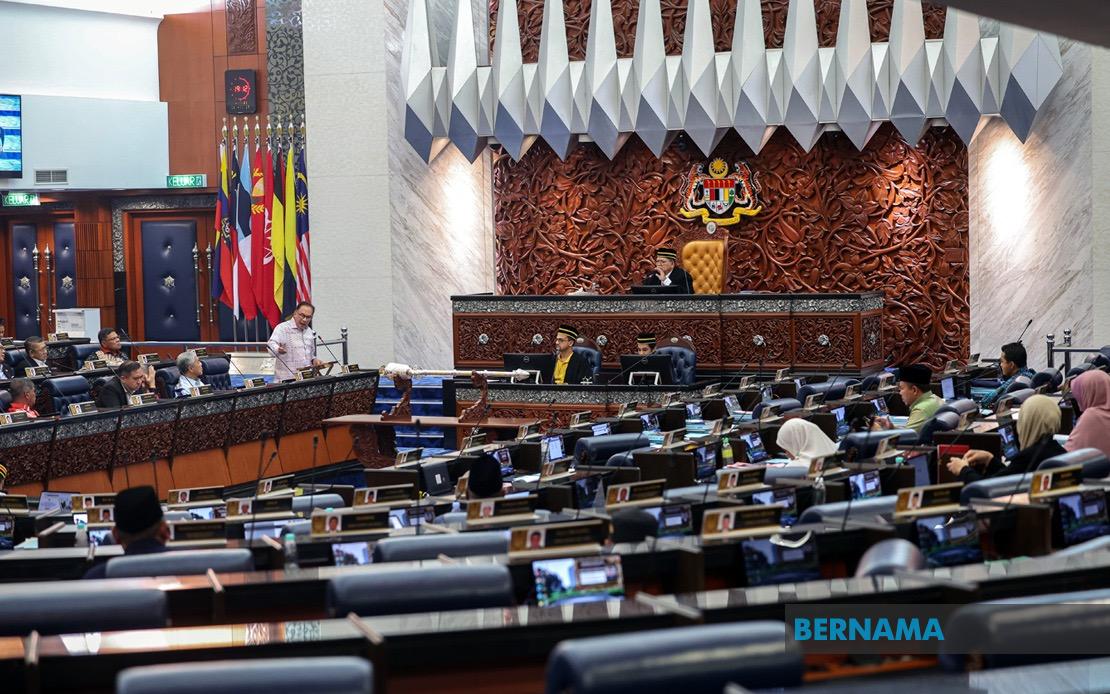
Parliament has thrown its weight behind a comprehensive push to fortify Malaysia's defences against child sexual predators, with members from both government and opposition benches converging on the urgent need for systemic improvements during today's debate on the Sexual Offences Against Children (Amendment) Bill 2026. The cross-party consensus signals growing political will to address what has become an increasingly alarming challenge, though the specific mechanisms for enforcement and the allocation of resources remain subjects of intense parliamentary discussion as the nation grapples with the complexities of protecting its most vulnerable citizens.
The amendment to the Sexual Offences Against Children Act 2017 represents a critical legislative evolution designed to eliminate jurisdictional gaps that have historically prevented Malaysia from prosecuting predators who commit crimes against Malaysian children from locations outside the country's borders. This jurisdictional constraint has become a mounting concern for law enforcement and child protection advocates, who warn that international criminal networks deliberately exploit regulatory blind spots to evade accountability. By extending Malaysia's legal reach, the amendment aims to dismantle the notion that offenders can find sanctuary by operating from abroad, a deterrent effect that legal experts argue could substantially reshape predatory behaviour patterns.
Abd Ghani Ahmad, the Jerlun representative, articulated a vision for Malaysia that leverages the Mutual Legal Assistance mechanism alongside extradition protocols to construct a formidable barrier against transnational child exploitation. His emphasis on international frameworks reflects a growing recognition that child sexual abuse has transcended geographical boundaries, with criminal networks operating seamlessly across multiple jurisdictions. Ahmad additionally stressed the imperative for domestic coordination, arguing that siloed operations among the Royal Malaysia Police, Immigration Department, Attorney-General's Chambers, Department of Social Welfare, schools, and hospitals have created investigative bottlenecks that delay prosecutions and compromise digital evidence preservation. The consolidation of these institutional efforts, he suggested, would generate synergies capable of producing swifter, more effective responses.
Datak Seri Doris Sophia Brodi, representing Sri Aman, ventured beyond enforcement to champion preventive strategies rooted in digital literacy and parental vigilance. Her proposal for a dedicated task force focusing specifically on digital sexual crimes acknowledges the transformation of child exploitation through online platforms, where predators employ sophisticated grooming techniques that often escape parental detection until irreversible harm has occurred. Brodi's insistence on intensified digital safety education reflects emerging evidence that technological literacy among young Malaysians has outpaced their understanding of online risks, creating dangerous vulnerabilities. Her call for identity protection and sustained psychological recovery programmes underscores a holistic comprehension that prosecution alone cannot heal the profound trauma experienced by survivors, many of whom face lifelong psychological complications including complex PTSD and difficulties forming healthy relationships.
The establishment of a specialised prosecution unit dedicated exclusively to child sexual crimes emerged as a recurring recommendation from multiple MPs, with Datuk Mas Ermieyati Samsudin adding fiscal muscle to the proposal by advocating for dedicated funding mechanisms to support victim rehabilitation. Her suggestion for increased child psychology expertise within public facilities addresses a critical shortage that has left many survivors without adequate therapeutic intervention, particularly in rural and semi-urban areas where specialist services remain scarce. The creation of a specialised fund to defray psychological treatment expenses, legal representation costs, and rehabilitation programmes represents a significant financial commitment that acknowledges victims' material vulnerabilities during recovery processes, recognising that economic hardship frequently compounds psychological trauma.
RSN Rayer expanded the enforcement conversation by emphasising the necessity for augmented investigative capacity, arguing that current team compositions stretch across too many competing priorities to effectively tackle the complexity of modern child sexual crime investigations. His advocacy reflects operational realities where specialist detectives working on multiple cases simultaneously cannot dedicate sufficient attention to the meticulous evidence gathering and digital forensics that contemporary prosecutions demand. The under-resourcing of these units has historically resulted in prolonged investigations that jeopardise victim wellbeing and allow trail evidence to degrade, ultimately weakening prosecutorial cases even when perpetrators are eventually apprehended.
Young Syefura Othman's proposition for a National Child Sexual Offender Registry accessible to enforcement agencies and child-adjacent institutions represents perhaps the most ambitious institutional innovation discussed during proceedings. Her logic rests on preventing convicted offenders from occupying positions of trust within environments providing direct access to children—a safeguard that numerous international jurisdictions have implemented with demonstrable success in reducing recidivism. She advocated for mandatory background screening across an extensive spectrum of child-contact roles spanning educational institutions, religious centres, sports organisations, and welfare facilities, effectively closing recruitment pathways that have occasionally inadvertently facilitated placement of offenders in child-proximity positions.
The parliamentary discussion reflects deepening awareness that Malaysia's child protection architecture requires fundamental restructuring rather than incremental adjustments. Twenty-six MPs participated in today's debate, generating substantive proposals that traverse prevention, detection, prosecution, and rehabilitation—the four pillars of comprehensive crime control strategy. The breadth of engagement suggests that child protection has transcended factional politics to become a unifying concern, though critics might question whether parliamentary consensus will translate into budget allocations sufficient to implement the wide-ranging institutional changes being proposed. Implementation will prove the decisive test, determining whether these legislative ambitions materialise into tangible protections or languish as aspirational commitments constrained by budgetary realities and bureaucratic inertia.
For regional observers, Malaysia's legislative evolution signals intensifying recognition across Southeast Asia that child sexual exploitation constitutes a transnational security challenge demanding coordinated international responses. The proposed amendments and enforcement enhancements could establish templates for regional cooperation frameworks and mutual legal assistance protocols. Thailand, Indonesia, and the Philippines face similar jurisdictional challenges and have wrestled with comparable questions about balancing prosecution with victim support. Malaysia's experience navigating these dilemmas may inform broader regional standard-setting as countries recognise that unilateral action remains insufficient against networks that inherently operate transnationally.
The Dewan Rakyat adjourned proceedings following the debate, with the legislative agenda resuming tomorrow as parliament continues its consideration of this foundational child protection amendment. The bill's ultimate passage appears assured given the demonstrated cross-party support, though the subsequent translation of statutory provisions into effective enforcement mechanisms will require sustained political commitment, substantial financial investment, and institutional coordination transcending the turf-consciousness that traditionally fragments Malaysian bureaucracy. The parliament has articulated the destination; the challenge now lies in marshalling the resources and organisational will to reach it.

