Lawmakers in Parliament are demanding that any investigation stemming from the Royal Commission of Inquiry into Tabung Haji must be executed with complete transparency and independence to safeguard the interests of depositors and the broader Malaysian public. The call underscores growing concerns about maintaining credibility in how the government addresses findings from the high-profile probe into the Islamic pilgrimage fund's troubled operations.
The push for accountability comes as the RCI report, released publicly on July 29, revealed significant governance weaknesses spanning 2014 to 2020 within the institution that manages funds for Muslims performing the hajj pilgrimage. Ministers and legislators speaking during Parliament's special sitting on August 11 emphasized that investigative actions must be grounded in professional standards and factual assessment rather than becoming mired in competing accusations and blame.
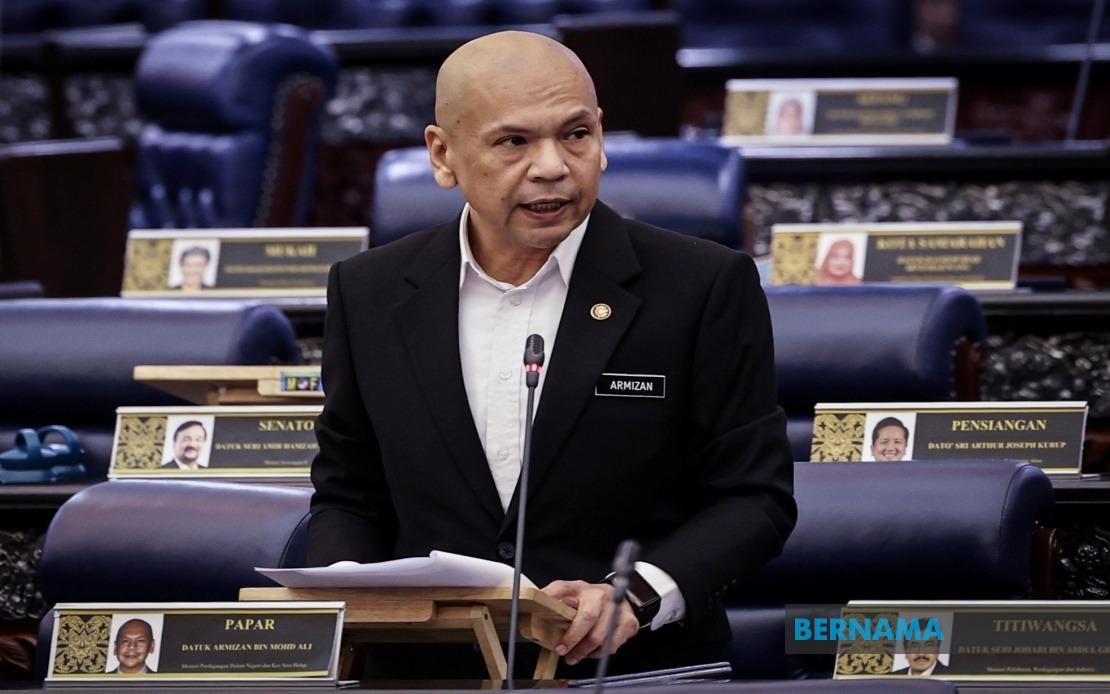
Datuk Armizan Mohd Ali, Minister of Domestic Trade and Cost of Living and Member of Parliament for Papar, highlighted how the Tabung Haji controversy has evolved into a polarized dispute with various parties trading allegations of slander and defamation. He observed that this acrimonious environment has left ordinary Malaysians confused about the actual facts, creating space for misinformation to flourish. Armizan argued that independent enforcement agencies must step in to cut through the noise and provide citizens with clarity grounded in evidence and legal principles.
The minister's remarks signal frustration among the ruling establishment at how the Tabung Haji scandal has become weaponized in political discourse. Rather than allowing the matter to devolve further into partisan finger-pointing, Armizan suggested that professional investigative bodies could restore public confidence by demonstrating impartial fact-finding. This approach aims to depoliticize what has become an increasingly contentious issue that threatens the credibility of institutions managing Muslim religious affairs and public funds.
Beyond investigation, lawmakers stressed the importance of implementing the RCI's 25 recommendations for institutional reform. As of late July, Tabung Haji had already implemented 75 percent of these suggestions, demonstrating responsiveness to the commission's critique. However, legislators insisted that all improvement measures must be rigorously evaluated to ensure they address root causes of mismanagement and strengthen the fund's governance structure for the long term.
Datuk Seri Nancy Shukri, Minister of Women, Family and Community Development, contributed a significant perspective on the organizational structure of Tabung Haji's oversight. She argued for maintaining the spiritual and administrative dimensions of hajj management under the Minister in the Prime Minister's Department handling religious affairs, while ensuring financial and investment matters remain with the Finance Ministry. This division of responsibilities, she contended, reflects rational specialization based on expertise and reduces bureaucratic duplication.
Nancy's comments reveal an implicit acknowledgment that institutional design played a role in the governance failures identified by the RCI. By separating religious administration from financial management, government officials believe each function can be executed by ministries with appropriate technical knowledge. The approach reflects international best practices where specialized agencies handle distinct portfolio areas rather than concentrating power in a single department prone to conflicts of interest.
A particularly contentious element of the RCI's critique involved political appointments to Tabung Haji's board of directors. Rather than calling for an outright ban on politically connected individuals, Nancy advocated a more nuanced standard. She argued that the critical question is not whether board members have political backgrounds, but whether they possess the integrity, qualifications, experience and competence to discharge their duties faithfully. Several politically appointed board members may indeed have met these criteria, she suggested, and dismissing their contributions solely on account of their political connections would be unfair.
Nancy's position attempts to carve middle ground between demands for depoliticization and the political reality that ministers often recommend party loyalists for prominent positions. However, her assertion that merit should be the primary criterion for board appointments implicitly acknowledges that political favoritism may have contributed to governance failures. She called for establishing specific, transparent criteria for director appointments, clear selection methodologies, and clearly defined areas of expertise required for each position to ensure merit-based decision-making.
The Royal Commission's investigation had examined Tabung Haji's operations during a period marked by global economic uncertainty and oil price volatility that affected investment returns. The 2014-2020 timeframe also encompassed significant changes in hajj administration and fund management strategies. Beyond identifying institutional weaknesses, the RCI's 25 recommendations are expected to provide a roadmap for preventing future crises and enhancing accountability mechanisms within the fund.
For Malaysian depositors who entrust savings to Tabung Haji for their pilgrimage journey, the RCI report's findings raised serious questions about how their funds are stewarded. The parliamentary debate reflects political consensus that restoring public confidence requires decisive investigative action coupled with genuine institutional reform. Without transparent enforcement of accountability measures and visible implementation of governance improvements, Tabung Haji faces continued reputational damage that could undermine public participation in the pilgrimage savings scheme.
The special parliamentary sitting provided legislators with a formal opportunity to scrutinize the RCI findings and signal to constituents that elected representatives are monitoring the government's response. This transparent public examination serves as a check on executive power and demonstrates Parliament's role in holding the administration accountable for managing public institutions effectively. The emphasis on independent investigation and professional enforcement reflects broader concerns about institutional integrity that resonate across Malaysian society.

