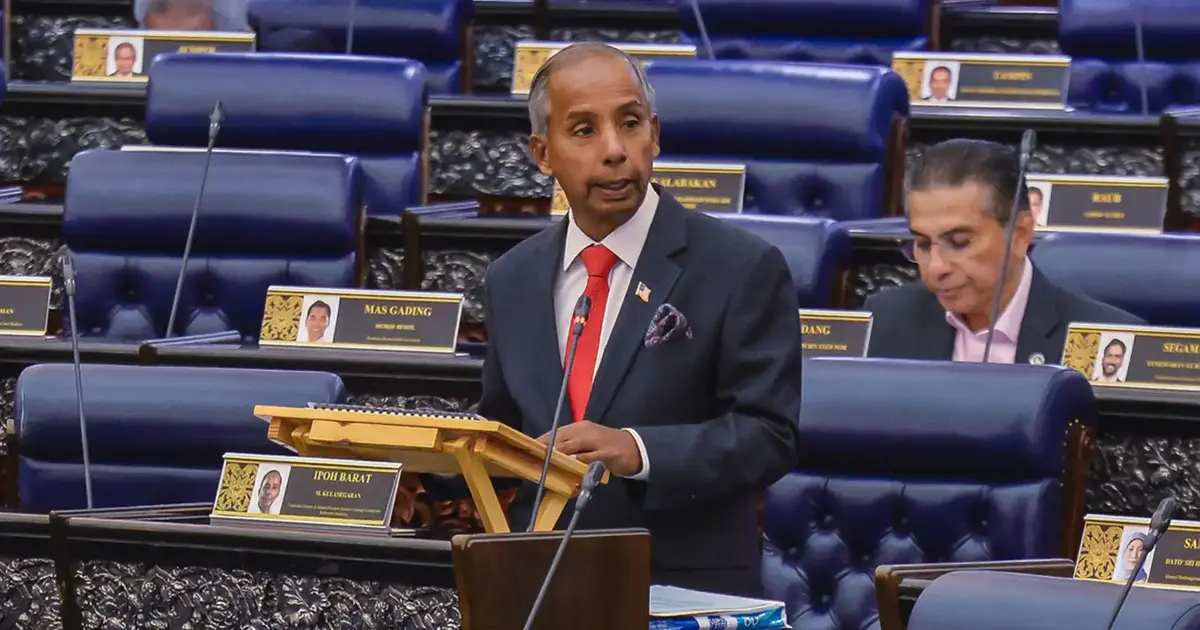
The possibility of parliamentary access to surveillance footage documenting the Taiping prison riot has emerged as a potential avenue for legislative scrutiny, contingent on approval from the Cabinet. Deputy Law and Institutional Reform Minister Kula indicated that elected representatives could be granted viewing rights to the security recordings, though this arrangement would require endorsement from the executive level before proceeding. The conditional nature of the proposed access reflects the delicate balance between transparency demands and legal procedural considerations affecting the incident.
The deputy minister's statement introduces a procedural pathway that could allow lawmakers to examine the visual evidence directly, rather than relying solely on written reports or official briefings about what transpired during the disturbance. This potential development signals openness within the Ministry towards enhanced parliamentary oversight of prison management and security operations, a domain traditionally considered sensitive given the operational and safety implications. However, the emphasis on Cabinet approval suggests that bureaucratic and political considerations must align before any such arrangement materialises.
Taiping prison occupies significant importance within Malaysia's correctional infrastructure, and any incident of violence or disorder there carries implications for the broader administration of the penal system. The riot represents a serious breach of institutional control that raises legitimate questions about facility management, staff training, and security protocols. Parliamentary interest in accessing the footage reflects heightened concern within the legislature regarding conditions and events within the nation's detention centres.
The deputy minister's invocation of ongoing court cases as a complicating factor reveals the intricate legal landscape surrounding the incident. Multiple judicial proceedings may involve evidence from the same incident, and permitting parliamentary access to CCTV material could theoretically impact how courts assess evidence or how legal arguments develop. This legal concern is not merely bureaucratic obstruction but reflects genuine procedural safeguards designed to preserve the integrity of criminal or disciplinary proceedings that may stem from the riot.
From a Malaysian governance perspective, the proposed arrangement represents a modest expansion of parliamentary access to executive matters. Legislatures in developed democracies routinely access sensitive materials for oversight purposes, typically through committee processes and with appropriate confidentiality protections. Singapore's Parliament, for instance, has mechanisms allowing examination of security footage in restricted sessions when public interest warrants scrutiny. Thailand and Indonesia have similarly evolved parliamentary oversight frameworks, though progress remains uneven across Southeast Asia.
The timing of this statement carries importance for Malaysia's ongoing institutional development. Pressure for greater legislative accountability has intensified following various incidents in public institutions, and the government's apparent willingness to consider CCTV access demonstrates responsiveness to parliamentary demands, even if conditioned on procedural hurdles. Whether Cabinet approval materialises will signal the administration's commitment to substantive oversight or merely gesture toward transparency while maintaining traditional secrecy.
For the 222 members of the Dewan Rakyat, direct access to footage would enable informed deliberation during parliamentary debates about prison conditions and institutional reform. Rather than relying on ministerial summaries or investigative reports, legislators could form independent judgements about what occurred. This capability strengthens parliamentary capacity to scrutinise executive function and holds particular value for opposition members who traditionally lack access to internal administrative materials.
The ongoing court proceedings referenced by the deputy minister likely encompass multiple legal tracks. Criminal charges against prisoners implicated in the riot, disciplinary measures against staff potentially negligent in preventing the incident, and possible civil liability considerations all create a complex judicial environment. Any parliamentary viewing of footage must therefore navigate carefully to avoid prejudicing judicial independence or contaminating the evidentiary record that courts require.
Institutional reform, the portfolio area mentioned in the deputy minister's title, signals government intention to address systemic weaknesses revealed by prison disturbances. Malaysian correctional facilities have periodically experienced violence, reflecting underlying pressures stemming from overcrowding, inadequate rehabilitation programming, and conditions affecting inmate dignity. Parliamentary scrutiny of security footage could identify specific systemic failures requiring legislative or administrative remedy, contributing to broader institutional improvement.
The Cabinet approval pathway, while potentially creating delay, also provides an opportunity for legal advisors to determine what safeguards should accompany any footage access. Confidentiality agreements, restricted viewing circumstances, prohibition on public disclosure, and limitations on derivative use of information could all be incorporated into a structured framework ensuring parliamentary oversight does not compromise judicial processes or operational security.
For regional observers, Malaysia's wrestling with this question reflects broader Southeast Asian tensions between transparency and institutional control. The Philippines, with its more assertive Congress, routinely demands access to sensitive materials, while Vietnam's National Assembly operates within tighter executive constraints. Malaysian practice positioning itself between these poles, acknowledging legitimate parliamentary interest while respecting institutional compartmentalisation.
The deputy minister's comments suggest that a decision point approaches. Cabinet consideration will determine whether this proposed access materialises, establishing precedent for future parliamentary access to security materials from government institutions. If approved, the arrangement could expand the practical scope of Malaysian parliamentary oversight, gradually shifting institutional culture toward greater external accountability. The ultimate outcome will reflect whether contemporary governance expectations for transparency outweigh traditional bureaucratic preferences for confidentiality.

