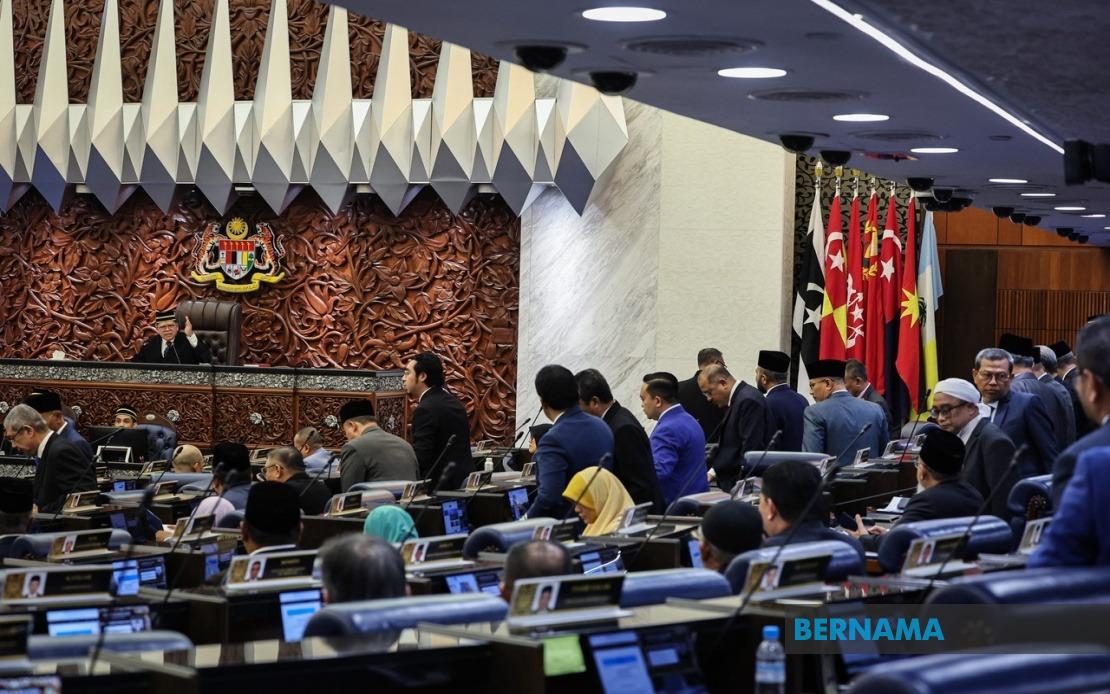
Parliament convened for a special sitting on August 11 to examine the Royal Commission of Inquiry findings into Lembaga Tabung Haji, moving to place the controversial pilgrimage fund management directly under public and legislative scrutiny. The session represented a significant moment for parliamentary accountability, with lawmakers from both government and opposition benches granted equal platform to engage with the RCI's conclusions and recommendations. Speaker Tan Sri Johari Abdul confirmed that the extraordinary sitting fulfilled constitutional requirements for transparent governance, emphasising the chamber's commitment to addressing public concerns about the management of funds belonging to Malaysia's Muslim pilgrims.
The special sitting operated under Standing Order 11(3) of the Dewan Rakyat's procedural framework, invoked following a formal request submitted by Prime Minister Datuk Seri Anwar Ibrahim. This procedural mechanism allows the Speaker to convene Parliament outside regular scheduled sessions when matters of significant national importance require urgent legislative attention and public debate. By authorising the sitting, Speaker Johari demonstrated adherence to parliamentary rules designed to ensure that extraordinary circumstances receive corresponding extraordinary parliamentary response. The move underscores the importance placed on the RCI's investigation into Tabung Haji's operations and financial management.
Speaker Johari emphasised that his decision to permit the sitting reflected constitutional obligation rather than discretionary choice. He explained that the Speaker's role, while wielding certain procedural powers, operates within clearly defined boundaries established by standing orders. When the Prime Minister formally submitted the request, it triggered the mechanism that obligated the Speaker to facilitate the sitting. This framework ensures that extraordinary parliamentary sessions cannot be arbitrarily summoned but instead require proper procedural justification and prime ministerial sponsorship. The Speaker's explanation highlighted how institutional checks and balances function within Malaysia's parliamentary system to prevent abuse while enabling responsive governance.
The decision to hold an open debate carries particular significance for Tabung Haji, which manages billions of ringgit in savings and investments belonging to approximately 8.8 million Malaysian Muslims. The fund's governance has been subject to mounting scrutiny in recent years, particularly regarding investment decisions, administrative costs, and the adequacy of financial returns to contributors. The RCI's investigation represented an attempt to comprehensively examine these concerns through an independent judicial inquiry, and the special parliamentary sitting ensured that findings would not be confined to bureaucratic channels but would receive full legislative examination and public exposure.
The parliamentary debate framework allowed lawmakers to question the RCI's methodology, challenge specific findings, propose remedial measures, and ultimately hold the government accountable for implementing necessary reforms. Opposition members gained formal opportunity to scrutinise government responses to the inquiry, while government benches could explain planned corrective actions. This cross-examination dynamic, characteristic of parliamentary debate, serves as crucial quality control mechanism for executive responses to independent investigations. The transparency achieved through public parliamentary debate distinguishes this approach from purely administrative handling of the RCI report.
For Malaysian citizens and particularly Tabung Haji contributors, the parliamentary debate provided assurance that their concerns about fund management would receive serious legislative attention. The pilgrimage savings fund carries both religious and financial significance, representing the savings aspirations of millions of Malaysians who plan to fulfil the Islamic obligation of hajj. Any mismanagement or inefficiency directly affects these personal plans and retirement savings. The public debate demonstrated that Parliament recognised this profound connection between institutional governance and individual welfare.
The RCI report itself followed years of concerns about Tabung Haji's performance relative to other regional Islamic investment funds and domestic savings vehicles. Questions about investment strategy, management fees, and the fund's ability to generate returns that matched inflation or competing investment options had prompted calls for comprehensive review. The royal commission provided the mechanism for such review, and the parliamentary sitting ensured that recommendations would not disappear into bureaucratic implementation processes but would be subjected to public and legislative examination.
Speaker Johari's statement also reflected broader parliamentary emphasis on transparency and good governance principles that have gained prominence across Southeast Asian democracies. In an era of increasing public demands for accountability from institutions managing collective resources, legislatures have recognised that closed-door handling of major inquiries risks legitimacy concerns. Public debate, even when controversial or contentious, builds confidence that systems are functioning as intended and that public interest ultimately guides institutional responses. The Malaysian Parliament's approach aligned with global best practices in parliamentary oversight of major institutional reviews.
The sitting's significance extended beyond immediate questions about Tabung Haji management to encompass broader questions about parliamentary democracy's capacity to respond to institutional crises. By granting all MPs ample opportunity to engage substantively with the RCI findings, Parliament demonstrated commitment to consultative rather than unilateral governance. This approach proved particularly important given Tabung Haji's fundamental role in Islamic financial infrastructure and its relationship to religious observance. Decisions affecting the fund required not merely technical competence but political legitimacy derived from broad parliamentary consensus.
Looking forward, the parliamentary debate would ultimately shape implementation of RCI recommendations, potentially affecting Tabung Haji's organisational structure, governance mechanisms, investment strategy, and regulatory oversight. Lawmakers' contributions during debate would create a legislative record that would guide subsequent reforms and could provide basis for future accountability measures. The transparency achieved through open debate contrasted sharply with alternative approaches relying primarily on executive action, offering stakeholders greater confidence that reform processes reflected genuine commitment to addressing identified deficiencies rather than merely cosmetic adjustments to maintain institutional appearances.
For Southeast Asian observers and analysts of Islamic financial institutions, Malaysia's approach demonstrated how democracies could balance religious institutional autonomy with public accountability principles. The debate reflected recognition that institutions managing collective resources, particularly those serving religiously significant functions, must operate according to standards that satisfy both community trust and professional financial management criteria. The parliamentary sitting thus contributed to regional conversations about Islamic finance governance and the relationship between religious authority and democratic accountability.

