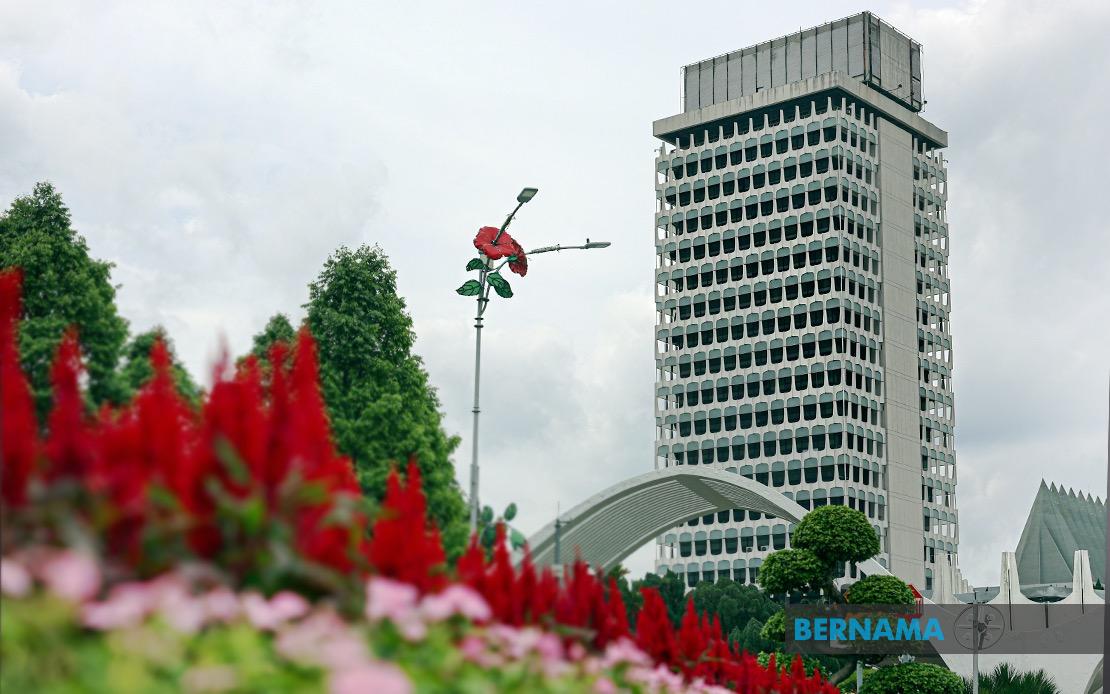
Lawmakers across government and opposition benches united on Wednesday in their demand for swift legislative action on Tabung Haji, Malaysia's pilgrimage savings institution, signalling rare bipartisan concern over how political appointment powers have undermined what should be a purely financial operation serving millions of depositors. During a special parliamentary sitting to debate findings from the Royal Commission of Inquiry, MPs emphasised that amendments to the Tabung Haji Act 1995 were not merely housekeeping matters but essential safeguards to restore public confidence in an institution that holds the savings of ordinary Malaysians preparing for the hajj pilgrimage.
The core grievance centres on Section 10 of the Act, which grants the Minister sweeping authority to issue general directions to Tabung Haji's management. Datuk Shahelmey Yahya from Putatan argued that this concentration of ministerial power directly contributed to the governance failures that the RCI had documented over the 2014 to 2020 period. He contended that no financial institution can aspire to excellence when political considerations cloud the boardroom, and that removing this ministerial prerogative would liberate Tabung Haji to pursue decisions grounded in institutional performance and shareholder interests rather than cabinet directives. The political interference enabled by Section 10 has created a structural vulnerability where leadership appointments and investment strategies become subject to changing political winds rather than professional evaluation.
The RCI's investigation, made public on 29 July following government approval, identified 25 improvement areas and revealed significant operational and managerial deficiencies. As of late July, Tabung Haji had already implemented roughly three-quarters of these recommendations, yet lawmakers recognised that legislative backing would strengthen and entrench these reforms, making them resistant to reversal through ministerial whim. The amendments, they stressed, must be prioritised in the parliamentary calendar to give legal permanence to governance standards that currently rely on administrative goodwill. Tan Sri Muhyiddin Yassin called for comprehensive implementation including revisions to the legal framework, enhanced oversight from Bank Negara Malaysia, and establishment of an independent investment committee to ensure Syariah-compliant portfolio management.
Board appointments emerged as another critical flashpoint. Multiple MPs highlighted that directors should be selected purely on merit and professional credentials, free from political patronage. Syed Saddiq Syed Abdul Rahman from MUDA stressed that institutionalising a transparent, merit-based appointment process would prevent the recurrence of governance weaknesses that had previously compromised the institution. Mohamad Shafizan Kepli underscored the duty to protect ordinary depositors, many of whom have accumulated savings over decades in the expectation that Tabung Haji would safeguard and grow their wealth for one of the five pillars of Islam. When political figures occupy board seats, conflicts of interest naturally arise, potentially placing personal or party agendas ahead of fiduciary responsibility to depositors.
The participation of both government and opposition MPs in this debate revealed that Tabung Haji's governance challenges transcend partisan divides. While the RCI report itself may have been contentious in its genesis, the subsequent parliamentary consensus on remedial action suggests lawmakers recognise the reputational and financial damage that poor governance at a major Islamic financial institution inflicts on Malaysia's standing in international finance. Datuk Azman Nasrudin, Young Syefura Othman, Datuk Seri Hasni Mohammad, and Datuk Mohd Suhaimi Abdullah all raised similar concerns about the toxic mix of politics and professional management that had destabilised the institution. This unanimity is significant in a parliament often fractured along coalition lines, indicating that the issue resonates as fundamentally about institutional integrity rather than partisan advantage.
For Malaysian readers and depositors, the implications are considerable. Tabung Haji manages savings for millions of Muslims planning pilgrimage, representing a sacred trust both religiously and financially. The revelations of governance failings between 2014 and 2020 will have shaken confidence among contributors who believed their money was being handled with appropriate diligence. Expedited legislative reform sends a signal that parliament takes these breaches seriously and is willing to restructure the institution's legal foundation to prevent recurrence. The proposed amendments also align with broader international standards for financial regulation, where independent boards and insulated from political direction are considered best practice for safeguarding public deposits and maintaining systemic integrity.
The regional context adds weight to these concerns. Southeast Asian financial institutions have periodically stumbled when political interference compromises professional management, and Malaysia has opportunity to demonstrate that it can self-correct through institutional reform. The RCI process itself, though delayed and sometimes politically charged, has produced documented findings that now enjoy legislative endorsement for remedy. This creates accountability not just for past officials but for the political system itself to deliver on the promised amendments rather than allowing the issue to fade from parliamentary focus once the immediate controversy subsides.
The pathway forward requires coordination between the government and regulatory authorities. Bank Negara Malaysia's enhanced oversight role, as proposed by Muhyiddin, would add another layer of professional scrutiny independent of ministerial discretion. Investment committees structured with fiduciary integrity requirements and Syariah advisory expertise would restore the institution's credibility in Islamic finance circles. Amending Act 535 to clarify that board chairs and directors must be appointed by an independent committee rather than ministerial fiat would fundamentally rebalance power from politics toward professionalism. These are not trivial technical adjustments but transformative changes that would remake how Tabung Haji operates.
The urgency expressed across parliamentary benches suggests that amendments should be prioritised in the current legislative session rather than deferred. Delaying law reform risks signalling that parliament views the RCI recommendations as a box-ticked exercise rather than genuine commitment to systemic change. MPs repeatedly emphasised that depositors must not become victims of governance negligence, a phrase that captures the moral weight underlying the technical legislative proposals. For millions of Malaysian Muslims who have entrusted Tabung Haji with their pilgrimage savings, swift and comprehensive legal reform represents the most concrete assurance that lessons from 2014 to 2020 have been absorbed and institutionalised.

