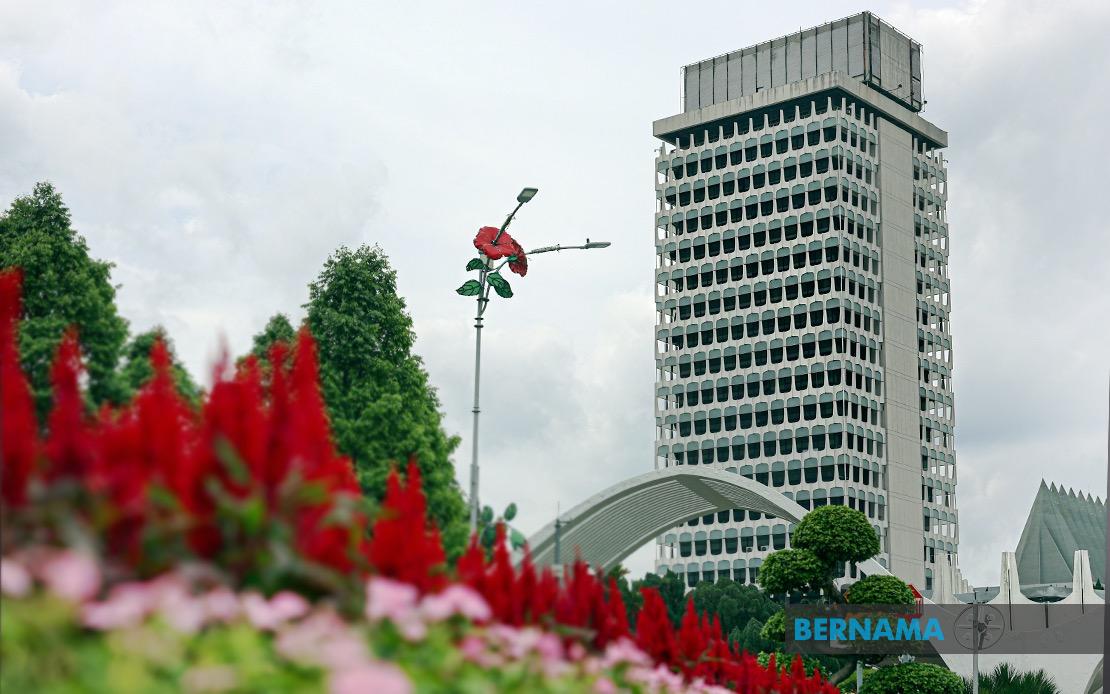
Malaysia's Parliament is set to grapple with three critical national and international policy challenges today as lawmakers gather for a 16-day sitting that runs through July 16. The legislative agenda encompasses fundamental questions about the nation's diplomatic standing at the United Nations, the looming threat of agricultural instability, and vulnerabilities in the Malaysian Armed Forces' dependency on foreign suppliers. These interconnected issues reflect growing concerns within government circles about Malaysia's positioning in an increasingly unstable global order.
The question of United Nations Security Council reform has emerged as a matter of particular importance for Malaysian foreign policy. Datuk Seri Sh Mohmed Puzi Sh Ali, representing Pekan, will press the Foreign Minister to articulate a comprehensive strategic framework for advancing institutional reform within the UN system. Malaysia's position on this question carries significance beyond Kuala Lumpur. As a nation that has historically advocated for greater representation of developing countries in international institutions, Malaysia's voice in these debates influences broader regional conversations about global governance. The reform question touches on a fundamental inequity: the concentration of vetoing power in the hands of five permanent Security Council members effectively silences smaller nations when their interests collide with those of established powers. This structural imbalance has repeatedly prevented meaningful international responses to regional crises, from Myanmar to Palestine.
Parallel to diplomatic concerns, Parliament will examine the government's readiness to confront an anticipated food supply crisis. Shaharizukirnain Abd Kadir of Setiu will interrogate the Agriculture and Food Security Minister on whether adequate contingency planning exists to cushion Malaysia against projected shortfalls. This question arrives against a backdrop of mounting agricultural input costs directly attributable to volatility in West Asian geopolitics. Rising fertiliser prices, supply chain disruptions for seeds and equipment, and labour availability challenges have squeezed the profit margins of Malaysian farmers, particularly those in states traditionally oriented towards domestic food production. The government's challenge lies not merely in crisis response but in bolstering incentive mechanisms that make farming economically viable for smallholders and medium-scale producers.
The food security question resonates with particular urgency for Southeast Asia, where population growth, climate variability, and competing demands on arable land create genuine scarcity concerns. Malaysia's domestic food self-sufficiency ratio remains a strategic vulnerability. Should global supply chains fracture further, domestic production capacity becomes a matter of national security. The minister's response will reveal whether the government possesses realistic timelines for achieving meaningful improvements in agricultural self-reliance, or whether current policies amount to aspirational rhetoric unsupported by funding and implementation capacity.
A third dimension of Parliament's agenda addresses military supply chain fragility. Datuk Awang Hashim of Pendang will question the Defence Minister about the extent to which reliance on foreign defence suppliers constrains Malaysia's ability to plan long-term strategic asset development. This inquiry touches on a persistent tension in Malaysian defence policy: the need to acquire sophisticated military systems and the reality that few such systems can be manufactured domestically. Beyond acquisition, disruptions in spare parts supplies, maintenance service delays, and cancelled contracts have historically impaired the Malaysian Armed Forces' operational readiness. The cumulative effect of these logistical obstacles extends beyond mere inconvenience, potentially affecting the military's capacity to respond to security contingencies.
The defence supply question gains added weight when examined through the lens of regional security competition. As neighbouring nations modernise their armed forces and expand military capabilities, Malaysia faces pressure to maintain comparative readiness. Yet excessive dependence on distant suppliers undermines that objective. The government must navigate between the imperatives of fiscal discipline, technological advancement, and supply chain resilience—a triangulation that defies easy resolution.
Energy policy forms a fourth dimension of today's parliamentary agenda. Rodiyah Sapiee, representing Batang Sadong, will ask the Science, Technology and Innovation Minister to explain how the government intends to coordinate national energy policy to nurture a green hydrogen industry. The specific focus on Sarawak's aspirations to become Southeast Asia's green hydrogen hub reflects both genuine resource advantages and economic diversification imperatives. Sarawak possesses abundant hydroelectric capacity and natural gas reserves, providing feedstock for hydrogen production. Yet realising this ambition requires coordinated effort between federal and state authorities, investment in research and development, and creation of export markets.
The green hydrogen question carries implications beyond energy. It signals Malaysian commitment to energy transition and positions the country within global decarbonisation frameworks. Investors evaluating Southeast Asian locations for clean energy manufacturing consider not merely resource endowments but also policy consistency and government-industry coordination. Sarawak's hydrogen aspirations could anchor broader regional leadership in clean technology within ASEAN.
Parallel to these questioning sessions, Parliament will receive seven government Bills at first reading, including amendments to the Communications and Multimedia Act and the Malaysian Communications and Multimedia Commission Act, alongside the Social Work Profession Bill 2026. These pieces of legislation address modernisation of Malaysia's regulatory frameworks for digital communications and formalisation of professional standards in social work. The Communications and Multimedia amendments likely respond to evolving technological landscapes and require alignment of regulatory approaches with digital innovation. Following these introductions, the House will resume debate on the Control of Paddy and Rice (Amendment) Bill 2026, with the relevant minister delivering closing remarks.
The concentration of these diverse policy matters within a single parliamentary session underscores the complexity of contemporary governance. From international institutional reform through food security and defence procurement to energy transition, Malaysia's policymakers must coordinate across multiple domains while managing fiscal constraints and competing stakeholder interests. The quality of parliamentary scrutiny applied to these questions, and the government's responsiveness to legitimate concerns, will shape Malaysia's capacity to navigate the uncertainties of the coming decade.

