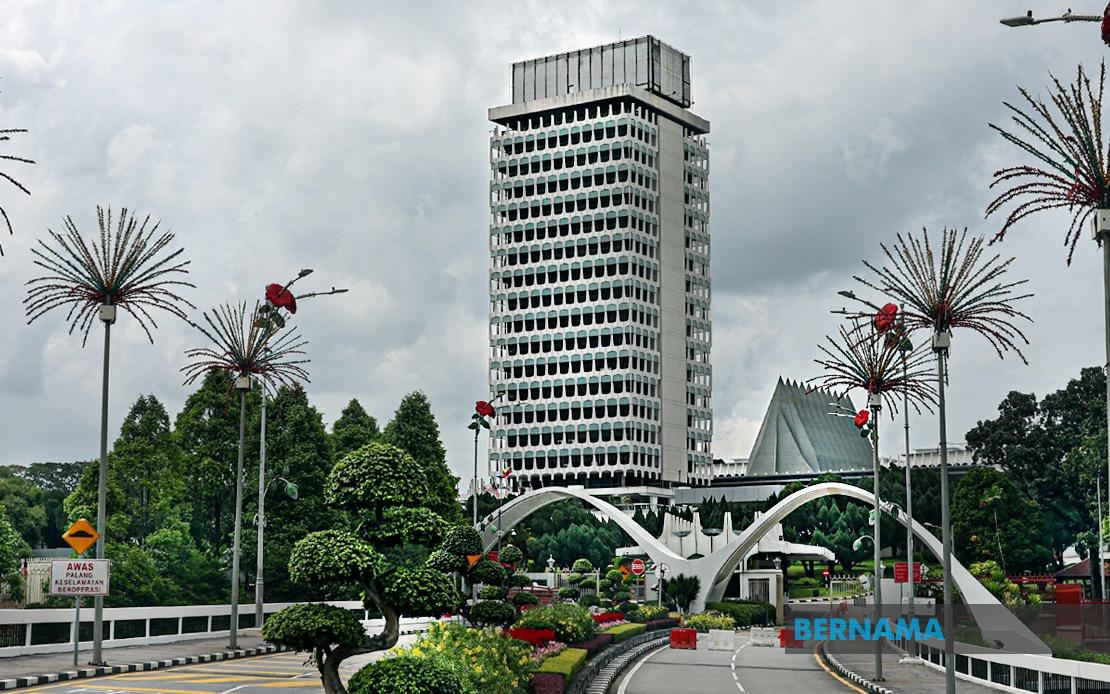
Malaysia's Parliament is preparing to tackle three significant policy areas as the Dewan Rakyat convenes for what will be a 16-day sitting extending through July 16, with lawmakers set to scrutinise government initiatives spanning water infrastructure, market competition oversight, and digital safety regulations.
Water security remains a pressing concern in Johor, a state that has grappled with periodic supply constraints despite its geographic advantage. During Question Time, Suhaizan Kaiat from the Pakatan Harapan coalition representing Pulai will press the Energy Transition and Water Transformation Minister to elaborate on the government's comprehensive roadmap for bolstering the state's water resource capacity. The questioning will focus particularly on tangible infrastructure developments, including planned dam construction projects and the expansion of water treatment facility networks across the state.
Beyond traditional supply expansion, the minister is expected to address the growing role of recycled water in meeting demand pressures. This reflects a global shift toward water-use efficiency and sustainability, particularly relevant to Southeast Asia where rapid urbanisation and industrial growth strain existing resources. For Malaysia, where water scarcity episodes have previously disrupted manufacturing and household supply, demonstrating a credible long-term strategy carries both economic and political significance. The emphasis on recycled water technology suggests recognition that conventional sources alone cannot sustain projected demand growth in Johor's industrial and residential sectors.
Parallel concerns about market competition will emerge through questioning directed at the Domestic Trade and Cost of Living Minister. Datuk Seri Ismail Abd. Muttalib, a Perikatan Nasional member representing Maran, will interrogate the ministry's strategy for equipping the Malaysia Competition Commission with sufficient tools and resources to monitor housing market activities. This line of enquiry reflects mounting public frustration with property price volatility and opacity in residential transactions, issues that resonate across Malaysia's middle-income households increasingly priced out of urban property markets.
The questioning will delve into the mechanics of MyCC's investigative capacity, specifically how effectively the commission detects and prosecutes anti-competitive conduct such as price-fixing arrangements or coordinated market manipulation among developers and agents. Housing affordability has emerged as a political flashpoint nationwide, with young Malaysians and first-time buyers struggling to access ownership in major metropolitan areas. Parliament's focus on competition enforcement signals acknowledgment that market fundamentals alone have failed to produce affordable supply, and that regulatory intervention may be necessary to ensure fair pricing mechanisms.
A third dimension of contemporary governance will occupy Parliament's attention through questions on digital regulation and child protection. Syahredzan Johan, representing Bangi under the Pakatan Harapan banner, will seek clarity from the Communications Minister regarding the implementation framework for age verification systems on social media platforms. This inquiry addresses the intersection of consumer protection, privacy rights, and youth safety—increasingly contentious terrain globally as platforms face mounting pressure to exclude minors from adult-oriented content and data-harvesting practices.
The implementation of age verification raises complex practical and privacy questions that extend well beyond Malaysia's borders but carry particular weight in a diverse, digitally-connected nation. Syahredzan's questioning will probe how the government intends to prevent mission creep, ensuring that licensed service providers receive only minimal, proportionate access to personal data attributes necessary for age confirmation. The emphasis on data deletion protocols reflects international best practice and Malaysia's emerging regulatory sophistication around personal information protection.
These parliamentary inquiries collectively illustrate evolving priorities within Malaysian governance: managing resource scarcity through innovation and planning; protecting consumer interests through competition oversight; and regulating digital markets to safeguard vulnerable users. Each reflects pressures that transcend party politics, touching on infrastructure reliability, cost-of-living pressures, and social cohesion concerns affecting daily Malaysian life.
The Dewan Rakyat's 16-day session provides a structured forum for scrutinising executive performance across these domains, with the Order Paper indicating substantive engagement rather than ceremonial posturing. Water security, housing affordability, and digital safety each carry implications extending far beyond parliamentary debate into lived experience across Malaysian households and businesses, making these inquiries politically resonant and consequential for government credibility and policy direction.

