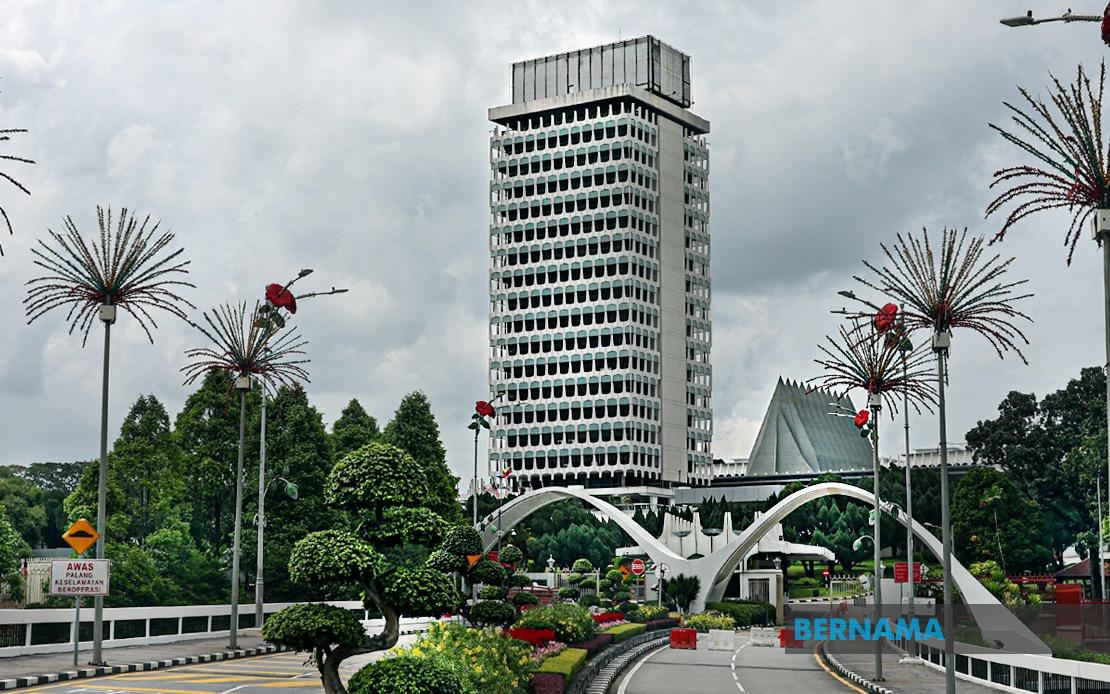
Parliament convenes today to scrutinise two pressing national concerns: the ripple effects of Middle Eastern instability on Malaysia's tourism industry and the security preparedness of Langkawi against transnational trafficking operations. The extended parliamentary session, running until July 16, signals government acknowledgement of mounting regional pressures that demand legislative attention and ministerial accountability.
The geopolitical dimension comes into sharp focus with Dr Ahmad Fakhruddin Fakhrurazi's parliamentary question directed at the Tourism, Arts and Culture Minister. The Kuala Kedah representative seeks clarity on how ongoing West Asian turmoil has specifically impacted visitor flows from traditional source markets—the Middle East, Europe, and West Asia itself—which collectively represent significant revenue streams for Malaysia's hospitality sector. This inquiry reflects genuine anxiety within the tourism industry about market volatility. The instability has already prompted travel advisories from several nations, discouraged bookings from risk-averse European and Middle Eastern tourists, and created uncertainty for tourism operators who depend on predictable seasonal patterns. Beyond diagnostic questions, the minister faces pressure to articulate concrete strategies for sustaining momentum despite external shocks, including possible diversification towards Asian markets less affected by geopolitical tensions.
Langkawi's strategic vulnerabilities command equally serious parliamentary attention. Situated proximate to maritime boundaries with Thailand and facing exposure to persistent transnational criminal networks, the island has emerged as a critical vulnerability point in Malaysia's border security architecture. Datuk Mohd Suhaimi Abdullah's pointed questions to the Home Minister probe whether existing security infrastructure and personnel possess adequate capacity to combat sophisticated smuggling operations—particularly those involving human trafficking and illicit goods movement. The parliamentary pressure specifically targets drone deployment as a technological solution, referencing previous applications that appear to have stalled. Unmanned aerial vehicles represent a potential game-changer for maritime surveillance, offering persistent observation capacity across expansive territorial waters that traditional patrol methods struggle to cover effectively. The delay in operationalising this capability, if confirmed, signals either bureaucratic constraints or resource limitations that Parliament now demands be resolved.
The questioning reflects broader Southeast Asian patterns wherein island communities and border regions experience disproportionate exposure to transnational crime. Langkawi's proximity to established trafficking corridors, combined with its role as a legitimate tourism hub, creates a complex operational environment where security agencies must simultaneously facilitate economic activity and intercept criminal movements. The presence of controlled goods smuggling alongside migrant trafficking suggests organised criminal syndicates operating with sophisticated logistics networks. Parliamentary scrutiny may catalyse action on stalled modernisation initiatives.
Conservation challenges intersect with rural safety in the parliamentary agenda through Manndzri Nasib's questions regarding human-elephant conflict mitigation. The additional Ecological Fiscal Transfer funds represent dedicated government investment in wildlife management, yet their effectiveness remains subject to verification. Electric Fencing for Elephants technology offers promising prospects for protecting both agricultural communities and elephant populations, yet deployment remains uneven across affected regions. The parliamentary inquiry demands ministerial accountability for intersectoral coordination, particularly between the Natural Resources and Environmental Sustainability Ministry and relevant agencies managing rural development and community safety. Expansion of SPEG infrastructure could significantly reduce fatal human-wildlife encounters that plague communities in Peninsular Malaysia's forested regions.
Housing accessibility for younger Malaysians emerges as a third parliamentary focus through Datuk Willie anak Mongin's housing ministry questions. Disaggregated data on unsold affordable housing units by state and price category could expose significant regional disparities in supply-demand alignment. The emphasis on ownership rates among sub-35 demographic cohorts reflects parliamentary concern about intergenerational wealth accumulation and social stability. Youth housing affordability has emerged as a politically sensitive issue across Southeast Asia, with Malaysia's younger voters expressing frustration about entry-level property costs relative to wage growth. Comprehensive parliamentary data may either validate or refute claims of adequate affordable housing supply, potentially triggering policy recalibration.
Two legislative instruments advance during this sitting. The Sexual Offences against Children (Amendment) Bill 2026 signals parliamentary commitment to strengthening child protection frameworks, likely incorporating contemporary threats including digital exploitation. The Employment Insurance System (Amendment) Bill 2025 addresses worker protections within Malaysia's formal economy, reflecting post-pandemic reappraisals of social safety nets. Both measures suggest government recognition that existing legislative architecture requires updating to address evolved circumstances and emerging vulnerabilities.
The 16-day parliamentary sitting duration indicates the government has prioritised sustained legislative activity, departing from shorter sittings that characterise some recent sessions. Extended parliamentary terms theoretically permit more thorough debate and detailed scrutiny of government policies, though actual effectiveness depends on question quality and ministerial responsiveness. For observers monitoring Malaysian governance, this sitting presents opportunities to assess how Parliament functions as an accountability mechanism in addressing both immediate security pressures and longer-term structural challenges.
Regional implications deserve consideration. The geopolitical instability affecting Malaysia's tourism sector simultaneously influences other Southeast Asian nations dependent on Middle Eastern and European visitors. Coordinated regional responses addressing safety perceptions and market diversification could prove more effective than unilateral Malaysian initiatives. Border security discussions also resonate across Southeast Asia, where multiple nations confront transnational trafficking networks exploiting maritime vulnerabilities. Parliamentary acknowledgement of these challenges may foreshadow enhanced bilateral or multilateral cooperation frameworks addressing shared security concerns in the region.

