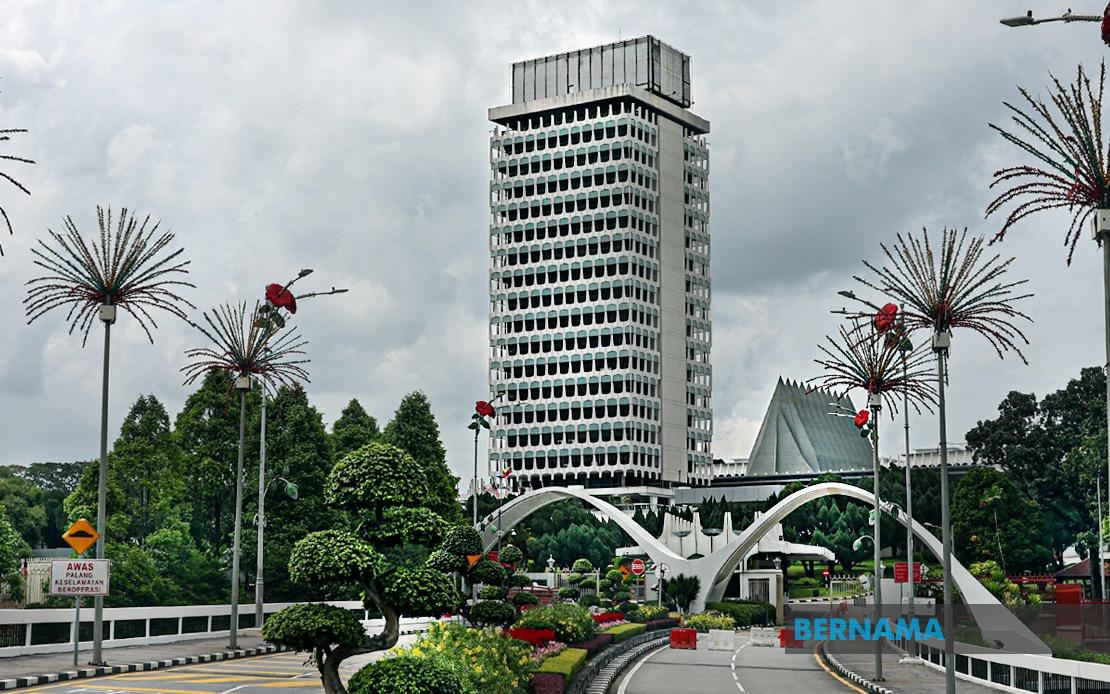
The Dewan Rakyat convenes today with a substantive agenda centring on three interconnected challenges facing Malaysia: the regulatory framework governing digital platforms, the security of students in educational institutions, and the economic fallout affecting small business operators across the country. The parliamentary sitting, part of the Second Meeting of the Fifth Session of the 15th Parliament, will run through July 16, providing legislators with ample opportunity to scrutinise government policy in these critical domains.
The Online Safety Act 2025 (Act 886) represents a cornerstone piece of Malaysia's digital governance architecture, yet significant work remains on its operational foundations. Rodziah Ismail from Ampang will press the Communications Minister during the question-and-answer session to elaborate on the development trajectory of 10 subsidiary instruments—encompassing regulations, guidelines, and supporting frameworks—that will translate the legislation's broad provisions into actionable standards for technology platforms and content creators. The inquiry will focus on understanding the regulatory objectives underpinning each instrument, the key provisions they establish, their intended scope of application, and most critically, the current development status as the government moves toward implementation. This line of questioning reflects broader parliamentary concern that legislative intent requires careful operationalisation to be effective in practice, particularly given the rapid evolution of digital technologies and the complexity of balancing free expression with community safety online.
Student welfare represents another acute concern commanding legislative attention today. Roslan Hashim from Kulim Bandar Baharu will question the Education Minister on comprehensive school safety protocols nationwide, seeking assurance that learning environments are adequately protected against multiple hazards ranging from physical accidents to bullying and other emerging threats. The question speaks to mounting public anxiety about student welfare, driven by periodic incidents of campus violence, cyberbullying, and inadequate safety infrastructure in some institutions. The government's response will need to address not only preventative measures and emergency response capabilities, but also the adequacy of resources allocated to school safety personnel, the effectiveness of anti-bullying initiatives, and coordination mechanisms between educational authorities and law enforcement agencies.
The economic pressures facing Malaysia's informal and small-business sectors have intensified due to cascading supply chain disruptions and elevated logistics costs stemming from the prolonged geopolitical tensions in West Asia. Datuk Andi Muhammad Suryady Bandy representing Kalabakan will urge the Finance Minister to detail immediate intervention measures designed to cushion small traders, hawkers, and the broader micro, small and medium enterprise (MSME) ecosystem from these external shocks. For Malaysian readers, this concern carries particular resonance given that MSMEs constitute the employment backbone of numerous communities, particularly in secondary cities and rural areas where formal job opportunities remain constrained. Any government support package will likely involve targeted credit facilities, temporary tax relief, or subsidies aimed at normalising transport and supply costs during the crisis period.
Transportation infrastructure development will also feature prominently during question time, with Datuk Seri Dr Wee Ka Siong from Ayer Hitam requesting a comprehensive update on the Johor Elevated Autonomous Rapid Transit (E-ART) project. This venture represents a flagship initiative for modernising urban mobility in Southeast Asia's second-largest economic zone, and parliamentary oversight ensures public accountability regarding timelines, budget adherence, and anticipated outcomes for commuters and businesses across the state.
Road safety mechanisms will attract scrutiny as Zakri Hassan from Kangar raises concerns regarding specific implementation approaches adopted by the Works Ministry. While the source material does not detail the exact measures under question, parliamentary debate on road safety typically encompasses speed enforcement technologies, accident prevention infrastructure, and adherence to international best practices in highway design and management.
Healthcare equity across Malaysia's federal territories and states will receive attention through a question from Datuk Shahelmey Yahya representing Putatan. The Health Minister will be asked to provide categorical assurance that ongoing fiscal adjustment policies—often necessitated by Malaysia's macroeconomic management requirements—will not compromise service delivery or capital development in public healthcare facilities throughout Sabah. This concern reflects the historical challenge of ensuring equitable resource allocation between Peninsular Malaysia and the East Malaysian states, where geographic isolation and lower population density create distinct financing challenges for maintaining comprehensive healthcare networks.
Cybersecurity considerations intersecting with social media regulation will emerge through Riduan Rubin's inquiry to the Home Affairs Minister. The Independent representative from Tenom will seek analysis of national cybersecurity risks that might accompany implementation of a proposed minimum age requirement of 16 for social media platform access. This question reveals the government's grappling with a tension inherent in digital age governance: protecting minors from online harms while managing the cybersecurity implications of age-verification systems that necessarily collect and process identity data at scale.
Beyond question time, Parliament will proceed with second reading of the Competition (Amendment) Bill 2026, tabled by the Minister of Domestic Trade and Cost of Living. This legislative step advances Malaysia's ongoing refinement of competition law frameworks, responding to evolving marketplace dynamics, digital commerce growth, and the government's stated commitment to preventing anticompetitive conduct that ultimately harms consumers and small competitors through unfair practices.
Collectively, today's parliamentary agenda reflects the multifaceted governance challenges confronting Malaysia as it navigates digital transformation, ensures institutional safety, manages external economic pressures, and optimises transport and healthcare systems. The quality of parliamentary scrutiny during question time and subsequent legislative debates will substantially influence whether government policies translate into tangible improvements in citizens' lives across digital safety, educational security, economic resilience, and public services quality.

