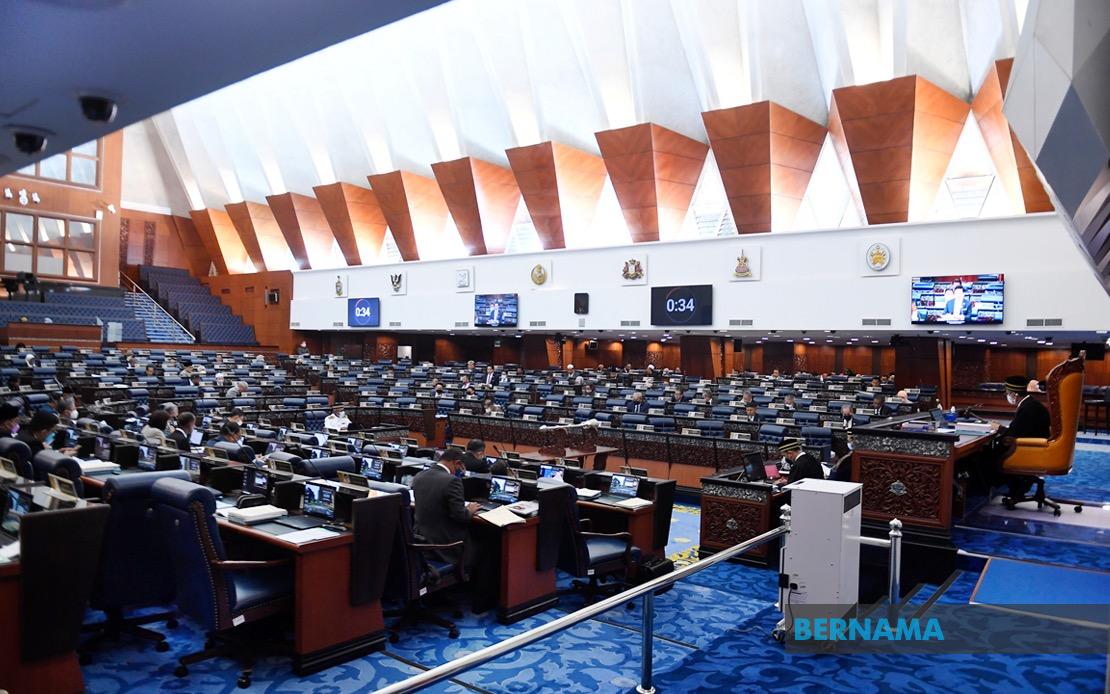
Malaysia's Dewan Rakyat is set to examine two matters of substantial concern to state administrations and voters alike: the equity of federal funding disbursements and the implementation of rules that prevent governments from announcing projects at politically sensitive times. These issues reflect ongoing tensions within the federal structure and the government's commitment to electoral integrity, subjects that will shape parliamentary discourse as the nation approaches state elections in Johor, Melaka, and Negeri Sembilan.
The allocation formula that determines how federal resources flow to state governments has become a flashpoint in parliamentary debate. Datuk Seri Doris Sophia Brodi, representing Sri Aman under the GPS banner, will press the Prime Minister to respond to contentions that the allocation system disadvantages certain states relative to the revenue they generate for federal coffers. This line of questioning reflects frustrations from states that feel their contributions to national tax revenue are not reflected proportionally in return funding. The MADANI Government's willingness to examine its allocation mechanism signals recognition that the current approach may require recalibration to maintain equity and state satisfaction.
The fairness of federal-state financial relationships carries implications beyond parliament. States control critical services including education, health delivery, and infrastructure within their boundaries, making adequate funding essential for their operational effectiveness. When state governments perceive that allocations are insufficient relative to their revenue contributions, political tensions can escalate and service delivery may suffer. For Malaysian voters, this question ultimately determines whether their state governments have adequate resources to maintain roads, support local development projects, and deliver essential services without resorting to unsustainable borrowing or user fees.
Equally significant is the enforcement of rules prohibiting government project announcements after election nomination day closes. Datuk Seri Dr Shahidan Kassim from PN will ask whether this prohibition remains binding and what concrete enforcement mechanisms exist to ensure compliance. This regulation attempts to level the electoral playing field by preventing incumbents from using the machinery of government to distribute announcements of popular projects immediately before voting, a practice widely perceived as leveraging state resources for electoral advantage. The specific focus on the upcoming state elections in three major states suggests legislators are concerned that enforcement may be inconsistent or insufficient.
The timing of this parliamentary attention reflects the approaching state elections and the political sensitivity surrounding them. By establishing clear enforcement commitments now, parliament signals intent to ensure that electoral competition occurs on terms perceived as fair by all competing coalitions. For Malaysian voters, this debate encapsulates broader questions about the use and abuse of state power during election periods, concerns that resonate across the country's diverse political landscape.
Beyond state-level concerns, parliament will address technological and social challenges facing the nation. The spread of artificial intelligence-generated deepfake videos represents a novel threat to information integrity that communications systems were not originally designed to counter. Datuk Seri Ismail Sabri Yaakob will seek assurances that the government is developing verification and labelling systems capable of flagging manipulated visual content before it spreads widely on social media platforms. This issue carries particular urgency in a region where false information can rapidly inflame communal tensions and where electoral periods create heightened vulnerability to coordinated disinformation campaigns.
Data centre expansion and artificial intelligence applications are emerging as major drivers of electricity demand in Malaysia, a trend that carries profound implications for power sector planning. Chong Zhemin will question the government about whether the electricity supply infrastructure can reliably serve this surging demand without creating new bottlenecks. The answer will influence Malaysia's competitive positioning in the regional data economy and the investment decisions of technology companies evaluating Southeast Asian locations. A nation unable to guarantee consistent power supply to data centres risks losing high-value economic opportunities to competitors with more robust infrastructure.
The parliament's agenda also reflects government priorities in social protection and labour force participation. Questions about the effectiveness of the mySalam scheme for the lowest-income households, the uptake of MADANI Book Vouchers, and the Career Comeback Programme underscore parliamentary concern with whether social safety net initiatives are genuinely reaching their intended beneficiaries. Datuk Mumtaz Md Nawi's focus on women's workforce re-entry specifically addresses labour force participation patterns that have been constrained by caregiving responsibilities, an issue with significant implications for female economic empowerment and household income stability.
The government's Program Jualan Rahmah MADANI, a retail initiative designed to ease cost-of-living pressures through direct price interventions, has become a touchstone for evaluating the administration's commitment to assisting lower-income Malaysians. Datuk Iskandar Dzulkarnain's question about implementation reach and potential expansion frequency indicates parliamentary recognition that cost-of-living concerns remain acute for many households despite various government interventions. The specific request for state-by-state implementation data suggests uneven rollout may be occurring, with some constituencies better served than others.
Following these Question Time exchanges, the Dewan Rakyat will advance substantive legislative work through winding-up debates on the Sexual Offences Against Children (Amendment) Bill 2026, consideration of amendments to the Employment Insurance System (Amendment) Bill 2025, and examination of the Cyber Crime Bill 2026. The child protection measure reflects parliamentary commitment to strengthening safeguards for vulnerable minors, while the employment insurance amendments represent the government's ongoing effort to modernise worker protection frameworks. The cyber crime legislation addresses the expanding threat landscape as digital crime becomes more sophisticated and costly for both individuals and institutions.
Collectively, today's parliamentary agenda demonstrates that Malaysian legislators are grappling with an expansive range of contemporary challenges spanning federal-state relations, electoral integrity, artificial intelligence governance, infrastructure adequacy, social protection effectiveness, and emerging criminal threats. These debates will help establish whether current policies and enforcement mechanisms align with stated government commitments or whether additional action is required to address persistent shortcomings in service delivery and equity.

