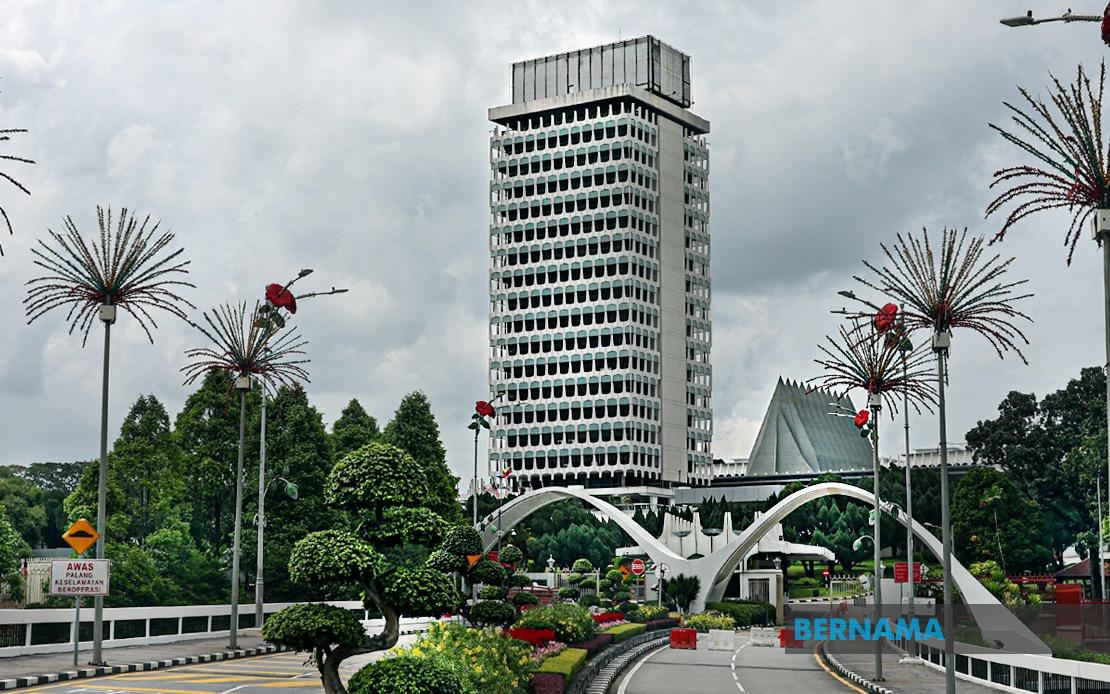
Malaysia's diplomatic positioning on an emerging US-Iran memorandum to resolve the military conflict engulfing West Asia will come under parliamentary scrutiny when the Dewan Rakyat convenes today, with lawmakers seeking clarity on how Kuala Lumpur plans to leverage the potential accord for regional stability. The question, lodged by Datuk Mohd Isam Mohd Isa from the Tampin constituency, reflects growing interest among legislators in understanding the government's strategic response to shifting geopolitical dynamics that have long threatened economic corridors and security arrangements across Southeast Asia. The Foreign Minister will be pressed to articulate not only Malaysia's assessment of the reported understanding but also concrete measures the nation intends to pursue in order to consolidate peace gains and prevent further destabilisation in a region vital to Malaysian commerce and regional balance.
West Asia's turbulent security environment has direct implications for Malaysia and its neighbours. Beyond the immediate humanitarian toll and displacement crises, prolonged conflicts in the Middle East constrain shipping routes, elevate energy prices, and create refugee flows that ripple across the Indo-Pacific. Malaysia, as a maritime trading nation with significant economic exposure to the region, has long sought to play a constructive mediating role through regional forums and bilateral engagement. The potential US-Iran memorandum signals a diplomatic opening that could reshape the strategic landscape, yet its durability and implementation remain uncertain. Parliamentary questioning will force the government to articulate whether Malaysia intends to support confidence-building measures, join collective security initiatives, or focus instead on protecting Malaysian commercial and diplomatic interests in the region.
Simultaneously, the Dewan Rakyat sitting will address the domestic economic agenda through questioning on the MADANI Mart initiative, a government programme designed to support micro and small enterprises while providing affordable goods and services to consumers. Datuk Rosol Wahid, representing Hulu Terengganu under the Perikatan Nasional banner, will seek detailed updates on the scheme's rollout, including the current number of operational outlets, applications received from aspiring vendors, and the demographic profile of entrepreneurs participating. This line of inquiry signals parliamentary concern with translating the MADANI development framework—the government's broader socioeconomic vision—into tangible benefits for small businesses and ordinary Malaysians. The effectiveness of such initiatives often hinges on accessible financing, regulatory simplification, and genuine market linkages, areas where implementation frequently encounters friction.
The MADANI Mart programme represents a government effort to democratise retail opportunity and reduce the cost-of-living burden for lower and middle-income households. By creating dedicated market spaces operated by small vendors, the initiative aims to bypass traditional supply chain markups while providing income-generating opportunities for individuals locked out of formal commercial sectors. However, the success of such initiatives depends critically on scale, location strategy, and integration with existing logistics networks. Parliamentary scrutiny of outlet numbers and entrepreneur participation will indicate whether the programme has moved beyond pilot phases into sustainable expansion, or whether implementation challenges have constrained growth. For Malaysian voters concerned with economic accessibility and small business viability, today's answers will offer early signals of whether the government's stated commitment to inclusive economic growth translates into measurable outcomes.
Further questioning will examine the government's response to the rising threat posed by synthetic drug abuse, particularly fentanyl, a synthetic opioid that has claimed tens of thousands of lives globally and is increasingly appearing in street drug supplies across Asia. Khoo Poay Tiong, the Kota Melaka representative from Pakatan Harapan, will press the Home Minister to disclose synthetic drug addiction case numbers since 2023 and articulate the government's strategic approach to prevention, treatment, and law enforcement. Fentanyl presents unique challenges compared to traditional narcotics because of its extreme potency—a tiny amount can prove lethal—and its widespread use as a cutting agent in heroin and other drugs, often without users' knowledge. Malaysia's geographic position as a transnational drug trafficking corridor makes this query particularly urgent. The government's preparedness to address this emerging public health crisis through integrated supply-side interventions, rehabilitation infrastructure, and harm reduction strategies will likely determine whether synthetic drug deaths accelerate or stabilise in coming years.
The rising prevalence of fentanyl in Malaysia reflects broader regional trafficking patterns centred on the Golden Triangle and Afghan production zones. Unlike previous waves of drug epidemiology, fentanyl's lethality and potency require fundamentally different law enforcement and public health responses. Treatment protocols designed for traditional opioid addiction often prove inadequate for fentanyl dependence, necessitating access to medication-assisted treatment, specialised counselling, and long-term case management. Parliamentary oversight of government strategy will test whether Home Ministry responses remain confined to traditional supply interdiction and arrests, or whether policymakers increasingly recognise that sustainable progress requires parallel investment in demand reduction and treatment capacity.
Malaysian trade relations with the United States will also feature in today's parliamentary questions, with Datuk Seri Hamzah Zainudin from Larut probing the status of the Agreement on Reciprocal Trade (ART) between the two nations. This bilateral accord represents a significant development in Malaysia-US economic relations, potentially influencing tariff schedules, sector-specific market access, and investment frameworks governing billions of dollars in annual bilateral commerce. The Minister of Investment, Trade and Industry will face questioning on implementation progress, timeline for full operationalisation, and anticipated benefits for Malaysian exporters and investors. Given the broader context of evolving US trade policy and growing protectionist pressures globally, Malaysia's ability to negotiate and execute reciprocal trade arrangements holds implications for broader regional economic integration and Malaysia's positioning within Indo-Pacific supply networks.
The ART implementation will directly affect Malaysian manufacturers and service providers seeking preferential access to the American market. Sectors including electronics, automotive components, petrochemicals, and precision instruments stand to benefit from tariff reductions or quota expansions, provided implementation procedures are transparent and administrative barriers remain manageable. Conversely, US firms similarly gain improved market access in Malaysia across financial services, technology, and agricultural products. Parliamentary scrutiny of the agreement's rollout will reveal whether anticipated commercial benefits are materialising or whether bureaucratic delays and regulatory misalignment are stalling mutual gains. For Malaysian businesses evaluating investment and production decisions, government clarity on the agreement's operational status offers critical guidance for strategic planning.
Beyond questions, the Dewan Rakyat will consider three amendments to existing legislation, namely the Prisons (Amendment) Bill 2026, the Competition (Amendment) Bill 2026, and the Competition Commission (Amendment) Bill 2026. The prison legislation update likely addresses operational procedures, rehabilitation programming, or administrative governance within Malaysia's correctional system, reflecting government priorities in criminal justice modernisation. The competition-related amendments suggest ongoing refinement of the regulatory framework governing market conduct, merger review, and enforcement authority mandates, potentially signalling government response to evolving digital economy practices or cross-border competition concerns. These legislative initiatives, though technical in character, establish foundational rules governing market function and incarceration systems that shape outcomes for businesses, workers, and vulnerable populations.
Today's parliamentary session encapsulates the multiplicity of challenges confronting Malaysian policymakers and legislators. Simultaneously navigating regional security dynamics, implementing inclusive economic programmes, addressing emerging public health threats, negotiating bilateral trade arrangements, and updating legislative foundations demands sustained legislative oversight and executive accountability. The quality of responses delivered by ministers today will influence public confidence in government competence and commitment to stated policy objectives across each domain. For Malaysian stakeholders—whether merchants participating in MADANI Mart, exporters navigating the US trade agreement, communities affected by synthetic drug epidemics, or observers tracking Malaysia's regional diplomatic engagement—parliamentary proceedings offer a rare window into government strategic thinking and implementation capacity.

