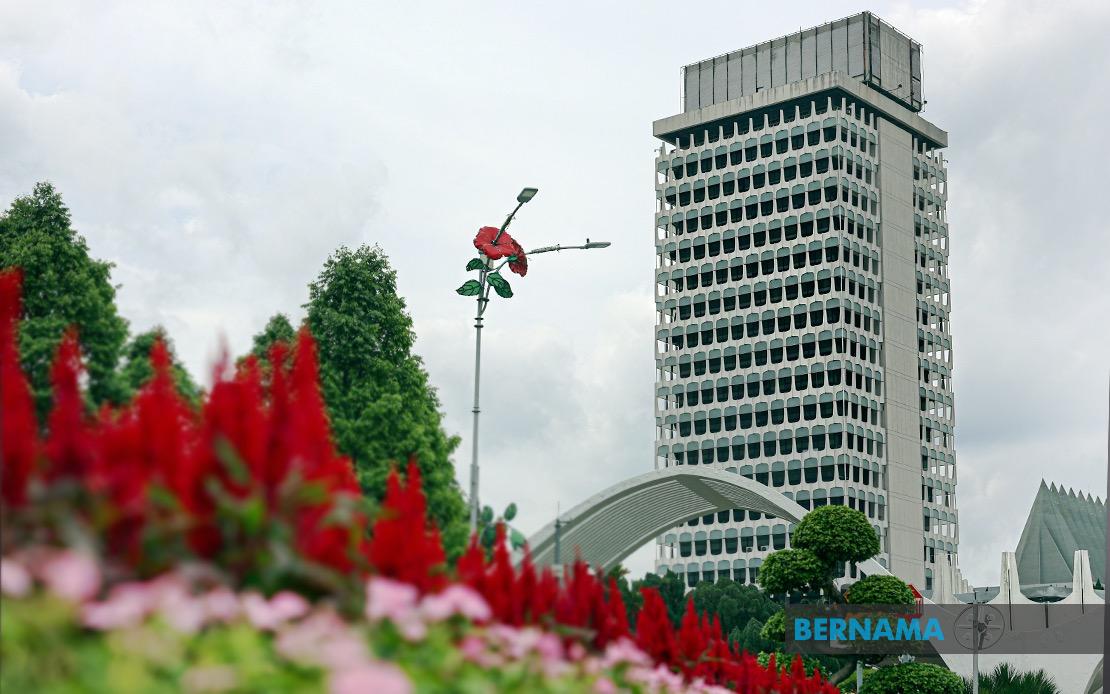
Parliament returns today to scrutinise three critical policy areas affecting Malaysia's economic resilience, security protocols and social stability. The Dewan Rakyat sitting will probe government preparedness for the looming El Niño phenomenon, probe safety lapses in armed forces training and examine strategies to counter religious extremism—issues that carry significant implications for Southeast Asia's largest Muslim-majority nation and its agricultural economy.
The El Niño question takes centre stage as Malaysia braces for potential drought conditions that could devastate the agricultural heartland. Bakti Jamaluddin, representing the Barisan Nasional backbench, will press Agriculture and Food Security Minister Johari Abdul Ghani to detail exactly how prepared the government is to withstand the climate disruption. El Niño episodes typically trigger water stress across the region, and Malaysia's reliance on rainfall for irrigation in paddy-growing states like Kedah, Perak and Selangor makes this vulnerability acute. The inquiry signals parliamentary concern that contingency measures—whether improved water storage infrastructure, crop diversification initiatives or strategic grain reserves—may be inadequate to shield the nation from supply shocks.
The question encompasses multiple dimensions of food security that interconnect with rural livelihoods. Beyond staple padi production, livestock farming communities depend on consistent feed supplies, while domestic consumers expect stable prices for essentials. Malaysia's food security sits at a crossroads between mounting population needs and climate volatility, making parliamentary oversight of irrigation planning, production forecasts and procurement strategies essential for public confidence. For a country that imports significant grain volumes, El Niño disruptions overseas compound domestic risks, requiring sophisticated supply chain management that parliament needs to verify is in place.
The second major issue concerns a hand grenade explosion during Malaysian Armed Forces training that has raised alarm about operational safety standards. Datuk Mohd Isam Mohd Isa will demand that Defence Minister Mohamad Sabu explain what triggered the incident and what corrective measures are being implemented across training facilities nationwide. Such accidents undermine public trust in military professionalism and suggest that standard operating procedures may not be uniformly observed or adequately enforced. The inquiry reflects broader concerns about whether the armed forces possess sufficient oversight mechanisms, proper equipment maintenance, and instructor accountability to prevent preventable tragedies.
Training mishaps carry strategic weight beyond immediate safety concerns. Military readiness depends on personnel who are both competent and confident in their operational environment. When accidents occur during peacetime exercises, they signal systemic gaps that could manifest dangerously during genuine operations. The Defence Ministry must demonstrate that this incident triggered genuine institutional learning—revised protocols, refresher training for instructors, equipment audits, and perhaps personnel accountability—rather than representing a isolated incident swept aside. Parliament's role is to ensure transparency about root causes and corrective action.
A separate parliamentary question addresses administrative and governance reforms needed at Kuala Lumpur City Hall following a feasibility study on the Federal Capital Act. Democratic governance requires that institutions serving millions of residents operate with integrity and efficiency. The Cheras MP's inquiry suggests that current structures may be inefficient or insufficiently accountable, necessitating reforms touching administration, integrity mechanisms and service delivery standards. This reflects broader frustration with bureaucratic performance that affects urban residents across Malaysia's major cities.
Religious extremism emerges as the third policy pillar under parliamentary examination. The challenge of containing deviant Islamic teachings—heterodox movements that deviate from mainstream Sunni orthodoxy—has preoccupied Malaysian authorities for years. Sabri Aziz will ask the government to detail both the magnitude of this challenge and the interventions being deployed to keep vulnerable populations within the mainstream faith community. Countering such movements requires nuanced approaches balancing security concerns with respect for faith communities, and parliament needs assurance that strategies move beyond enforcement toward genuine rehabilitative engagement.
The health sector will also receive scrutiny through questions about non-communicable disease trends. Datuk Dr Richard Rapu seeks updated statistics on diabetes and hypertension prevalence between 2024 and 2026, with particular focus on alarming increases among those under thirty. This demographic shift toward early-onset metabolic disease carries enormous public health and economic implications. Associated questions about the effectiveness of the War on Sugar campaign and sugar tax implementation probe whether public health interventions are delivering measurable results or whether consumption patterns persist despite fiscal deterrents. For a nation grappling with obesity rates among the highest in Southeast Asia, parliamentary scrutiny of intervention effectiveness remains essential.
The morning's debate occurs during what parliamentary officials indicate is the final sitting of the Second Meeting of the Fifth Session of Parliament's fifteenth legislature, which has spanned sixteen days. The National Trust Fund Bill 2026, scheduled for second reading by the Finance Minister, introduces another significant policy measure alongside these oversight questions. The cumulative agenda reflects parliament's role as both legislator and institutional watchdog, balancing new policy initiatives with accountability for existing government performance.
These parliamentary interventions matter because they create formal occasions where ministers must provide detailed, recorded responses to elected representatives. They establish public accountability mechanisms, generate documentation of government positions, and create opportunities for follow-up scrutiny if answers prove inadequate. For Malaysian citizens concerned about climate adaptation, military safety, religious tolerance, public health and urban governance, today's sitting offers visibility into how their representatives are pressing the executive to deliver competent administration and transparent decision-making.

