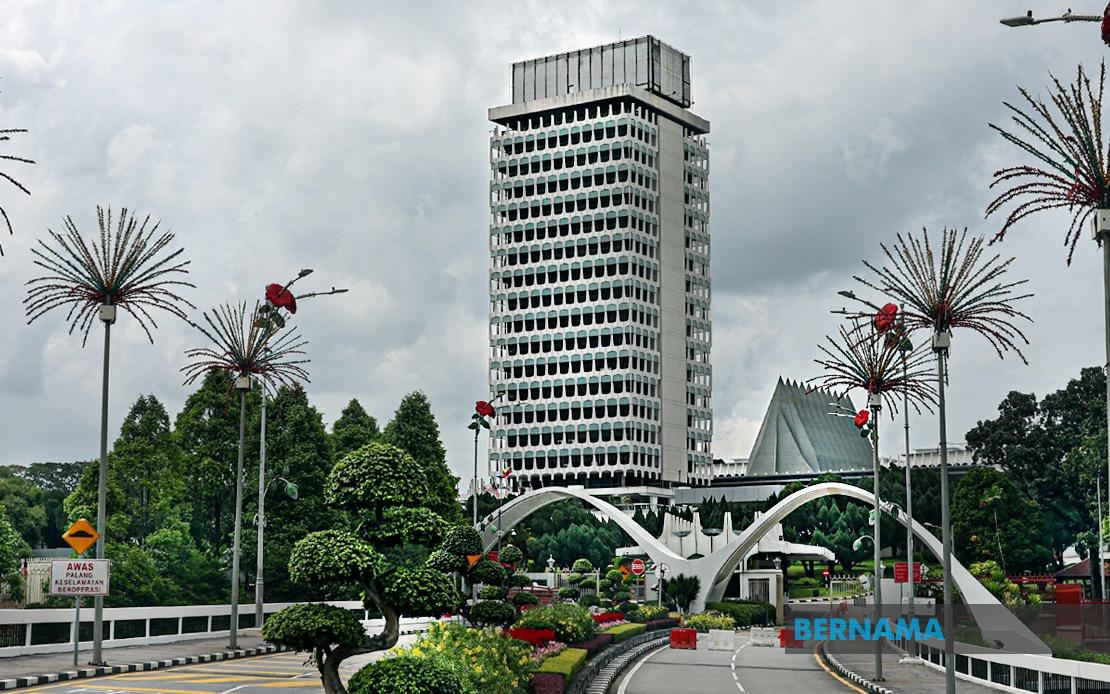
The Dewan Rakyat is expected to engage with two critical governance issues this morning that reflect growing anxieties within Malaysia's economic and civil society sectors. During the daily Minister's Question Time session, which commenced at 10 am, lawmakers plan to scrutinise the government's response to a dual crisis facing the nation's entrepreneurial backbone and its international standing on transparency and freedom of expression.
The state of small business financing has emerged as a pressing concern for parliamentary representatives across the political spectrum. Lee Chuan How, representing the Pakatan Harapan coalition from Ipoh Timor, will press the Prime Minister to acknowledge the escalating difficulties that micro, small and medium enterprises face when attempting to access credit facilities. For many Malaysian MSMEs, securing adequate funding remains a structural impediment to business expansion and survival, particularly in the aftermath of economic disruptions. The question reflects mounting frustration among entrepreneurs who argue that existing financial infrastructure, while theoretically accessible, operates with risk profiles and collateral requirements that disadvantage smaller players lacking established credit histories or substantial tangible assets.
Simultaneously, Malaysia's standing in international press freedom assessments has become a source of diplomatic and domestic concern. Ahmad Fadhli Shaari of the Perikatan Nasional coalition representing Pasir Mas intends to question the Prime Minister about the nation's decline to 95th position in the 2026 World Press Freedom Index, a notable slip from the 88th ranking achieved in the previous year. This deterioration in Malaysia's global perception regarding media independence carries implications beyond symbolic rankings. Lower press freedom classifications influence foreign investor confidence, academic partnerships, and the country's soft power positioning within international forums. The questioner will seek clarity on what government strategies are being implemented to reverse this trend and ensure that journalistic institutions can operate with sufficient autonomy to perform their democratic watchdog function.
The specific mechanics of MSME financing constraints warrant deeper examination within Malaysia's economic context. The traditional banking sector often exhibits risk-averse behaviour toward smaller enterprises, particularly those operating in sectors perceived as high-volatility or lacking formal governance structures. Alternative financing channels, including microcredit institutions and fintech platforms, have expanded in recent years, yet accessibility remains uneven across different states and business categories. The gap between the availability of capital and entrepreneurs' ability to access it at competitive rates represents a persistent drag on productivity growth and employment generation within the MSME segment, which collectively employs millions of Malaysians and contributes significantly to GDP.
Regarding media freedom, the underlying causes of Malaysia's declining ranking merit scrutiny beyond the numerical position itself. International assessments typically consider factors including legislative restrictions on press operations, documented instances of journalist harassment or detention, ownership concentration patterns, and government interference in editorial decisions. The downward trajectory suggests either deteriorating conditions or heightened international visibility regarding existing constraints. For Southeast Asia, where media independence varies considerably across the region, Malaysia's positioning carries comparative significance and may influence regional dialogues on governance standards.
Beyond these headline issues, the parliamentary agenda incorporates additional matters reflecting diverse constituency concerns. Aminolhuda Hassan, representing Sri Gading under Pakatan Harapan, will inquire whether the government contemplates establishing a dedicated financing mechanism targeted at religious institutions seeking to enhance accessibility for elderly congregants. Such infrastructure improvements, including wheelchair ramps and accessible sanitation facilities at mosques and suraus, represent practical measures to ensure inclusive community participation. This initiative reflects growing recognition that demographic shifts require proactive accommodation of older citizens within social and religious spaces.
The legislative schedule subsequently pivots toward institutional accountability, with the House scheduled to examine the 2024 Annual Report and Financial Statement of the Human Rights Commission of Malaysia, known as SUHAKAM. Parliamentary scrutiny of the human rights body's operations and resource allocation carries particular salience given Malaysia's international human rights commitments and domestic civil liberties concerns. SUHAKAM's effectiveness depends substantially on adequate funding, investigative independence, and government responsiveness to its findings and recommendations.
The parliamentary session will also advance consideration of the Constitution (Amendment) (No. 2) Bill 2026, which proposes to bifurcate the previously unified role of Attorney General and Public Prosecutor into separate institutional positions. This constitutional restructuring carries significant implications for the separation of powers doctrine and the operational independence of prosecutorial functions from executive influence. The reform addresses longstanding concerns about potential conflicts of interest when a single official simultaneously advises government on legal matters while directing criminal prosecutions. Debate resumption on this bill indicates sustained parliamentary engagement with institutional design questions affecting judicial independence and rule of law principles.
Collectively, today's parliamentary proceedings reflect Malaysia's navigation of interconnected governance challenges spanning economic inclusion, democratic transparency, religious accommodation, institutional accountability, and constitutional reform. Each issue resonates differently across Malaysia's diverse constituencies, yet together they illustrate the complex terrain of contemporary governance requiring balanced policymaking.

