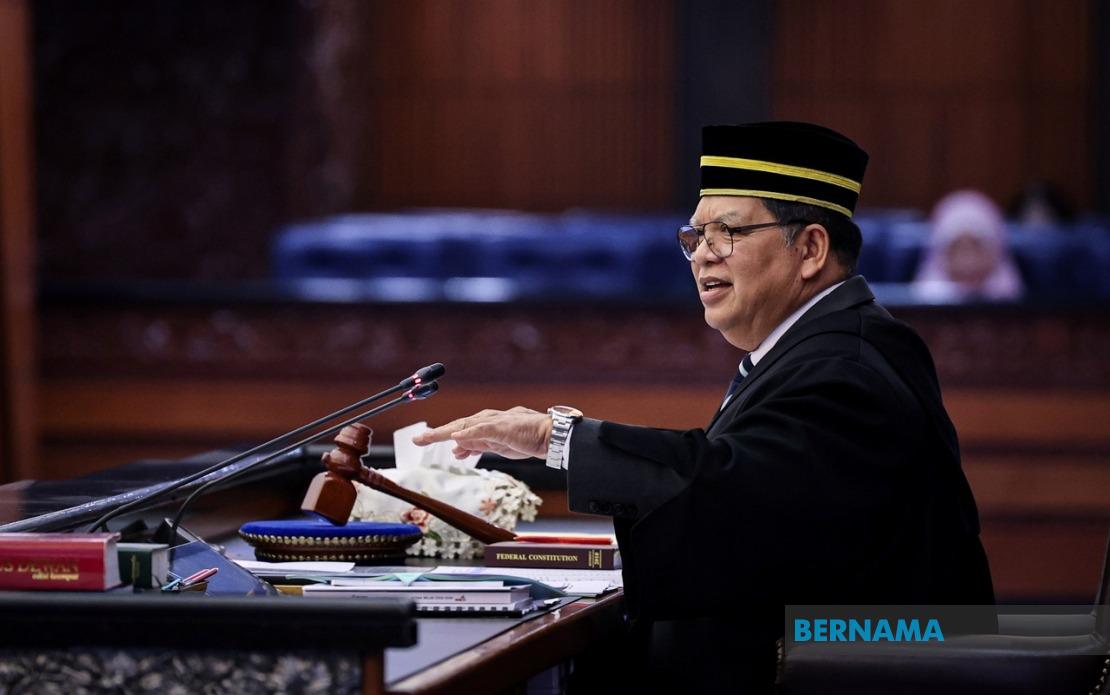
Parliament's second meeting of the current term concluded today following a busy 16-day legislative schedule that produced a substantial batch of new laws aimed at modernising Malaysia's legal framework across multiple sectors. The session, which commenced on June 22, saw the Dewan Rakyat pass a total of 13 bills alongside several procedural motions, signalling sustained legislative momentum even as the nation faces an anticipated general election period.
Dewan Rakyat Speaker Tan Sri Dr Johari Abdul marked the adjournment with remarks highlighting the breadth of legislative work completed. His address underscored the parliament's engagement not only with primary legislation but also with scrutiny mechanisms through ministerial briefings and committee reports, reflecting the institution's multifaceted role beyond simply passing laws.
Among the most significant measures approved was the Sexual Offences Against Children (Amendment) Bill 2026, reflecting continuing parliamentary focus on child protection and the strengthening of criminal law protections for vulnerable populations. Complementing this was the Cybercrimes Bill 2026, addressing the pressing challenge of digital crime in an increasingly connected Malaysia. These bills typify the government's attempt to modernise statutory frameworks to meet contemporary challenges that existing legislation struggles to address adequately.
Transport regulation received attention through passage of the Road Transport (Amendment) Bill 2026, part of ongoing efforts to enhance Malaysia's regulatory approach to a critical economic sector. The measure reflects broader concerns about road safety, vehicle standards, and the integration of emerging transport technologies into Malaysia's existing regulatory architecture. This sits within the context of Southeast Asia's growing motorisation and the safety and environmental implications that accompany rapid transport sector expansion.
Competition law underwent significant update with approval of both the Competition (Amendment) Bill 2026 and the Competition Commission (Amendment) Bill 2026, signalling the government's commitment to maintaining robust market frameworks. These complementary measures strengthen the legal tools available to competition authorities and modernise provisions governing market conduct, an area where Southeast Asian economies have increasingly recognised the importance of effective enforcement.
Agricultural regulation was addressed through the Control of Padi and Rice (Amendment) Bill 2026, reflecting Malaysia's ongoing efforts to manage its vital rice sector and support domestic food security objectives. Rice remains a strategically important commodity in Southeast Asia, and legislative refinement of regulatory frameworks demonstrates continued governmental attention to agricultural stability and farm sector sustainability.
The session also saw passage of the Witness Protection (Amendment) Bill 2026 and the Social Work Profession Bill 2026, the latter representing formal recognition and regulation of social work as a defined profession. This signals Malaysian policymakers' growing emphasis on professionalising the social services sector and establishing standards for practitioners working in an increasingly complex social landscape.
Communications regulation similarly received comprehensive treatment through passage of both the Communications and Multimedia (Amendment) Bill 2026 and the Malaysian Communications and Multimedia Commission (Amendment) Bill 2026. These paired measures reflect the strategic importance of communications infrastructure and content regulation in a nation where digital services penetration continues to expand rapidly. Updated regulatory frameworks for communications are essential as convergence between telecommunications, broadcasting, and internet services accelerates.
Two additional bills completing the legislative package were the National Trust Fund Bill 2026 and the Statistics Bill 2026. The former addresses financial and governance mechanisms for endowment-type arrangements, whilst the latter updates the statutory framework governing Malaysia's statistical services and data collection functions, foundational infrastructure for evidence-based policy.
Beyond the bill passage, the sitting incorporated three ministerial briefings, one specialised briefing in the parliament's Special Chamber, and six presentations by Select Committee chairs reporting on their investigations and findings. This scaffolding of oversight and information-sharing mechanisms demonstrates that parliamentary work extends considerably beyond the formal passage of legislation into ongoing scrutiny and accountability functions.
Speaker Johari took the opportunity to remind all Members of Parliament to complete mandatory health screenings before October 30, emphasising wellness as parliament approaches an anticipated period of intense electoral campaigning. The reminder carries practical significance given the physical and mental demands of election campaigning and the desirability of ensuring legislators maintain functional capacity during politically demanding periods.
The speaker also announced that parliament would host an undisclosed programme open to MPs, parliamentary staff, youth parliament participants, and the general public, suggesting continuing parliamentary engagement with civil society and younger citizens in deepening democratic participation and understanding.
In his closing remarks, Johari acknowledged the cooperation of all members alongside government officials, parliamentary staff, and media representatives, reflecting the collaborative framework necessary for functioning legislative institutions. The adjournment to a date to be determined leaves flexibility for reconvening should urgent business require parliamentary attention before the next scheduled sitting, a mechanism particularly relevant given Malaysia's approaching electoral timeline.

