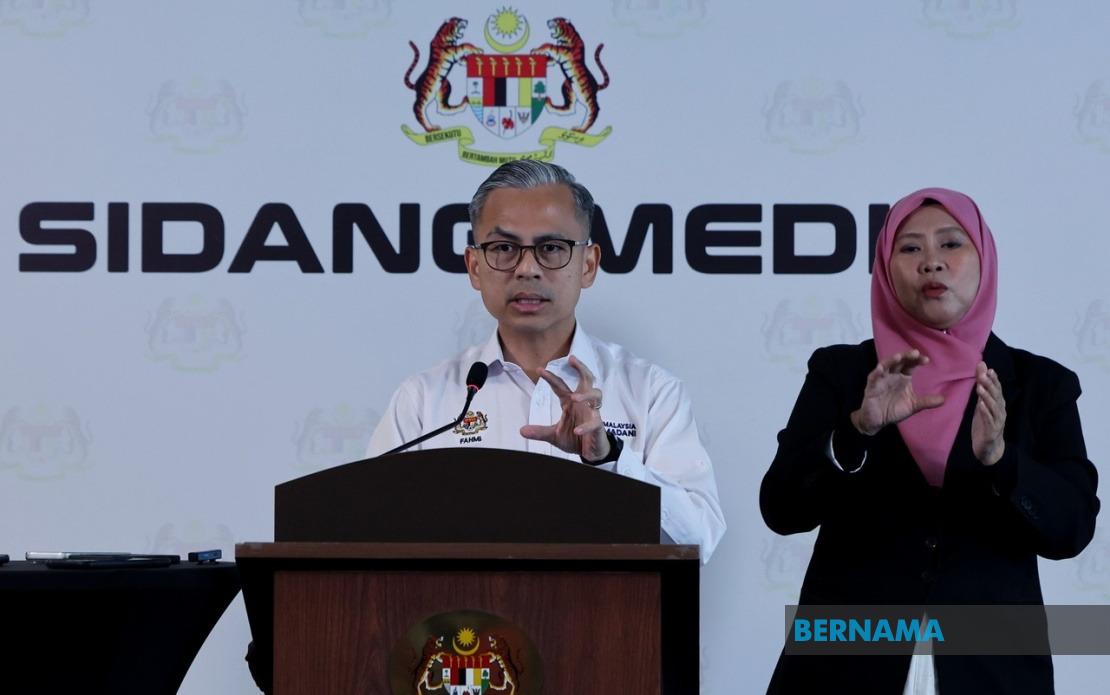
A substantial contingent of lawmakers is preparing to scrutinise the findings of a comprehensive investigation into Tabung Haji's troubled financial trajectory. Communications Minister Datuk Seri Fahmi Fadzil revealed that approximately 35 to 40 Members of Parliament have registered their intention to speak during a specially convened Dewan Rakyat sitting dedicated to the Royal Commission of Inquiry report on the Islamic pilgrimage fund, with the session scheduled to commence on August 11.
The anticipated parliamentary gathering represents a significant engagement with one of Malaysia's most pressing governance matters, reflecting the widespread concern among legislators about the circumstances that precipitated Tabung Haji's financial distress. Fahmi, who serves as the MADANI government's principal spokesperson, confirmed that Dewan Rakyat Speaker Tan Sri Johari Abdul has consented to an uninterrupted sitting, enabling the debate to proceed continuously from morning into the afternoon without scheduled breaks. Prime Minister Datuk Seri Anwar Ibrahim previously indicated that proceedings would commence at 10 am and continue throughout the day, allowing adequate time for comprehensive parliamentary examination.
The broad level of parliamentary interest underscores the gravity with which lawmakers regard the Royal Commission's investigation into Tabung Haji's management between 2014 and 2020. Released on July 29 through the Department of Islamic Development Malaysia's official portal, the RCI report paints a troubling picture of institutional failings and questionable investment decisions that progressively eroded the organisation's asset base. The inquiry's findings have sparked considerable public concern given that Tabung Haji manages savings accumulated through decades of contributions from millions of Malaysian Muslims preparing for their Hajj pilgrimage.
The Royal Commission's recommendations carry substantial implications for institutional reform and accountability. Among its key findings is a call for forensic auditing of historical investment decisions that directly contributed to the deterioration of Tabung Haji's financial position. This recommendation suggests that investigators identified investment patterns warranting deeper examination than conventional audit procedures typically provide, pointing to complexity or opacity in past decision-making processes that require specialised investigative techniques.
Beyond investment decisions, the RCI report documented patterns of concerning financial activity within the organisation. Investigators uncovered evidence pointing to suspicious transactions that raised questions about the legitimacy and transparency of certain financial dealings. Equally troubling were findings regarding the deliberate concealment of information, indicating that institutional opacity may have masked problematic activities from stakeholders, board members, and regulatory authorities. Such concealment represents a breach of fiduciary trust and suggests systemic weaknesses in internal governance structures.
The parliamentary session provides an essential platform for elected representatives to demand accountability and transparency from institutional leadership. Malaysia's legislative process offers a formal mechanism through which public concerns can be articulated within democratic structures, ensuring that findings do not remain confined to bureaucratic channels but receive sustained political attention. The broad participation of 35 to 40 MPs indicates that this is not perceived as a narrow partisan issue but rather a matter commanding cross-legislative interest and concern.
Public access to parliamentary proceedings represents another critical dimension of this inquiry's handling. The government has committed to broadcasting the debate through official media channels covering Dewan Rakyat proceedings, enabling Malaysian citizens to observe their elected representatives engaging directly with evidence of institutional mismanagement. This transparency reflects recognition that Tabung Haji affects millions of Malaysians whose savings and aspirations are intertwined with the fund's financial health, justifying wide dissemination of parliamentary discussions.
The investigation's focus on the 2014 to 2020 period is particularly significant for Malaysian governance. These years encompassed substantial political transitions and institutional transitions that may have created conditions enabling problematic investment decisions. Understanding what occurred during this specific window helps identify systemic vulnerabilities and institutional weaknesses that require remediation to prevent recurrence. The timeframe also permits examination of whether adequate oversight mechanisms functioned effectively during periods of significant organisational activity.
For Malaysian stakeholders and regional observers, the forthcoming parliamentary debate represents an opportunity to assess how democratic institutions respond to evidence of institutional failure affecting a significant segment of the population. The quality of questioning, depth of engagement, and rigour with which lawmakers examine the RCI findings will signal the seriousness with which Malaysia's political leadership regards accountability and institutional reform. Success in this arena could establish important precedents for handling future corporate governance failures affecting public institutions and national assets.
The Tabung Haji situation also carries implications extending beyond individual institutional accountability. As a faith-based financial institution, its management failures raise questions about governance frameworks applicable to Islamic financial entities throughout the region. Southeast Asian countries with significant Muslim populations and comparable Islamic financial institutions may examine Malaysia's approach to investigating and addressing institutional mismanagement, potentially influencing regulatory and oversight approaches elsewhere in the region.
The coming parliamentary session will ultimately test whether Malaysia's democratic and investigative institutions can convert RCI findings into meaningful institutional reform. The recommendations for forensic audits and the documented evidence of suspicious transactions and information concealment provide specific areas around which legislators can frame constructive questioning. The challenge ahead involves transforming parliamentary scrutiny into concrete corrective measures that restore stakeholder confidence and prevent recurrence of practices that undermined Tabung Haji's financial integrity.

