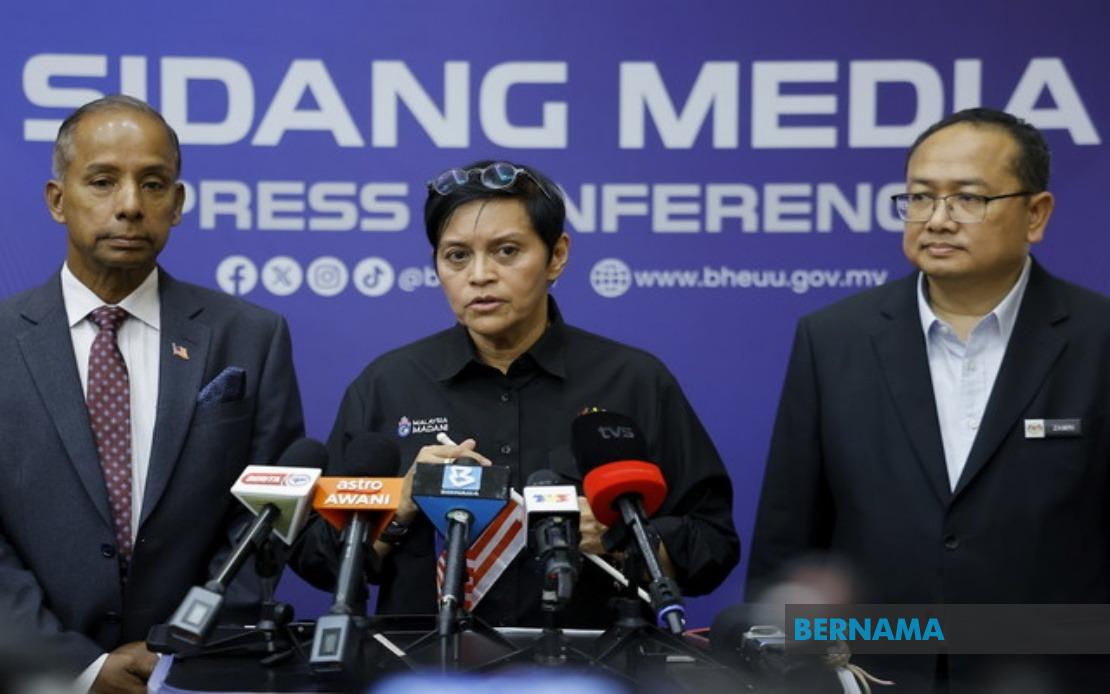
A Parliamentary Select Committee will commence its examination of the Freedom of Information Bill 2026 tomorrow, marking a crucial step toward legislative reform in Malaysia's access to information framework. The committee, chaired by Datuk Seri Azalina Othman Said, Minister in the Prime Minister's Department (Law and Institutional Reform), is expected to establish the foundational terms of reference that will guide the comprehensive review process. This inaugural meeting represents the government's commitment to a thorough and inclusive legislative approach, building upon the July 13 announcement to refer the Bill to the Select Committee for in-depth examination.
The Select Committee's composition reflects a cross-party approach to governance reform, bringing together lawmakers from different political backgrounds to evaluate the proposed legislation. This bipartisan framework is significant for Malaysia's parliamentary democracy, as it signals an effort to build broader consensus around transparency mechanisms before the Bill reaches the floor for debate. Azalina emphasised that the committee structure facilitates meaningful engagement with Members of Parliament, ensuring that diverse viewpoints within the legislature inform the final recommendations that will be presented before the next parliamentary sitting.
The Bill itself seeks to establish a structured procedural framework governing how Malaysian citizens can request access to official information held by public authorities. Critically, the legislation extends eligibility to all Malaysian citizens aged 18 and above, placing the mechanism within reach of a substantial portion of the adult population. By creating a formal written application process, the Bill aims to replace ad-hoc arrangements with a transparent, standardised approach to information access—a development particularly relevant for civil society organisations, journalists, and researchers who regularly require access to government documents.
However, the Bill's current scope has drawn considerable scrutiny from stakeholders across Malaysia's civil society landscape. Non-governmental organisations and professional bodies have submitted feedback contending that the proposed legislation remains too restrictive in its application. These critics argue that the Bill should encompass a wider range of government information and cover more extensive categories of public authorities. Azalina acknowledged these concerns directly, indicating that the Select Committee will carefully evaluate the balance between transparency objectives and the practical constraints stakeholders have identified.
The tension between transparency and security remains a central consideration throughout the Bill's framework. The current draft preserves existing secrecy law protections, maintaining exemptions for information classified under the Official Secrets Act 1972. Additionally, any documents whose disclosure is prohibited or restricted under other written laws remain protected from disclosure requests. This tiered approach reflects the government's attempt to establish a freedom of information regime while respecting established national security classifications and legal restrictions across various statutes. For Malaysian readers, understanding this balance is essential, as it defines both the potential and the limitations of the Bill when enacted.
The Select Committee's mandate extends beyond merely reviewing the Bill's technical provisions; it encompasses a substantive engagement with stakeholder perspectives accumulated during the consultation process. Professional bodies representing lawyers, journalists, academics, and other information-dependent sectors have submitted detailed observations regarding the Bill's scope and implementation mechanisms. By explicitly incorporating this feedback into tomorrow's discussions, the committee acknowledges that legislative drafting benefits from expertise beyond parliamentary chambers. This inclusive methodology strengthens the likelihood that the final Bill will function effectively across diverse practical applications.
For Malaysia's regional context, this legislative development carries implications for Southeast Asia's broader democratisation trajectory. Access to information laws remain relatively limited across the Association of Southeast Asian Nations, with only several countries maintaining comprehensive freedom of information frameworks. Malaysia's proposed Bill, therefore, positions the country within an emerging regional cohort advancing transparency standards. The Select Committee's thorough approach suggests that Malaysian policymakers are committed to international best practices in designing information access mechanisms, potentially influencing discussions among neighbouring countries considering similar reforms.
The timeline for the Bill's progression remains measured and deliberate. The Select Committee is tasked with submitting its recommendations and findings before the subsequent parliamentary sitting, allowing elected representatives sufficient time to absorb committee conclusions and prepare for substantive debate. This sequenced approach contrasts with expedited legislative processes, instead favouring considered evaluation of a measure that will reshape citizen-state information relationships. For stakeholders awaiting clarity on when they might exercise new access rights, the coming weeks will prove crucial in determining whether the Bill emerges substantially strengthened, narrowly refined, or significantly expanded.
Azalina's emphasis on the committee's openness to broadening the Bill's provisions suggests that stakeholder pressure may yield tangible modifications to the draft legislation. If civil society concerns regarding insufficient scope gain traction within the Select Committee's deliberations, the Bill could emerge with expanded coverage of public authorities or additional categories of releasable information. Conversely, if security-focused arguments prevail, the current restrictive framework may remain largely intact. The coming days of committee work will reveal which philosophical orientation—transparency maximisation or security preservation—commands greater influence among committee members.
Beyond the formal mechanics of the Select Committee process lies a deeper question about Malaysia's information governance culture. The Bill's success depends not only on its legislative design but also on institutional capacity and political will to implement transparency standards consistently across government agencies. Public authorities accustomed to information control must transition toward disclosure-oriented practices, requiring training, resource allocation, and cultural shifts within bureaucracies. The Select Committee's work, therefore, establishes foundations that implementation agencies will subsequently need to operationalise, making thorough design decisions during this review phase increasingly consequential for the Bill's real-world effectiveness.

