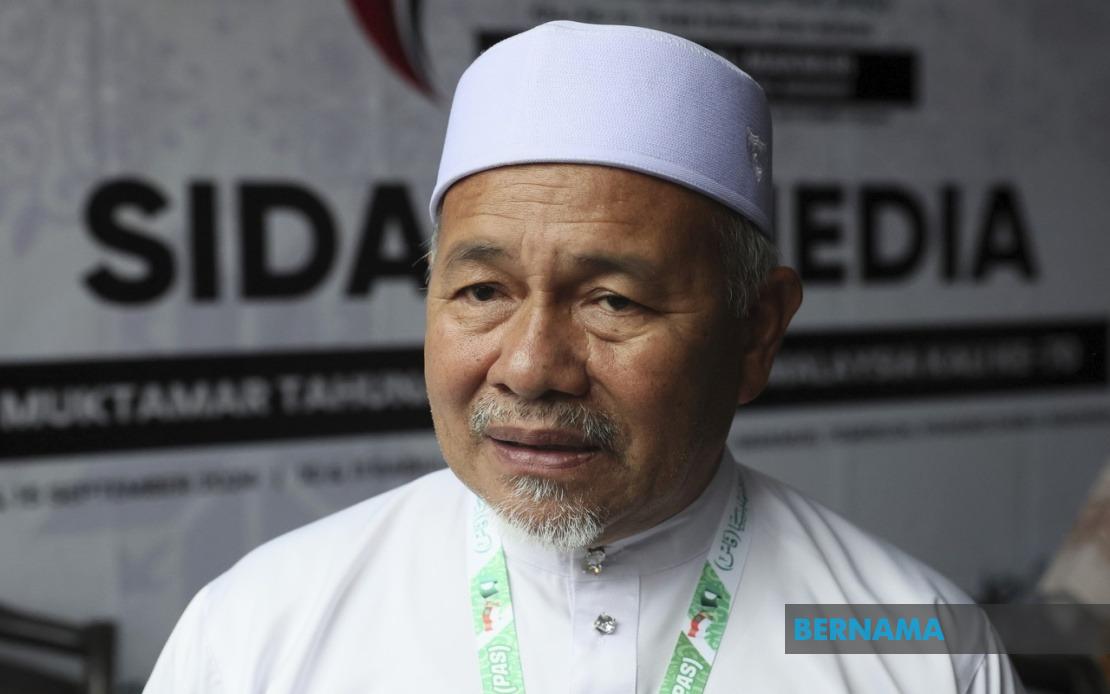
The political pressure on authorities to secure the prosecution of fugitive businessman Low Taek Jho intensified on Thursday when the Pan-Malaysian Islamic Party renewed its demand that he face justice in Malaysian courts, signalling growing frustration over the protracted case that has damaged the nation's international reputation and finances. Speaking in Kota Bharu after presiding over the Pasir Mas PAS divisional assembly, deputy president Datuk Seri Tuan Ibrahim Tuan Man rejected the notion that Malaysia should defer to external jurisdictions or await decisions from other nations, asserting instead that the country possesses both the legal authority and moral imperative to prosecute Jho Low independently.
The timing of PAS's intervention reflects mounting apprehension surrounding unconfirmed reports that Jho Low may feature among roughly 250 individuals being considered for presidential clemency by United States President Donald Trump. International media outlets circulated these claims ahead of the American Independence Day celebrations, fuelling concerns in Kuala Lumpur that a pardon could derail years of investigation and legal groundwork. The prospect has rattled policymakers across the political spectrum, prompting Prime Minister Datuk Seri Anwar Ibrahim to publicly reaffirm Malaysia's commitment to pursuing the case yesterday, despite the diplomatic uncertainties swirling around potential US intervention.
Tuan Ibrahim's position underscores a broader assertion that Malaysia's sovereignty extends to holding accountable those whose misconduct has inflicted grievous harm on the nation's economy and standing. The deputy PAS president emphasised that the 1MDB scandal left Malaysia as the primary victim, bearing the heaviest financial and reputational consequences from Jho Low's alleged malfeasance. This framing repositions the narrative away from an international chess game and towards a domestic imperative grounded in national interest and the rule of law. By insisting that Malaysia need not align itself with Washington's stance, Tuan Ibrahim articulated a position that resonates with broader Malaysian sensitivities regarding judicial independence and freedom from foreign pressure in matters of national significance.
The 1MDB affair remains one of the most consequential financial scandals in Southeast Asian history, having siphoned billions from a state development fund established ostensibly to advance Malaysia's economic interests. Jho Low, a financier with connections spanning Asia, the Middle East, and the West, allegedly orchestrated an elaborate scheme involving shell companies, offshore accounts, and international accomplices to embezzle funds destined for infrastructure and investment projects. The fallout extended far beyond mere monetary loss, contributing to Malaysia's earlier international isolation and triggering investigations across multiple jurisdictions including the United States, Singapore, and Switzerland. Malaysia's pursuit of Jho Low therefore represents not merely a matter of individual criminal accountability but a reassertion of national economic stewardship and the validity of Malaysian law.
Jho Low's current whereabouts remain uncertain, though intelligence agencies have speculated that he may be sheltered in countries with weak extradition treaties or sympathetic governance structures. This fugitive status has enabled him to evade Malaysian court proceedings since charges were first preferred, frustrating efforts to bring closure to a scandal that continues to dominate public discourse and shape perceptions of financial governance during the previous administration. The difficulty in securing his physical custody has converted what should be a straightforward legal matter into a protracted diplomatic and investigative undertaking, during which evidence deteriorates, witnesses relocate, and public attention wanes.
Tuan Ibrahim additionally called upon the authorities to accelerate the legal machinery, including the critical step of extradition proceedings, to facilitate Jho Low's return to Malaysian soil for prosecution. This appeal reflects the political consensus that delay itself constitutes an injustice, allowing a fugitive to exploit jurisdictional gaps and international safe havens indefinitely. The urgency conveyed by his remarks suggests that Malaysian leadership, irrespective of party affiliation, recognises that the credibility of Malaysia's legal system depends upon demonstrating capacity to pursue high-profile offenders with determination and sophistication.
The spectre of a potential US presidential pardon introduces an uncomfortable variable into Malaysia's calculus. A clemency decision by Trump would not technically prevent Malaysia from prosecuting Jho Low, as national governments retain authority over their own courts; however, it would signal American unwillingness to cooperate with extradition requests and might embolden the fugitive to resist surrender. Such an outcome would underscore Malaysia's vulnerability to external political currents beyond its control, particularly when dealing with individuals who have cultivated relationships within influential international circles. The scenario crystallises anxieties about rule of law in an era when wealth and connections can purchase political protection across borders.
Prime Minister Anwar Ibrahim's commitment statement, issued only days before Tuan Ibrahim's remarks, reassured the public that regardless of international developments, Malaysia would persist in its legal pursuits. This bipartisan messaging from both government and opposition figures demonstrates that the 1MDB question transcends partisan divisions and occupies a uniquely sensitive position within Malaysian political consciousness. The scandal contributed substantially to the electoral defeat of the previous Barisan Nasional government and fundamentally altered public expectations regarding financial accountability and institutional integrity.
For Malaysian readers and observers across Southeast Asia, the renewed focus on Jho Low's prosecution carries implications extending beyond individual accountability. It signals that despite globalisation and the transnational mobility of capital, nation-states retain both the capacity and determination to reassert jurisdiction over their economic assets and punish those who violate fiduciary duties. The case also illustrates the continuing challenges that Malaysia and other developing economies face in combating financial crimes orchestrated by sophisticated actors leveraging international banking systems and regulatory arbitrage. Successful prosecution would vindicate institutional resilience; failure would reinforce perceptions that wealth and international mobility confer practical immunity from accountability, thereby eroding public confidence in the efficacy of law enforcement and the judicial system.

