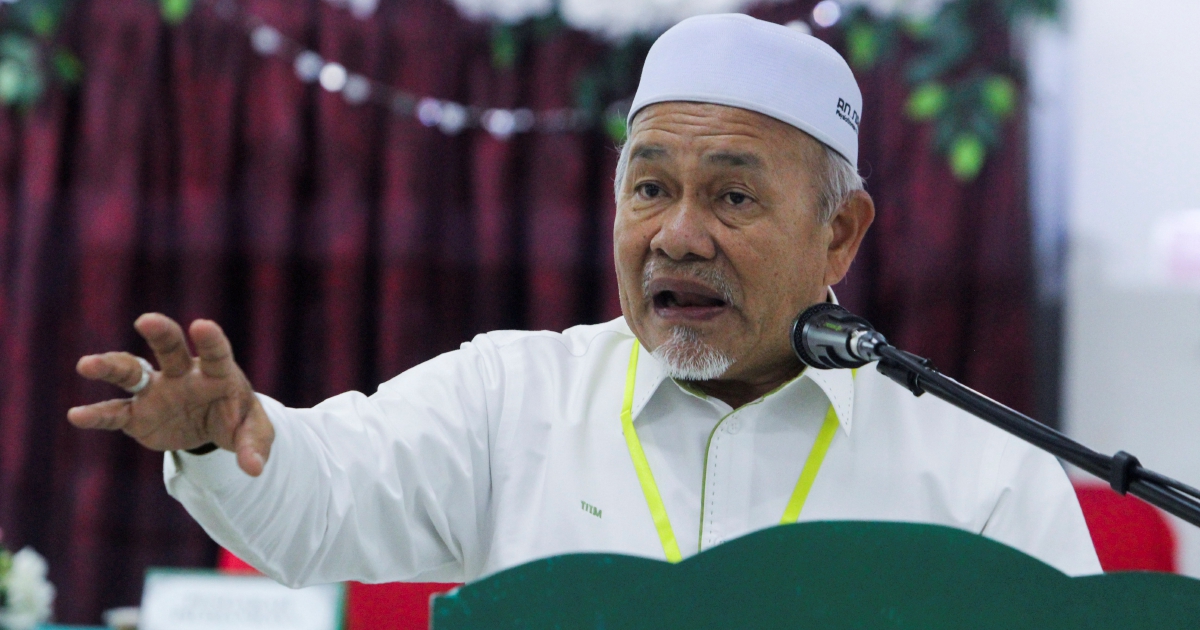
PAS deputy president Datuk Seri Tuan Ibrahim Tuan Man has removed himself from the frontlines of a high-stakes defamation case initiated by Prime Minister Datuk Seri Anwar Ibrahim, entrusting the matter wholly to his legal representatives. Speaking in Kota Baru, the senior Islamist politician signalled his intention to let lawyers navigate the contentious litigation, a strategic retreat that underscores the sensitivity of the dispute within Malaysia's fractious political landscape.
The defamation suit represents yet another flashpoint between two significant political figures whose trajectories have been defined by institutional rivalry. Anwar's action against Tuan Ibrahim reflects the broader tensions pervading Malaysian politics, where legal challenges have increasingly become instruments of political contestation. By formally stepping aside, Tuan Ibrahim appears keen to avoid further inflaming the situation through public statements or direct engagement, a posture that may reflect internal PAS calculations about reputational risk and party interests.
Tuan Ibrahim's decision carries implications for how PAS, as a coalition partner in the current government, manages its relationship with Anwar's administration. The party has maintained ministerial positions within the federal cabinet since the 2022 elections, making litigation involving its leadership sensitive to broader governmental stability. Any escalation or public grandstanding could potentially undermine the party's negotiating position or create embarrassments for the coalition framework that has thus far held relatively steady.
Defamation cases involving political figures typically unfold over extended periods, with discovery processes, witness testimonies, and appeals potentially stretching across multiple years. By delegating representation to lawyers, Tuan Ibrahim sidesteps the burden of constant public explanation and reduces opportunities for inflammatory exchanges that media coverage might amplify. This approach mirrors practices common among senior politicians facing legal jeopardy, though it inevitably invites questions about the substantive claims underlying the dispute.
The Malaysian legal establishment has grown increasingly accustomed to arbitrating high-profile political disputes. Courts have previously adjudicated cases involving accusations of slander, defamation, and libel among senior politicians, though such proceedings typically occur away from the fiercest media glare. Tuan Ibrahim's reliance on legal counsel suggests confidence in the robustness of Malaysian jurisprudence, or at minimum, recognition that the courtroom rather than the public sphere represents the appropriate forum for resolution.
PAS faces considerable scrutiny over its political trajectory and alliance choices. The party's coalition with UMNO in government has required careful management of its core voter base and ideological positioning. Legal controversies affecting senior leadership risk complicating these delicate internal dynamics. By maintaining professional distance from the defamation proceedings, Tuan Ibrahim may be attempting to preserve party unity and prevent the dispute from becoming a focal point for internal dissent or external criticism about PAS's governance partners.
The defamation suit itself presumably centres on statements or claims made by Tuan Ibrahim that Anwar characterised as injurious to his reputation. Such cases typically hinge on establishing falsity, publication, and injury to reputation—legal elements requiring careful marshalling of evidence and expert testimony. The involvement of seasoned legal counsel suggests both parties anticipate a protracted engagement with procedural complexity and evidentiary requirements.
From a Southeast Asian perspective, Malaysia's willingness to allow senior political figures to be sued for defamation demonstrates judicial independence, though the phenomenon also raises concerns about litigation becoming weaponised for political purposes. The outcome of this particular case may establish precedents affecting how Malaysian courts balance free speech protections, political accountability, and individual reputation rights. Other regional democracies monitor such developments closely, as they navigate similar tensions between political expression and legal redress.
Tuan Ibrahim's low-profile approach also reflects potential calculations about media narrative management. By refusing extensive comment and limiting public statements, he deprives critics of fresh material for political ammunition while signalling to supporters that the matter remains serious and requires dignified restraint. This tactic contrasts sharply with politicians who use legal disputes as platforms for renewed public messaging and voter mobilisation.
The involvement of lawyers effectively transforms what might otherwise be a personal or political disagreement into a technical legal matter requiring specialised expertise. This professionalisation of the dispute, while potentially lengthening its resolution, also creates psychological and practical distance between the principals. Both Anwar and Tuan Ibrahim can maintain political responsibilities without constant direct confrontation, reducing friction within a coalition that requires functional cooperation despite personal animosity.
The broader political ecosystem will closely track this case's progression. Coalition partners, opposition figures, and civil society observers all have stakes in understanding how Malaysian courts handle defamation claims involving government officials. The precedent established—regarding evidentiary standards, damages awards, and procedural requirements—could influence future litigation involving political figures and potentially affect the calculus of senior politicians considering whether pursuing legal remedies against opponents justifies the risks and resource commitments involved.

