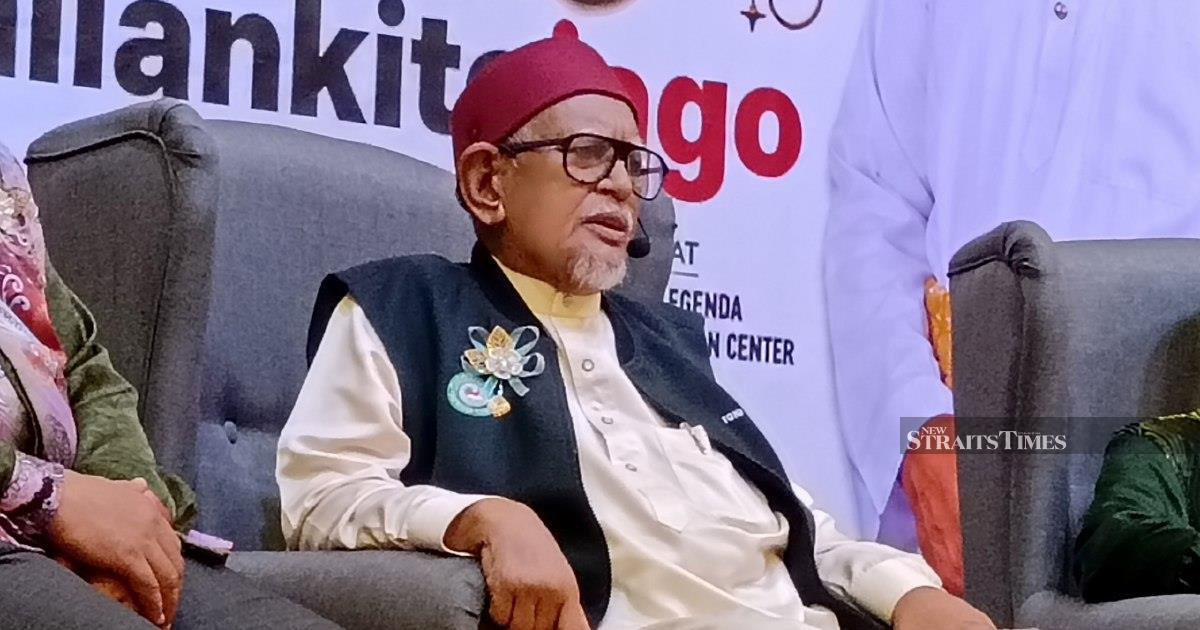
PAS leadership has signalled its willingness to back an Umno figure as menteri besar of Negri Sembilan should the two Malay-Muslim parties finalise a seat-sharing arrangement ahead of the August 1 state election. The development underscores ongoing negotiations between the historically aligned coalition partners as they position themselves to contest what could prove a competitive ballot in the peninsular state.
The flexibility demonstrated by PAS reflects a pragmatic approach to coalition politics in Negri Sembilan, where neither party has demonstrated overwhelming electoral dominance in recent contests. By indicating openness to Umno leadership of the state government, PAS has essentially removed a potential stumbling block to unified candidacies across the state's parliamentary and state assembly divisions. Such willingness to compromise on the chief minister's office suggests both parties recognise the mutual benefit of presenting a consolidated front rather than splitting the vote between rival Umno and PAS candidates.
Negri Sembilan has historically been competitive between Barisan Nasional and opposition coalitions, with control of the state often hinging on relatively narrow margins. The current political calculus involves strengthening BN's position amid broader efforts to consolidate support in Malaysia's heartland states. An Umno-PAS electoral pact could substantially improve BN's prospects compared to fielding divided candidates in certain constituencies where opposition votes might otherwise consolidate.
The seat negotiation process between the two parties typically involves complex discussions around which constituencies each party considers strategic strongholds or areas with deeper grassroots penetration. PAS's willingness to concede the menteri besar position likely reflects confidence that its candidates will secure sufficient state assembly seats to retain meaningful representation and ministerial portfolios in any resulting government. This approach allows PAS to maintain influence while potentially broadening the coalition's overall appeal to Negri Sembilan voters.
Historically, Umno has held the menteri besar position for much of Negri Sembilan's electoral history, though periods of opposition rule have occurred. The August 1 election represents an opportunity for BN to consolidate its position, particularly if Umno and PAS can present unified campaigns without the complications that arise when allied parties field competing candidates in the same division. Such internal competition has previously weakened BN performances in other states.
For Malaysian observers and political analysts, this development illustrates the ongoing realignment within Malaysia's Malay-Muslim political sphere. PAS's flexibility suggests the party prioritises electoral gains and governmental responsibility over rigid ideological positioning regarding who should hold the menteri besar position. The willingness to accept Umno leadership also reflects the party's political maturity and understanding that governance often requires compromise and shared decision-making.
The timing of these negotiations remains crucial given the August 1 election date. Both parties must conclude seat discussions sufficiently early to allow their machinery time for campaign preparation and candidate vetting in each division. Protracted negotiations could undermine campaign effectiveness and create uncertainty among grassroots party members and supporters who need clarity regarding official candidates well in advance of polling day.
From a regional perspective, the Negri Sembilan election holds significance beyond the state's immediate boundaries. The outcome and any coalition arrangements resulting from these negotiations could influence broader patterns of federal politics and shape BN's strategic approach in other states facing upcoming elections. A successful Umno-PAS partnership in Negri Sembilan could serve as a model for closer cooperation in other battleground states where opposition competition presents genuine electoral challenges.
The broader context includes economic concerns and governance issues that typically dominate state election campaigns. Negri Sembilan voters will likely focus on infrastructure development, local employment opportunities, and state fiscal management rather than national political intrigue. Nevertheless, the composition of the state government emerging from August's election will have implications for BN's overall federal positioning and the party's ability to implement coordinated national policies.
As discussions progress, clarity on specific seat distributions and campaign coordination mechanisms will become essential. Both Umno and PAS will need to communicate decisions transparently to their respective party members to maintain internal cohesion and avoid defections or recriminations that could compromise campaign momentum. The ultimate success of their partnership will largely depend on how thoroughly they resolve potential grievances during negotiation phases.

