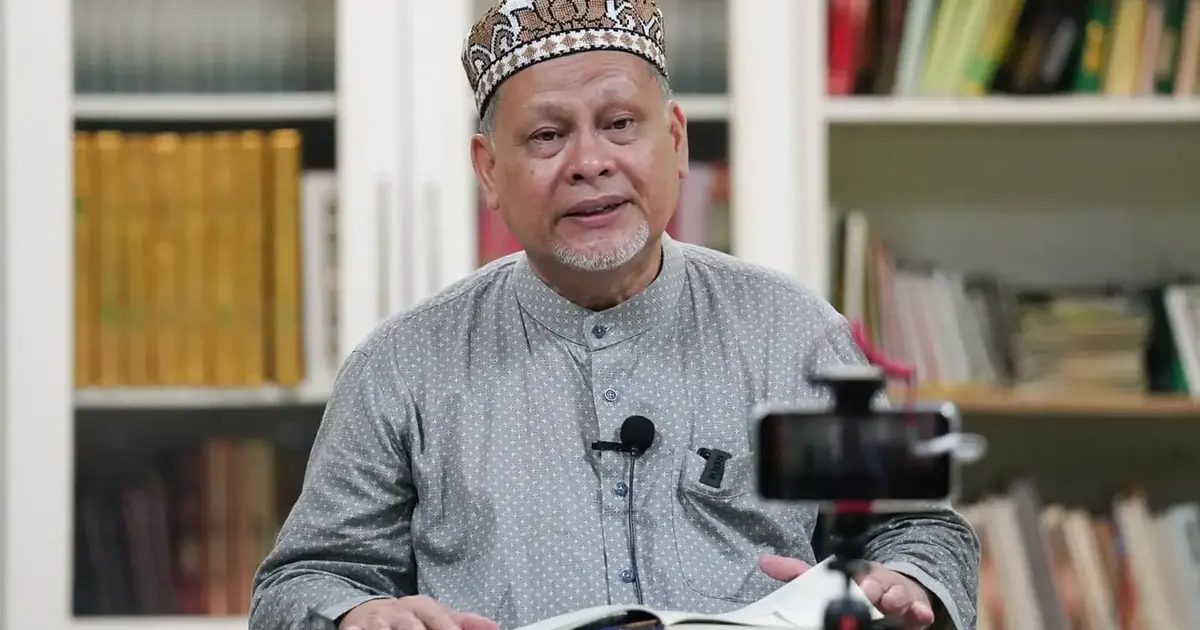
The political landscape in Negeri Sembilan appears set for potential internal complications, with PAS signalling its willingness to square off against fellow Perikatan Nasional component Bersatu should both parties pursue candidacies in overlapping constituencies during the upcoming state elections. PAS deputy president Amar Abdullah made the statement in response to questions about possible seat-sharing disputes between the two coalition partners, suggesting that despite their alignment within the broader PN framework, neither party is prepared to concede ground without contention.
This development reflects broader tensions that frequently emerge within multi-party coalitions operating at the state level, where seat allocation becomes a critical flashpoint. The dynamics between PAS and Bersatu have historically been complex, with both organisations harbouring distinct ideological orientations and voter bases. While they have maintained formal alliance structures at the federal level, state-level contests often expose fault lines that can complicate campaign strategies and resource allocation across the region.
Negeri Sembilan has long been a mixed political terrain, with various coalitions vying for dominance across its nine state assembly constituencies. The state's electoral history demonstrates volatility in voter preferences, making each contested seat potentially decisive in determining overall control. Abdullah's statement indicates that PAS is approaching the contest with competitive intent rather than deference to its coalition partner, a positioning that underscores how regional elections can operate according to distinct dynamics from national-level arrangements.
For Malaysian observers tracking coalition cohesion, this development carries implications extending beyond Negeri Sembilan itself. The Perikatan Nasional alliance, which emerged as a significant political force following the 2020 general election, has attempted to maintain a unified front on major policy matters. However, competition for state-level influence and the distribution of legislative seats remain persistent sources of friction. Abdullah's remarks suggest that pragmatic political calculus—securing maximum representation for PAS—may override coalition solidarity when constituencies are at stake.
Bersatu, as the smaller PN component in most state calculations, faces inherent pressure to secure meaningful representation in state assemblies to maintain its relevance and demonstrate value to its base. Similarly, PAS operates from a position of greater numerical strength within Islamic constituencies and traditional strongholds, allowing it to adopt a more assertive negotiating stance. These asymmetries create natural friction whenever seat negotiations commence without clear pre-arrangements.
The statement also reflects evolving attitudes toward coalition flexibility in Malaysian politics. Rather than viewing such competition as necessarily destabilising, both parties appear willing to accept intra-coalition contests as a normal feature of democratic competition. This pragmatic acceptance contrasts with earlier periods when coalition partners maintained stricter non-aggression protocols, suggesting a maturation of political arrangements that accommodates competitive coexistence within broader alliances.
From a Malaysian electoral perspective, constituencies that become battlegrounds between PN component parties introduce additional complexity for voters and campaign strategists. These situations can split opposition votes, create confusion regarding coalition messaging, and occasionally result in unexpected outcomes where neither partner secures victory. The potential for such scenarios underscores why seat-sharing negotiations—typically conducted behind closed doors—carry such significance for coalition functionality.
For Negeri Sembilan specifically, this potential contestation occurs against a backdrop of shifting voter preferences and demographic changes. The state has witnessed various electoral transitions over recent decades, and incumbent administrations cannot assume automatic dominance. If PAS and Bersatu both field candidates in the same constituencies, they risk fragmenting the PN vote in those areas, potentially benefiting rival coalitions. Whether such duplication actually materialises will depend on negotiations occurring in the coming weeks.
Abdullah's combative language suggests PAS negotiators will enter seat-sharing talks from a position of strength, potentially demanding more constituencies than Bersatu might prefer to concede. The respective party leaderships will need to reach accommodations that both can present as victories to their respective supporters, requiring careful political choreography and trade-offs across multiple constituencies.
The broader significance of this positioning extends to how Malaysian coalition politics function at the state level. Unlike federal arrangements where multiple coalitions compete as unified blocs, state contests frequently involve coalition partners making simultaneous appeals to voters while officially maintaining alliance structures. This inherent tension between cooperation and competition defines much of contemporary Malaysian electoral dynamics and shapes how parties approach contests like the forthcoming Negeri Sembilan election.

