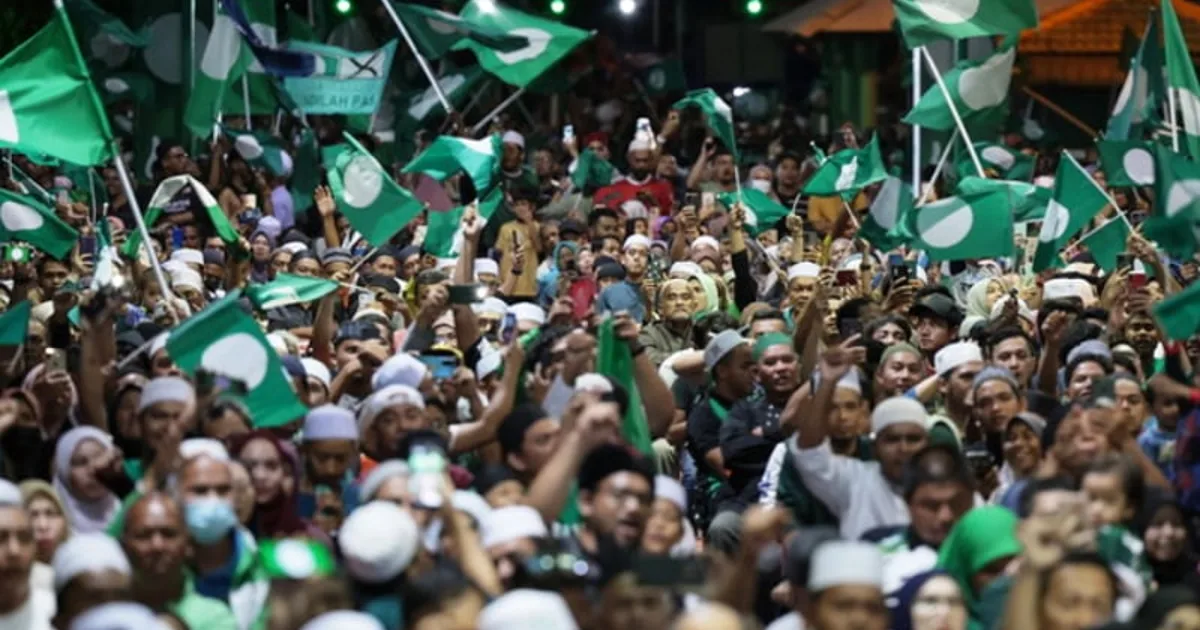
The Islamic party PAS has decided to reallocate its campaign apparatus and electoral resources away from parliamentary and state constituencies where its Pakatan Nasional ally Bersatu is fielding candidates, signalling a more disciplined approach to coalition seat-sharing ahead of anticipated elections. This strategic repositioning underscores how the broader opposition alliance continues to fine-tune its contest strategy to maximise combined electoral performance by avoiding direct competition between friendly parties.
Under this revised arrangement, PAS will concentrate its substantial grassroots machinery and campaign infrastructure on constituencies where the Islamic party is directly contesting, while simultaneously supporting the electoral efforts of other component parties within the Pakatan Nasional framework. The move reflects a recognition that duplicating campaign resources in seats already designated for Bersatu would be inefficient and potentially self-defeating, diluting the combined opposition vote and jeopardising coalition prospects.
Pakatan Nasional, which encompasses PAS, Bersatu, and other political entities, has worked to establish clearer boundaries regarding which parties contest which constituencies. This coordinated approach follows earlier experiences where inadequate seat-sharing arrangements resulted in three-way contests that split opposition votes and handed victories to competing camps. By implementing tighter discipline, the coalition aims to present a more unified and strategically coherent electoral front.
Bersatu, the political vehicle of former prime minister Muhyiddin Yassin, has positioned itself as a central pillar of the Pakatan Nasional construct. The party seeks to rebuild its presence in Parliament and state assemblies following its separation from other opposition groupings. PAS's decision to stand aside in Bersatu-contested seats demonstrates recognition that the broader coalition's success depends on preventing internal fragmentation that would benefit rival political forces.
For Malaysian readers, this development reflects ongoing realignment within the opposition landscape. The original Pakatan Harapan coalition fractured in recent years, with various factions reorganising into different structures. Pakatan Nasional represents an attempt to consolidate anti-government political forces under a common banner, though its composition and ideological coherence remain subjects of intense debate within Malaysian politics.
The implications extend across multiple levels. At the parliamentary level, a more disciplined coalition approach could theoretically improve opposition chances in closely contested constituencies where vote-splitting has previously been decisive. In state politics, similar logic applies, particularly in states where neither major bloc—the Barisan Nasional government coalition nor the opposition—commands overwhelming majorities.
PAS brings formidable organisational advantages to any coalition it joins. The party possesses extensive ground networks, particularly in rural areas and Malay-Muslim majority constituencies, built over decades of consistent community engagement. By redirecting these resources strategically rather than dissipating them across seats already assigned to allies, PAS can theoretically amplify its influence on outcomes in its targeted constituencies while contributing indirectly to coalition success elsewhere.
However, questions persist about the durability and coherence of Pakatan Nasional itself. Political observers note that component parties, while agreeing on tactical coordination for elections, maintain distinct ideological positions and long-term strategic objectives. PAS's conservative Islamic agenda differs markedly from more secular-oriented coalition members. Whether such arrangements survive beyond any single electoral cycle remains uncertain, particularly if the coalition experiences electoral setbacks or internal disputes over resource allocation and policy direction.
The timing of this announcement reflects preparations for either general elections or significant state-level contests that observers believe could materialise within coming months. Malaysian electoral cycles have become increasingly unpredictable in recent years, with governments frequently calling elections strategically rather than at constitutionally mandated intervals. Political parties must maintain readiness for potential contests at relatively short notice.
Regionally, Malaysia's internal political manoeuvring takes place against a backdrop of broader Southeast Asian political dynamics. Coalition management and seat-sharing arrangements are not unique to Malaysia; similar mechanisms operate across the region where multiple parties compete for power. Yet Malaysia's particular history of ethnic-based and religion-influenced politics creates distinctive constraints and opportunities for coalition-building.
The withdrawal of PAS machinery from Bersatu-contested seats also carries symbolic weight within Malaysian politics. It demonstrates that despite ideological differences and competing organisational interests, opposition parties recognise mutual dependence on improved electoral coordination. This pragmatism suggests that even actors with fundamentally different visions for Malaysia's political future can cooperate tactically when facing common adversaries or pursuing specific electoral objectives.
As the political calendar unfolds, observers will scrutinise whether this refined seat-sharing discipline translates into measurable electoral gains for Pakatan Nasional. The test will come in actual voting outcomes, where voters ultimately determine whether strategic realignments at party level produce meaningful shifts in parliamentary or state assembly composition. Until that point, the commitment to reduced internal competition remains largely aspirational, dependent on maintaining coalition unity and enforcing the agreed arrangements across geographically dispersed party structures and diverse state-level organisations.

