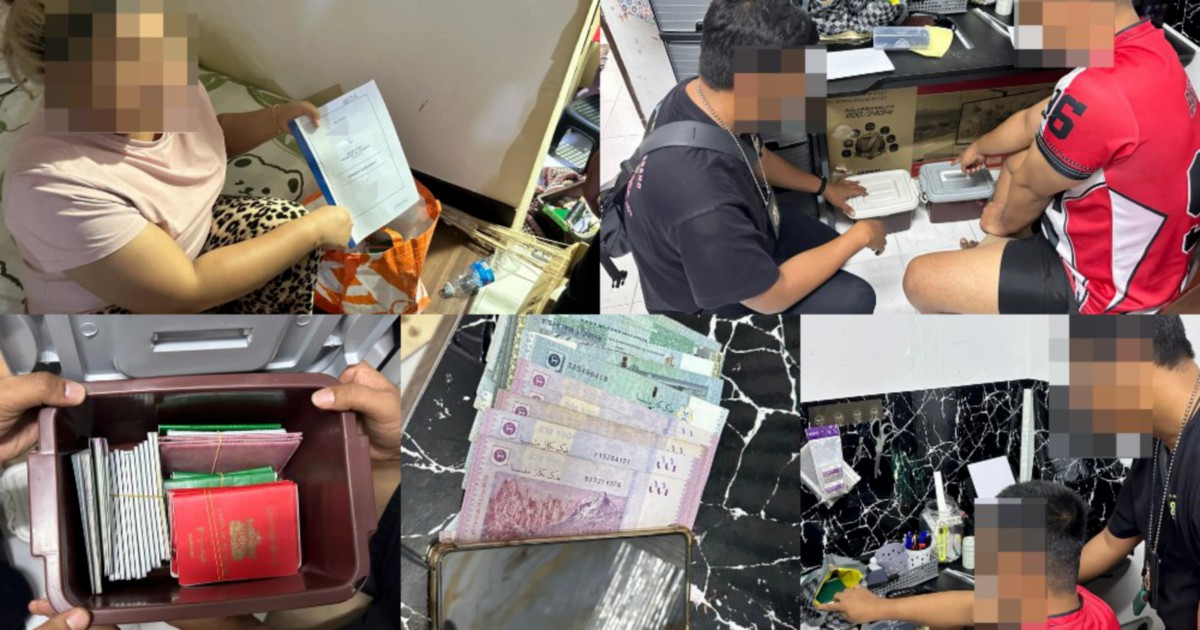
The Immigration Department has dealt a significant blow to organised document fraud in Kuala Lumpur with the arrest of three individuals, including the person believed to orchestrate a passport-forging syndicate. Datuk Zakaria Shaaban, the department's director-general, announced the operation, marking another enforcement effort against criminal networks that exploit Malaysia's immigration systems for profit and potential security breaches.
Passport forgery represents a critical vulnerability in border security and national identity systems across Southeast Asia. The proliferation of forged travel documents enables human trafficking, money laundering, terrorism financing, and international crime. Malaysia, as a regional gateway and hub for both legitimate and illicit transnational movement, faces persistent pressure from organised criminal groups seeking to produce counterfeit or altered official documents. The arrest signals Immigration's operational capacity to disrupt these networks, though experts acknowledge that determined syndicates continuously adapt methods to evade detection.
The scale and sophistication of document-forging operations in Malaysia vary considerably. Some groups operate from informal workshops using basic printing equipment, while others employ corrupted officials or access stolen blank passports and identity documents. The involvement of a coordinated syndicate with an identified mastermind suggests a more entrenched operation with structured roles, supply chains, and customer networks. Such hierarchical arrangements typically prove more difficult to dismantle than loose criminal associations, as dismantling the leadership can disrupt activities across multiple fronts.
Investigators must trace the syndicate's operational footprint, including identification of customers who acquired forged documents, sources of materials or blank forms, and any involvement of corrupt officials within government agencies. Each connection discovered typically generates leads to related criminal enterprises, as sophisticated document forgers rarely operate in isolation from broader smuggling, trafficking, or fraud networks. The duration of the operation and volume of documents produced remain undisclosed but carry implications for international law enforcement cooperation and bilateral relations with countries whose citizens may have been victimised by the scheme.
For Malaysian residents and nationals, such arrests underscore the importance of securing personal identity documents and maintaining vigilance against identity theft. Individuals whose passport details or biometric information were compromised could face complications with travel, visa applications, and credit systems. The Department of Immigration's enhanced scrutiny following major syndicate busts sometimes creates temporary delays for legitimate visa processing, a necessary trade-off for improved security screening.
The enforcement success also reflects evolving capabilities within Malaysia's immigration and law enforcement agencies. Investment in forensic document analysis, digital surveillance techniques, and inter-agency intelligence sharing has strengthened capacity to identify and prosecute sophisticated fraud networks. Regional cooperation through ASEAN frameworks and bilateral agreements with partner nations enhances information exchange and enables coordinated operations against transnational criminal elements.
However, document fraud remains a persistent challenge across the region and globally. The technological sophistication of modern passports, including embedded security features and biometric data, creates a moving target for forgers and presents an ongoing arms race between counterfeiters and authorities. Criminals continuously invest in reverse-engineering security measures, training specialists in document reproduction, and acquiring or stealing the tools necessary for high-quality forgery. Education campaigns targeting potential customers—particularly migrants, undocumented workers, and refugees desperate for travel documents—represent a neglected preventative dimension that could reduce demand.
The syndicate arrest also highlights vulnerabilities in document supply chains. Whether blank passports were stolen from government facilities, diverted from printing contractors, or sourced internationally remains critical to understanding operational security gaps. Immigration officials must audit storage protocols, transportation security, and inventory management to prevent further losses. Any evidence of complicit government employees typically triggers internal investigations and disciplinary action, though enforcement against corrupt officials remains inconsistent across Malaysian agencies.
International ramifications extend to countries whose passports may have been forged or whose citizens unknowingly carried counterfeit travel documents issued by the syndicate. Diplomatic channels may activate to request information about victims and to coordinate additional investigations. Malaysia's reputation as a reliable administrator of immigration systems depends partly on swift action and transparent reporting when vulnerabilities emerge, factors that influence bilateral relationships and international travel confidence.
The arrest comes amid broader Southeast Asian trends of rising document fraud, human smuggling, and transnational organised crime. Networks operating across Thailand, Malaysia, Indonesia, and the Philippines frequently collaborate on procurement, production, and distribution of forged documents. Regional capacity-building initiatives and intelligence-sharing agreements have incrementally improved enforcement coordination, yet resource constraints and jurisdictional complexities continue to hamper comprehensive disruption efforts.
Looking forward, the Immigration Department's ongoing investigation will likely extend well beyond the three arrested individuals. Pursuing the full network—including suppliers, distributors, corrupt facilitators, and customers—requires sustained investigative effort and coordination across agencies. The outcome will provide insights into the scale of document fraud within Malaysia and inform strategic responses to reduce vulnerability to similar enterprises. Public disclosures regarding charges, trial outcomes, and convictions will signal enforcement commitment and potentially deter future syndicate operations, though the underlying economic incentives driving document forgery will persist as long as demand from vulnerable migrant and refugee populations remains high.

