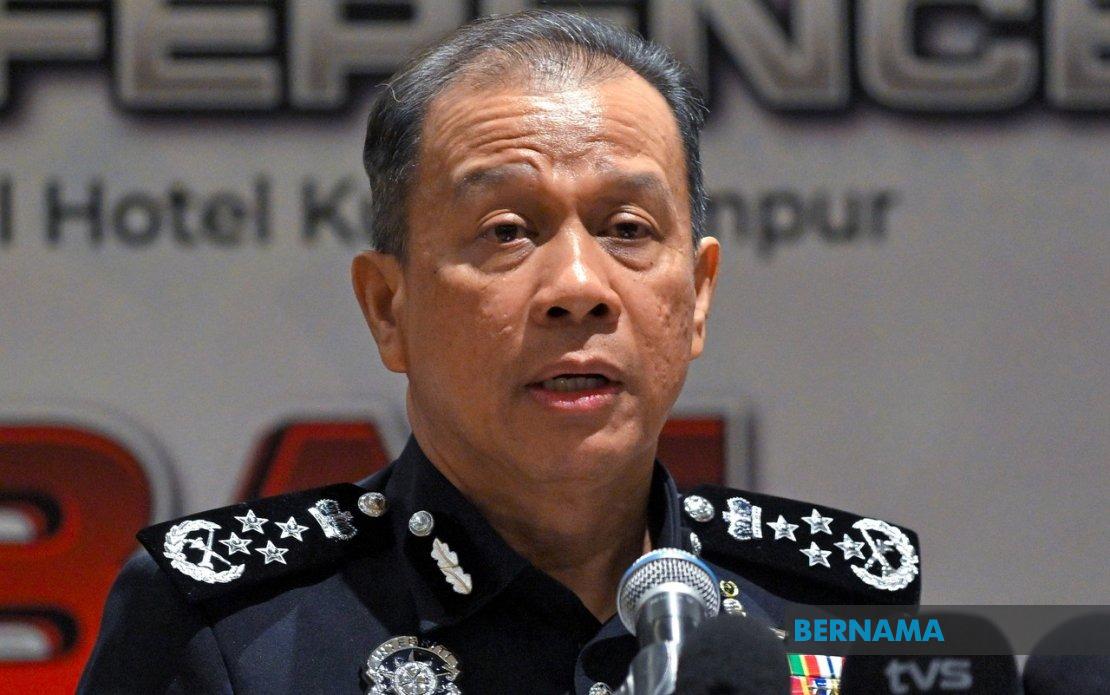
The Royal Malaysia Police has committed to deploying officers within aviation security teams across Malaysian airports, marking a significant shift in the country's approach to safeguarding air transport infrastructure. The decision, endorsed by Cabinet and announced by MADANI Government spokesman Datuk Seri Fahmi Fadzil, comes in response to heightened concerns about security vulnerabilities following the detention of a Malaysian pilot in Indonesia on suspicion of involvement in drug trafficking. Inspector-General of Police Tan Sri Mohd Khalid Ismail characterised the initiative as an essential step in creating a more robust and layered defence system capable of identifying and neutralising emerging threats before they materialise.
The deployment represents a departure from traditional arrangements where aviation security has been primarily the domain of dedicated AVSEC personnel and airport operators. By integrating uniformed police into these security frameworks, authorities aim to leverage the broader intelligence networks and enforcement capabilities that the PDRM maintains across the country. The move reflects growing recognition that airports function as critical nodes within national security architecture, requiring coordination between multiple agencies rather than siloed operations by specialist teams. Tan Sri Mohd Khalid emphasised that this integration would facilitate superior intelligence dissemination, enabling security personnel to act swiftly on emerging information about potential threats, criminal networks, or irregular activities that might exploit aviation channels.
The practical implementation of this initiative involves considerable coordination among several government bodies. The PDRM is currently working with the Home Ministry, the Ministry of Transport, and other relevant agencies to establish the operational framework that will govern police involvement in aviation security. These discussions encompass fundamental questions including the specific scope of responsibilities that police officers will assume, the physical locations where they will be stationed, the personnel requirements needed to sustain the deployment, the delineation of authority between PDRM officers and existing AVSEC staff, and the mechanisms through which operational decisions will be made and communicated. This multi-stakeholder approach acknowledges that aviation security cannot function effectively as a purely police-driven enterprise but rather requires careful calibration of different expertise and institutional capacities.
The underlying rationale for police deployment centres on strengthening preventive rather than purely reactive capabilities. Current security frameworks have historically focused on screening passengers and baggage at designated checkpoints, implementing access controls, and conducting routine inspections. While these measures remain essential, authorities increasingly recognise that modern security threats often exploit procedural gaps or operate through networks that transcend the physical airport environment. By embedding police personnel with access to broader criminal intelligence, inter-agency information, and investigative authority, airports gain the capacity to identify suspicious patterns, track individuals of concern, and coordinate with law enforcement before incidents occur. This represents a move towards what security experts characterise as intelligence-led policing applied to the aviation context.
The catalyst for this policy shift illuminates the specific vulnerabilities that drove the decision. The detention of a Malaysian pilot in Indonesia on drug smuggling allegations exposed potential exploitation of the aviation industry for trafficking operations, a concern that transcends Malaysia's borders given the regional nature of air transport networks. Pilots, flight crews, and airport staff occupy positions of trust and access that can be compromised or exploited by criminal networks seeking to move contraband through international networks. The incident demonstrated that existing security measures had not prevented an individual from allegedly participating in such activities, prompting a reassessment of whether current frameworks adequately address insider threats and trafficking networks that operate within legitimate aviation structures.
The integration of police into AVSEC frameworks will necessitate establishing clear lines of communication and decision-making authority. While AVSEC personnel focus primarily on passenger and baggage screening according to standardised protocols, police officers bring investigative mindsets and access to criminal databases that can inform judgments about whether particular individuals warrant enhanced scrutiny or referral for further investigation. The challenge lies in creating systems where these different approaches complement rather than conflict with one another, where AVSEC personnel maintain their focus on routine security procedures while police leverage intelligence capabilities without creating bottlenecks that compromise airport operations. Training will be essential to ensure that officers operating in this capacity understand both aviation security protocols and the constraints of airport environments.
Beyond the immediate deployment, the broader architecture for strengthening aviation security encompasses multiple layers. Authorities plan enhanced access control systems that more rigorously verify the identity and background of personnel working within secure airport areas. Screening procedures for passengers and cargo will be subject to periodic review and refinement, incorporating lessons from international best practices and emerging threat intelligence. Risk assessment methodologies will become more sophisticated, potentially utilising data analytics to identify patterns or anomalies that warrant closer examination. Strategic cooperation among agencies and stakeholders—including customs, immigration, intelligence services, and airport operators—will be formalised to ensure that information flows effectively and that response protocols are well-coordinated.
For regional aviation, Malaysia's initiative carries implications beyond its own borders. Southeast Asia has experienced significant growth in air traffic over the past two decades, creating both economic opportunities and security challenges. Given that aviation networks are inherently international, security vulnerabilities in one jurisdiction can create risks for neighbouring countries. Malaysia's decision to strengthen its airport security frameworks may influence approaches adopted by other regional carriers and airports. The integration of police into AVSEC operations represents a policy choice that other Southeast Asian nations might evaluate for their own contexts, particularly those facing similar challenges related to drug trafficking, smuggling, or insider threats within aviation environments.
Tan Sri Mohd Khalid's statement affirms that flight safety and security of the country's international travel points remain paramount priorities for the PDRM. The commitment extends beyond mere policy rhetoric to encompassing concrete assurances that criminal exploitation of aviation infrastructure will not be tolerated. This messaging serves both domestic and international audiences—reassuring Malaysian travellers that security is being actively strengthened while signalling to international partners that Malaysia takes aviation security seriously and is taking measurable steps to address vulnerabilities. For the aviation industry, including airlines, ground handlers, and airport operators, the deployment may entail operational adjustments and additional coordination, though authorities emphasise that security enhancements should ultimately facilitate rather than impede legitimate aviation activities.
The implementation timeline and full scope of the PDRM deployment remain subject to ongoing inter-agency discussions, suggesting that the initiative will be rolled out gradually rather than instantaneously across all airports. Major international hubs such as Kuala Lumpur International Airport and Penang International Airport will likely be prioritised, with subsequent expansion to secondary and regional airports. Training programmes for officers assigned to AVSEC duties will need to be developed and delivered, ensuring that personnel understand both their specific roles and the broader security environment within which they operate. Success will ultimately depend on how effectively the PDRM can embed its officers within existing AVSEC structures while maintaining the professional standards and protocols that have characterised Malaysia's aviation security practices.

