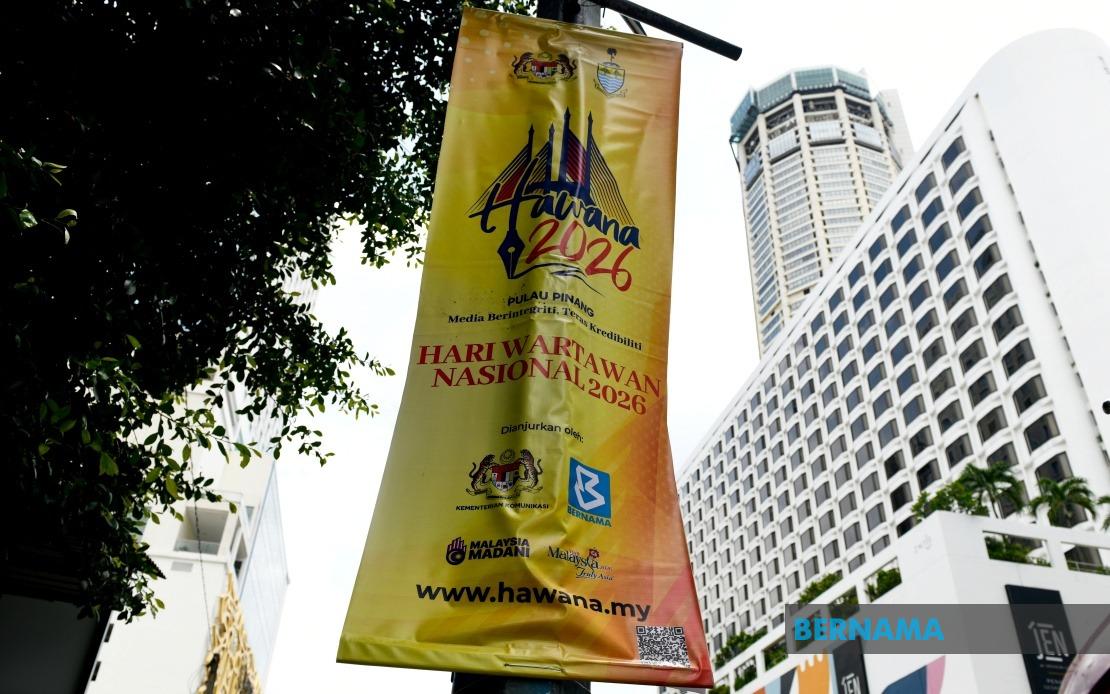
Penang is poised to welcome one of Malaysia's most significant media industry gatherings this month, with Chief Minister Chow Kon Yeow expressing strong confidence that the National Journalists' Day (HAWANA) 2026 celebration will achieve its ambitious goals. The state administration has invested considerable effort into coordinating with the Communications Ministry over the past two to three months to ensure seamless execution of what officials describe as a prestigious occasion honouring the journalism profession.
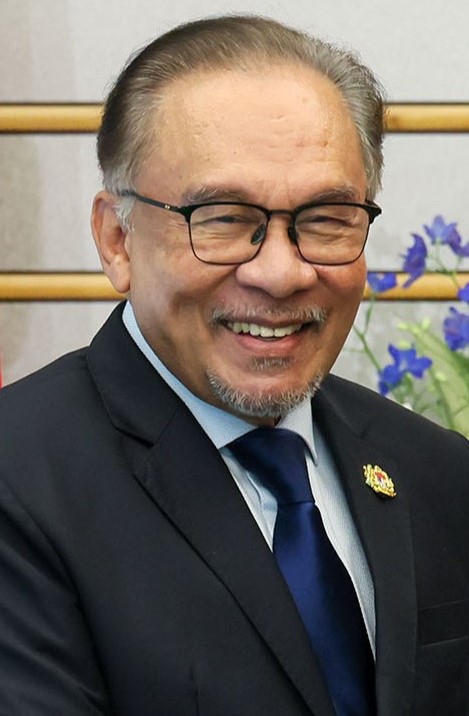
The HAWANA 2026 Summit represents a major recognition of media practitioners' roles in Malaysian society. The centrepiece event will take place at PICCA Convention Centre @ Butterworth Arena, with Prime Minister Datuk Seri Anwar Ibrahim officiating on June 20. This high-level government backing underscores the national importance placed on celebrating journalistic achievement and reinforcing media standards across the country. The summit is expected to draw approximately 1,000 media professionals from Malaysia and international destinations, creating a rare convergence of the region's news industry.
Chow outlined the broader scope of celebrations anchored by the theme "Media Integrity Strengthens Credibility." The state government has contributed resources and logistical support to complement the national organising effort led by the Ministry of Communications, with the Malaysian National News Agency (Bernama) serving as implementing agency. This collaborative structure reflects recognition that HAWANA serves broader public interest by reinforcing appreciation for journalistic professionalism and dedication across Malaysia's diverse media landscape.
Culturally, the celebration extends well beyond professional circles through the RIUH Pi HAWANA Carnival, a three-day public festival at the same Butterworth venue. This companion event represents an innovative approach to media appreciation, bringing journalism into community spaces and demystifying the industry for general audiences. Organisers project approximately 30,000 visitors will participate in carnival activities, substantially broadening the event's reach beyond media professionals and government officials.
The carnival programming reveals deliberate effort to make media and creativity accessible to ordinary Malaysians. More than 24 local creative product brands have been invited to showcase their work, while 20 food and beverage vendors create the festive atmosphere typical of Malaysian community celebrations. This commercial dimension supports local entrepreneurship while generating economic activity around the event. The integration of food, entertainment, and commerce alongside serious professional programming reflects contemporary event design principles that blend education with entertainment.
Interactive workshops represent another carnival component designed to foster public engagement with creative industries. These sessions invite visitors to participate in creative activities and explore various artistic practices, positioning media professionals and content creators as accessible figures rather than distant specialists. Such direct engagement opportunities help younger Malaysians understand career pathways in journalism, broadcasting, and digital media while building appreciation for the skills required in these professions.
Entertainment programming at the carnival reflects local music culture and generational appeal. Sixteen free stage performances will feature artists including Exists, Bunkface, Masdo, Sakura Band, Budak Nakal Hujung Simpang, and Chelsea Ng, representing a cross-section of Malaysian contemporary music. This programming strategy ensures the celebration resonates across age groups and musical preferences, preventing the event from appearing exclusively professional or institutional.
The parallel Media Dinner scheduled for June 19 with Penang Governor Tun Ramli Ngah Talib adds an official ceremonial dimension to proceedings. Such structured networking opportunities between government leadership and media practitioners reinforce formal recognition of journalism's role in governance and democratic functioning. These formal occasions, distinct from carnival festivities, maintain professional standards while facilitating dialogue between institutional and journalistic leadership.
For Malaysian media watchers and industry participants, HAWANA 2026's emphasis on integrity and credibility carries particular significance in contemporary information environments. The chosen theme directly addresses concerns about media trustworthiness and journalistic standards that have become increasingly prominent across Southeast Asia. By centring these themes at a major national celebration, the Malaysian government signals commitment to supporting quality journalism and professional standards in the face of misinformation and erosion of institutional trust.
Penang's selection as host venue carries practical and symbolic advantages. The state has established itself as a significant economic and tourism hub, with infrastructure capable of accommodating large-scale events. Butterworth's central peninsular location makes the venue accessible for journalists from Kuala Lumpur, Ipoh, and other major centres while positioning Penang as a media industry focal point beyond the capital city. This geographic distribution of major national events helps balance development and recognition across Malaysian regions.
Chow's public expressions of confidence aim to project professional competence and reassure stakeholders that Penang can successfully execute complex national-level celebrations. Such statements serve dual purposes: communicating to media practitioners that their event receives serious organisational attention, while signalling to the federal government and international observers that Penang possesses event management capabilities. In Malaysia's competitive federalism, successfully hosting prestigious national celebrations enhances state government prestige and demonstrates administrative capability.
The HAWANA 2026 celebration ultimately reflects broader national conversation about media's role in Malaysian society at a moment when information ecosystems face significant challenges. By honouring journalistic contributions while emphasising integrity standards, the event positions professional media as essential institutional infrastructure rather than peripheral cultural activity. For Penang, hosting this celebration offers opportunity to reinforce its identity as a centre of excellence and professionalism beyond commerce and tourism.
Success metrics for HAWANA 2026 will likely extend beyond attendance figures to include media coverage quality, international participation levels, and subsequent industry dialogue sparked by summit discussions. The event represents investment in sustaining Malaysia's journalism profession and reinforcing standards that ultimately benefit all citizens who depend on reliable information. Chow's confidence appears grounded in thorough preparation and clear commitment to honouring Malaysia's media community at a critical moment for journalism globally.