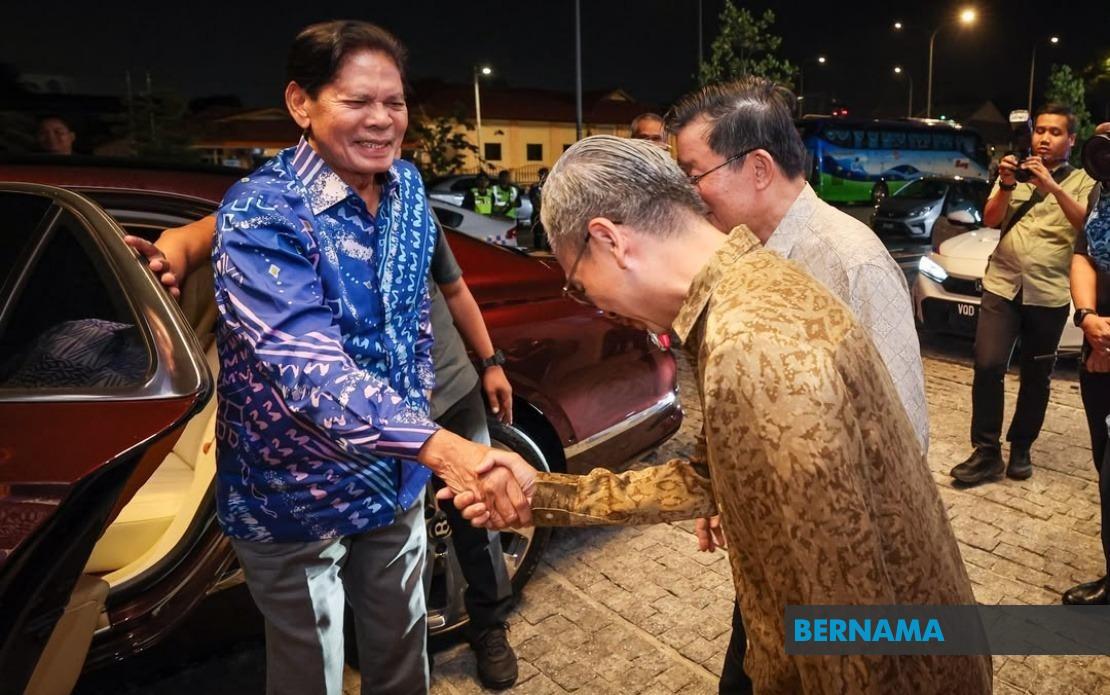
The Penang state government hosted a recognition dinner on June 19 honouring media practitioners and editors from across Malaysia and the broader ASEAN region as part of National Journalists' Day celebrations, underscoring the press's indispensable contribution to the country's continued development and progress.
The event assembled approximately 350 attendees in a celebratory atmosphere at Butterworth, bringing together working journalists, senior editorial staff, executives from major news organizations both domestic and international, industry veterans, and state government officials. The gathering served as a prelude to the formal HAWANA 2026 main programme, which would take place the following day and draw substantially larger attendance from across the region.
Among the dignitaries present were Penang Chief Minister Chow Kon Yeow and Communications Minister Datuk Fahmi Fadzil, alongside senior civil servants including Penang State Secretary Datuk Seri Zulkifli Long and Communications Ministry Secretary-General Datuk Abdul Halim Hamzah. International participation reflected HAWANA's expanding regional significance, with representation from Timor-Leste's government communications office, including Secretary of State for Social Communication Expedito Loro Dias Ximenes, signalling the event's growing cross-border influence in Southeast Asian media circles.
Leadership from Malaysia's principal news agencies and media houses attended in substantial numbers, demonstrating the sector's unified recognition of the occasion's importance. Bernama, the national news agency, was represented at the highest levels through its chairman and chief executive officer, while editors-in-chief and senior executives from major outlets including New Straits Times, Sin Chew Daily, The Star, Daily Express Sabah, and Astro Awani were present to celebrate their peers and acknowledge shared professional values.
The presence of international media delegates significantly elevated the event's regional stature and practical importance. Visitors included the president of Timor-Leste's national news agency TATOLI Agencia Noticiosa de Timor-Leste, representatives of Indonesian media organizations including ANTARA bureau leadership and officials from Indonesia-Malaysia journalists' associations. This cross-border attendance demonstrated how HAWANA has matured into a genuinely transnational platform that facilitates meaningful professional dialogue among Southeast Asian media communities.
The broader HAWANA 2026 event, centered on the theme 'Media Integrity Strengthens Credibility', represented an organized initiative by the Communications Ministry with Bernama serving as the principal implementing agent. The programme aimed to formally recognize the contributions, dedication, and professional standards demonstrated by Malaysia's journalism community while offering space for regional and international media practitioners to engage in substantive conversation about shared challenges and opportunities in contemporary news work.
Prime Minister Datuk Seri Anwar Ibrahim was scheduled to officiate the main HAWANA 2026 event the following day at the PICCA Convention Centre @ Butterworth Arena, marking the highest level of governmental affirmation for the journalism profession. The participation of the prime minister signalled national prioritization of media's societal role during a period when journalists across Southeast Asia face increasing scrutiny and evolving demands regarding accuracy, impartiality, and audience trust.
Complementing the professional gathering, a three-day carnival designated RIUH Pi HAWANA launched simultaneously at the same venue, designed to engage the general public with media and creative industries. Organizers anticipated approximately 30,000 public visitors throughout the carnival's duration, indicating substantial community interest in understanding journalism and media production processes beyond professional circles.
The carnival programming incorporated 24 local creative product brands alongside 20 food and beverage vendors, positioning the event as a comprehensive cultural experience rather than narrowly focused professional gathering. Interactive workshops enabled visitors to participate in hands-on creative activities, democratizing access to media literacy and production knowledge among ordinary Malaysians. The inclusion of 16 stage performances featuring well-known local musicians including Exists, Bunkface, and Masdo added entertainment value while maintaining focus on supporting local artistic talent and creative industries that increasingly intersect with journalism and media work.
Free admission to all carnival attractions and performances removed financial barriers to public engagement, reflecting deliberate policy to position media practitioners and creative workers as integral to community life rather than distant institutions. This approach acknowledges growing public skepticism regarding media credibility across Southeast Asia and attempts to rebuild professional-audience relationships through direct interaction and transparency about how news organizations and creative enterprises function.
HAWANA 2026's emphasis on media integrity and credibility as its central organizing theme directly addresses contemporary challenges confronting journalism throughout the region. In Malaysia specifically, journalists navigate complex terrain involving concerns about press freedom, editorial independence, political pressure, and competition from unverified digital information sources. The official recognition at governmental and professional leadership levels communicated commitment to supporting journalistic standards during a period of significant institutional and technological transition affecting news industries globally.
The gathering represented more than ceremonial acknowledgment of professional contribution. It conveyed deliberate positioning of journalism as essential infrastructure for democratic governance and informed public discourse. In the Malaysian context, where media landscapes have experienced substantial consolidation and where concerns periodically arise regarding editorial independence and political influence, such formal governmental recognition of journalistic professionalism carried substantive significance for industry morale and professional identity.
The international dimension of HAWANA 2026 positioned Malaysia within broader ASEAN conversations about media standards, professional ethics, and journalism's societal role during a period when regional governments and media industries confront shared challenges including misinformation, declining reader revenue, and technological disruption. By hosting journalists from across Southeast Asia and beyond, Malaysia signalled regional leadership in addressing these transnational issues through professional dialogue and knowledge-sharing rather than through regulatory or restrictive approaches.

