Penang police have unveiled a comprehensive security and traffic management strategy for the upcoming HAWANA 2026 National Journalists' Day celebration, set to take place at PICCA Convention Centre @ Butterworth Arena. Penang police chief Datuk Azizee Ismail has assured stakeholders that the event will proceed smoothly without disrupting the daily routines of residents and road users in the surrounding area. The three-day event, commencing this Friday, represents a significant gathering for Malaysia's media industry and the broader community, necessitating careful coordination between law enforcement and event organisers.
The policing approach for HAWANA 2026 draws directly from successful precedent. Datuk Azizee outlined that the department has implemented lessons learned from the Malaysia Day 2025 celebration held at the identical venue, where similar traffic and security protocols were executed effectively. This institutional memory allows the police force to deploy tried-and-tested methodologies while accounting for the specific challenges of the larger HAWANA event. The continuity in approach provides confidence that established procedures, already proven effective under real conditions, will be replicated with appropriate scaling to accommodate the anticipated larger crowd.
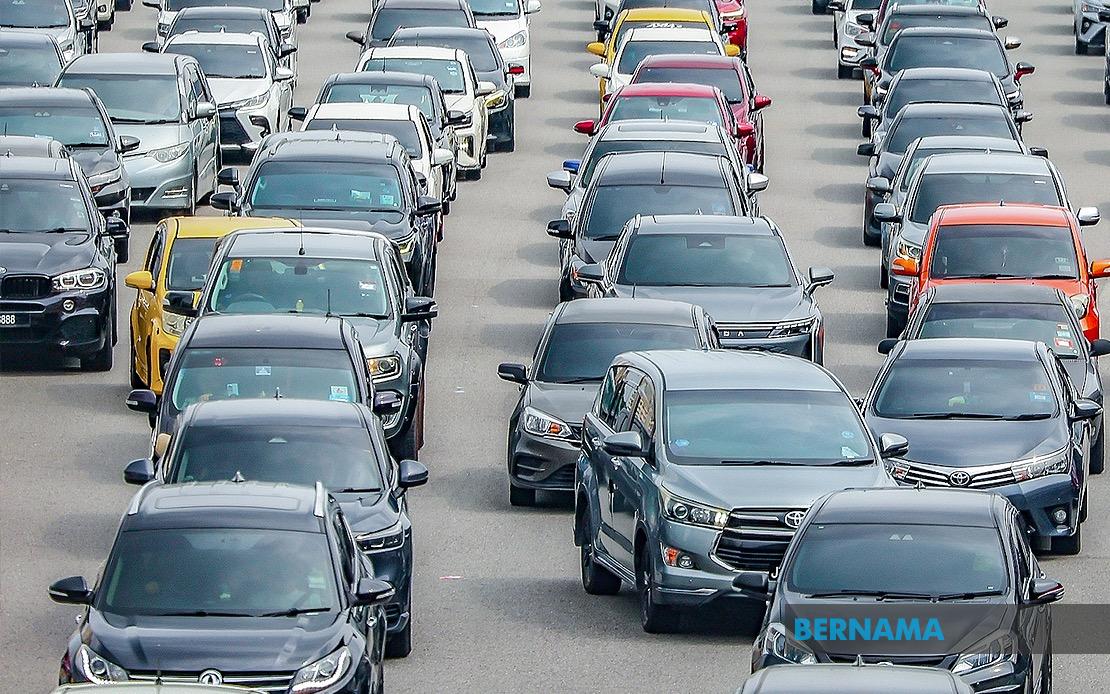
A defining feature of the security plan is the explicit commitment to maintaining open main roads throughout the event duration. Rather than implementing blanket closures that would significantly inconvenience the travelling public, Penang police will employ strategic road diversions that guide traffic around congestion points whilst preserving access to the PICCA venue. This balancing act reflects sophisticated traffic management philosophy—acknowledging that major events require intervention whilst recognising the legitimate needs of non-attendees who depend on these arterial routes for essential commuting and commerce. Traffic officers will be positioned at major intersections to facilitate smooth vehicle movement and ensure that diversions function as intended without creating secondary bottlenecks elsewhere in the network.
The scale of police deployment mirrors that deployed during the Malaysia Day 2025 event, indicating that organisers have calculated the personnel requirements necessary to manage both the summit proper and the accompanying carnival. This parallel staffing level suggests confidence that previous resource allocation proved adequate and that no fundamental changes to the security environment necessitate significant augmentation. The consistency in personnel deployment also allows individual officers and units to potentially draw upon their previous experience with this specific venue and event type, potentially enhancing operational effectiveness through accumulated familiarity.
The underlying security philosophy emphasises proactive rather than reactive measures. Datuk Azizee specifically referenced "various proactive measures" that have been implemented across multiple operational domains. This forward-thinking approach extends beyond visible traffic control to encompass background security coordination, venue risk assessment, and contingency planning for various scenarios. For a gathering drawing approximately 1,000 media practitioners from Malaysia and overseas, coupled with 30,000 carnival visitors, the security footprint must address both the high-profile nature of the summit and the logistical complexity of managing large public gatherings.
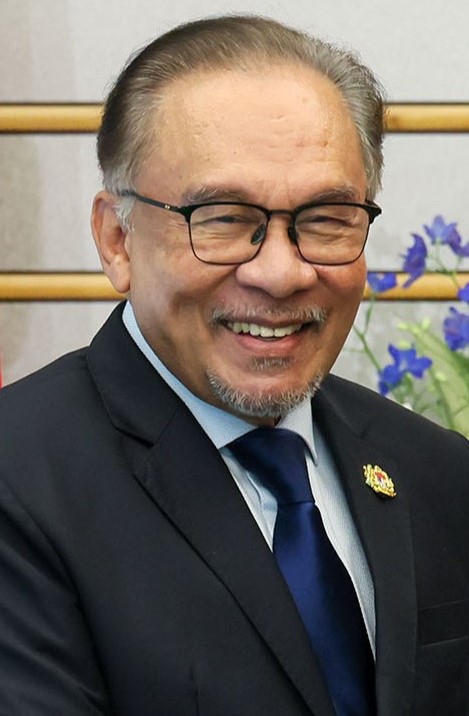
The HAWANA 2026 summit itself carries particular significance within Malaysia's media landscape. Prime Minister Datuk Seri Anwar Ibrahim will officiate the opening, signalling government endorsement and the event's elevation as a national platform. The summit's theme, "Media Integrity Strengthens Credibility," addresses contemporary concerns about media trustworthiness and professional standards in an era of information proliferation. The gathering of 1,000 media professionals from both domestic and international backgrounds creates an environment where substantive professional dialogue can occur, supported by the surrounding carnival infrastructure that extends public engagement beyond the core summit activities.
The accompanying Riuh Pi HAWANA carnival represents the public-facing dimension of the celebrations, drawing anticipated attendance of 30,000 visitors over three days. This carnival component features more than 24 local creative product brands alongside 20 food and beverage vendors, creating a dynamic marketplace that showcases Malaysian entrepreneurship and creative industries. The incorporation of 16 stage performances featuring established local artists including Exists, Bunkfac, Masdo, Sakura Band, Budak Nakal Hujung Simpang and Chelsea Ng, offered at free admission, transforms the event into a genuine community celebration rather than an exclusive professional gathering. This democratisation of access reflects broader public interest in media professionals and the creative sectors they intersect with.
The event's organisation under the Ministry of Communications, with Bernama serving as the implementing agency, underscores governmental recognition of journalism's institutional importance. The summit functions as a culminating platform honouring media practitioners' contributions, perseverance, and professionalism—acknowledgment that journalism operates as a fundamental pillar of democratic functioning and public discourse. For Malaysian readers and the broader Southeast Asian context, such events affirm professional standards and ethical frameworks that sustain media credibility amid ongoing regional debates about information integrity and journalistic independence.
For residents and commuters in the Butterworth area, Datuk Azizee's advisory to plan journeys in advance and observe traffic personnel instructions offers practical guidance for navigating the event period. The police assurance that main roads remain open, combined with the promise that diversions will be actively managed, suggests that inconvenience, whilst inevitable, should remain circumscribed rather than catastrophic. Those requiring passage through the area during the three-day period should anticipate localised delays and adjust travel schedules accordingly, but the fundamental connectivity of the road network will be preserved.
The security preparations also reflect confidence in Malaysia's capacity to host large, multi-purpose public events involving high-profile government participation and substantial civilian attendance. The event's international dimension—attracting overseas media practitioners—presents opportunities for showcasing Malaysian institutional competence and hospitality. The seamless integration of security, traffic management, and public event programming demonstrates coordination across multiple government agencies and private operators, a complexity that requires substantial prior planning and inter-departmental communication.
Looking forward, the success of HAWANA 2026 will likely influence how future national-scale events are structured and policed in Malaysia. If the balance between security, public convenience, and event functionality is achieved successfully, the model may become template for subsequent gatherings. The emphasis on learning from previous events—in this case, the Malaysia Day 2025 celebration—demonstrates institutional commitment to continuous improvement and evidence-based decision-making in public security administration. For event organisers, vendors, participants, and the travelling public, the stage is set for a significant media industry celebration that simultaneously honours professional journalism and engages broader Malaysian society.