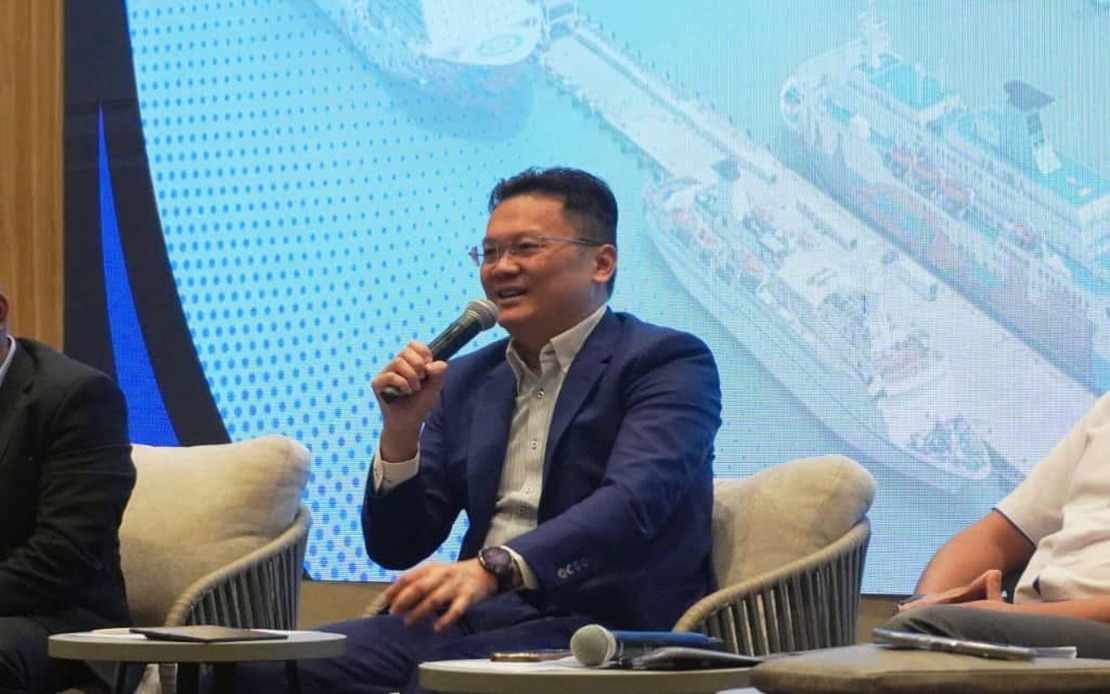
Penang Port Commission has introduced a comprehensive Standard Operating Procedure governing the handling of ship-generated waste across all port terminals, marking a significant step towards aligning the facility with Malaysia's broader environmental sustainability commitments. The move signals PPC's determination to establish uniform standards for waste management operations while reinforcing compliance with Malaysian environmental legislation and international maritime conventions. Datuk Yeoh Soon Hin, the commission's chairman, underscored that the new framework aims to ensure all waste-handling activities proceed in a safe, organised and legally compliant manner, directly supporting the port's evolution towards low-carbon operations.
The regulatory structure unveiled by PPC represents a multi-layered approach to environmental governance at Malaysia's second-largest container port. Rather than imposing blanket restrictions, the commission has established a licensing regime that grants operational approval only to waste management companies meeting stringent criteria. Prospective operators must secure valid licences directly from PPC, alongside clearances from the Department of Environment, National Water Services Commission (SPAN), Royal Malaysian Customs Department and relevant municipal authorities. This coordinated approval process reflects recognition that port waste management intersects multiple regulatory domains and requires integrated oversight to be effective.
Central to the new SOP is a classification system that disaggregates ship-generated waste into three distinct categories, each subject to differentiated handling protocols. Scheduled waste from ships—typically comprising hazardous materials including oils, batteries and chemical residues—represents the highest environmental risk and demands the most stringent containment and disposal measures. Domestic waste, encompassing general rubbish and dunnage (packing materials used to secure cargo), forms a second category requiring standard waste processing. Sewage waste from vessels constitutes the third classification, necessitating treatment processes that comply with water quality standards before discharge or collection. This granular categorisation enables PPC to tailor oversight mechanisms to the specific risks posed by each waste stream.
Operational transparency forms a cornerstone of the framework. Licensed operators are mandated to verify waste quantities in coordination with vessel representatives before any handling commences, establishing an auditable record at the point of transfer. Following completion of waste operations, operators must submit declaration documents—including disposal notes and discharge records—to PPC and relevant government agencies. This documentary trail creates accountability across the waste management chain and furnishes regulators with the data necessary to monitor compliance patterns and identify potential environmental violations. The requirement addresses a longstanding challenge in maritime waste management: the opacity that historically surrounded waste handling and disposal practices.
The initiative directly responds to Transport Minister Anthony Loke's articulated vision for transforming Malaysia's ports into environmentally responsible facilities. The Green Port aspiration extends beyond operational efficiency to encompass comprehensive pollution prevention and marine ecosystem protection. By instituting mandatory licensing, waste quantity verification and post-operation reporting protocols, PPC demonstrates institutional commitment to translating ministerial directives into enforceable operational requirements. The framework further encourages recycling and waste reduction by requiring operators to utilise approved disposal facilities and document the final disposition of waste, creating incentive structures that favour sustainable practices over indiscriminate discharge.
From a maritime industry perspective, the SOP carries implications for port competitiveness and operational costs. Shipping lines and their agents must now navigate a more structured compliance landscape, potentially increasing administrative burdens and waste management expenses. However, the standardisation offered by PPC's framework may ultimately reduce uncertainty and duplicative compliance efforts that previously characterised ad-hoc waste handling arrangements. Ports competing for international shipping traffic increasingly market environmental credentials as a competitive advantage; Penang's proactive stance positions the facility favourably relative to regional counterparts that have yet to implement comparable governance frameworks.
The regulatory architecture also reflects evolving international maritime standards, particularly the International Maritime Organization's protocols regarding port state control and ship-generated waste management. Malaysia's signatory status to the Convention for the Prevention of Pollution from Ships (MARPOL) and related instruments creates legal obligations to enforce waste management standards at national ports. PPC's SOP represents institutional infrastructure enabling Malaysia to satisfy these international commitments while protecting domestic marine environments. The framework thus serves dual purposes: advancing national environmental priorities whilst ensuring compliance with international obligations that carry reputational and commercial consequences for non-compliance.
Monitoring and enforcement mechanisms embedded within the SOP will determine its practical effectiveness. Datuk Yeoh indicated that PPC intends to conduct regular inspections and audits of licensed operators, reviewing compliance with waste handling conditions and investigating irregularities. This active monitoring stance differs substantially from purely regulatory frameworks that rely primarily on self-reporting. By combining verification protocols with inspection regimes, PPC establishes deterrents against corner-cutting that might otherwise occur where enforcement appears passive. The commission's commitment to enhancing compliance through ongoing scrutiny suggests recognition that environmental standards achieve meaningful outcomes only when paired with credible enforcement capacity.
The SOP also contemplates technological advancement and the adoption of industry best practices in waste reduction and recycling. Rather than prescribing specific techniques, PPC has signalled openness to innovation that achieves environmental objectives. This flexibility permits port operators and waste management companies to experiment with emerging technologies—including waste treatment systems, recycling processes and digital tracking platforms—without requiring periodic regulatory amendments. Such adaptive governance approaches represent best practice in sectors characterised by rapid technological change and evolving operational standards.
For Malaysian port users and environmental advocates, the framework addresses legitimate concerns regarding marine pollution that have periodically surfaced in regional waters. Improper waste disposal from vessels contributes to ocean degradation, coastal pollution and threats to marine biodiversity. By establishing standardised, monitored procedures for waste handling at Penang Port, PPC contributes to broader efforts to minimise maritime environmental degradation. The success of this initiative may also influence practices at other Malaysian ports and establish precedents that strengthen environmental governance across the national maritime infrastructure.
The implementation timeline and specific operational details remain to be clarified through port circulars and operational guidelines that PPC will issue to industry participants. Waste management operators will require time to adapt their procedures, secure requisite approvals and establish systems for documentary compliance. PPC has indicated ongoing commitment to supporting implementation, suggesting the commission recognises that regulatory success requires collaborative engagement with industry stakeholders. This inclusive approach to enforcement may facilitate faster adoption and more consistent compliance than would result from purely punitive regulatory strategies.
Ultimately, Penang Port's new waste management SOP exemplifies how Malaysian ports can operationalise sustainability commitments through structured governance frameworks. By combining licensing requirements, waste categorisation, verification protocols, post-operation documentation and active monitoring, PPC has constructed a comprehensive system addressing multiple dimensions of environmental risk. The framework's success will demonstrate whether integrated regulatory approaches can effectively balance commercial port operations with rigorous environmental protection, potentially serving as a model for other Malaysian maritime facilities pursuing similar sustainability objectives.

