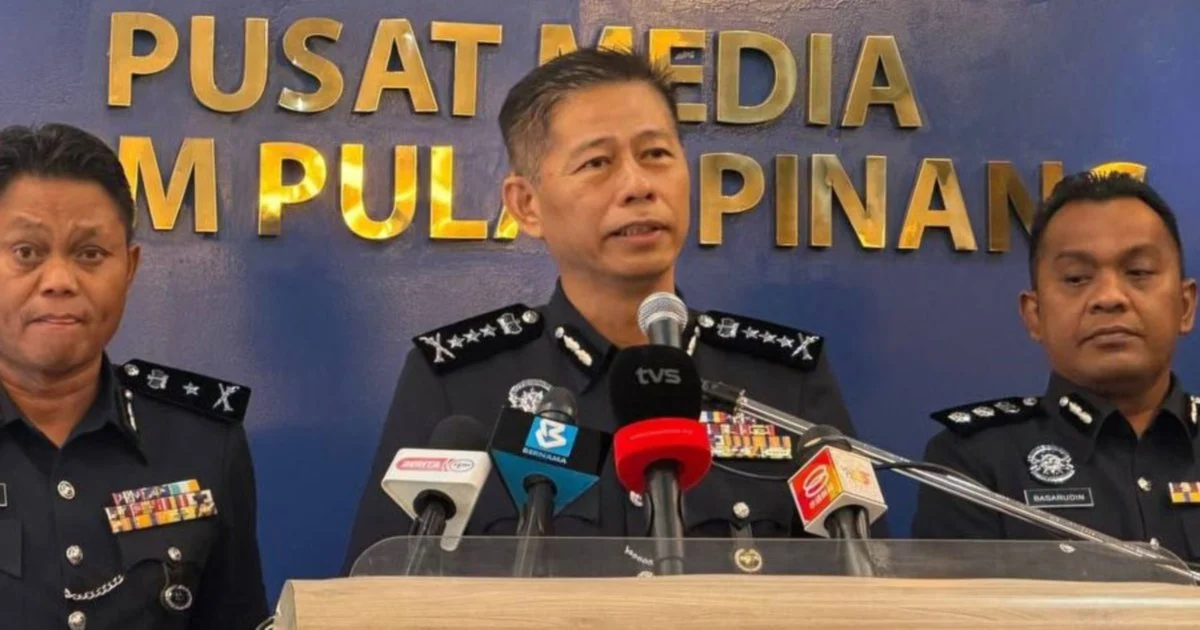
Penang's police force is preparing a more aggressive campaign against illegal wagering networks as the FIFA World Cup tournament progresses towards its final matches, reflecting growing concerns about underground gambling operations capitalizing on the global sporting spectacle. The intensified enforcement push comes as authorities report that 31 individuals have already been apprehended across the state on betting-related offences during the tournament period.
The announcement signals a coordinated response to what law enforcement views as a seasonal surge in clandestine gambling activities. Major sporting events like the World Cup historically draw heavy betting action in Malaysia, particularly through informal channels that operate outside regulatory oversight. For Penang's police, the window of heightened enforcement represents an opportunity to disrupt established networks while public attention on the tournament remains elevated.
Illegal betting operations in Malaysia have long posed challenges for authorities, operating through diverse channels ranging from traditional bookmaker networks to modern digital platforms. These underground markets thrive during international tournaments, when heightened interest in matches creates opportunities for operators to attract new customers and increase wagering volumes. The informal nature of such operations means participants often lack consumer protections and may fall prey to disputes over winnings or predatory lending practices tied to gambling debts.
The Penang police strategy reflects broader national concerns about underground gambling's intersection with organized crime and loan-sharking. Illegal betting networks frequently operate in tandem with other criminal enterprises, creating interconnected ecosystems of financial exploitation. Unpaid gambling debts have historically motivated criminal debt collection activities, property crimes, and occasionally violent incidents in Malaysian communities. By targeting the supply side of illegal betting during peak demand periods, police aim to disrupt these financial criminal networks before they expand operational footprint.
Malaysia's regulatory framework for gambling remains tightly controlled, with legitimate betting limited to government-sanctioned outlets and licensed operators. The Sports Toto and Magnum betting schemes represent the legal channels through which residents can participate in sports gambling under state oversight. These licensed operations contribute revenue to state governments and are subject to regulatory scrutiny. The persistence of illegal alternatives despite this licensed ecosystem underscores the profitability of underground markets and the challenge of completely eliminating informal gambling culture through enforcement alone.
From a practical enforcement standpoint, targeting illegal betting during major tournaments presents distinct operational advantages. Police intelligence gathering becomes easier when syndicate members activate dormant networks and increase communication activity around match schedules. The predictable rhythm of tournament matches provides a framework within which authorities can anticipate increased illegal wagering transactions and position resources accordingly. Additionally, public awareness campaigns conducted during major sporting events achieve greater resonance, as the relevant context is fresh in public consciousness.
The timing of this crackdown holds particular significance for Southeast Asian communities, where the World Cup generates substantial cultural engagement and financial interest. Malaysian society, like other regional nations, demonstrates passionate football followership that extends across all socioeconomic strata. This democratized interest creates unique opportunities for illegal operators to penetrate mainstream communities with customer bases far beyond traditional gambling demographics. First-time bettors attracted by tournament excitement may subsequently become regular participants in underground markets, gradually increasing societal exposure to informal gambling's associated risks.
For Penang specifically, which operates under state government jurisdiction with considerable autonomy in policing matters, this crackdown reflects local administrative priorities regarding crime and social order. State police forces in Malaysia possess capacity to implement localized enforcement strategies responsive to regional conditions. Penang's enforcement intensity may differ from neighboring Kedah or Selangor, creating a patchwork of varying enforcement environments across the peninsula. This geographical variability in enforcement creates interesting dynamics where operators may shift activities across state lines, or where residents aware of differential enforcement levels make calculated choices about where to place wagers.
The 31 arrests logged so far provide a baseline measure of enforcement activity but deserve contextual interpretation. Arrest figures capture only those individuals successfully apprehended and processed, likely representing a fraction of total illegal betting participants. These numbers typically include street-level operators, runners, and smaller financial participants rather than network coordinators or substantial fund holders who employ additional operational security. The actual scale of underground betting participation almost certainly exceeds what arrest statistics indicate, suggesting the crackdown addresses visible manifestations of broader underground markets.
Moving forward, the effectiveness of Penang's intensified operations will depend partly on technological adaptation and intelligence-sharing mechanisms. Modern illegal betting increasingly migrates toward encrypted messaging platforms, cryptocurrency transactions, and international betting sites beyond domestic jurisdiction's reach. Traditional enforcement approaches focused on physical locations and documented transactions become less effective against operationally sophisticated networks. Authorities attempting to maximize crackdown impact must therefore combine conventional law enforcement with financial investigations and digital forensics.
The broader implications for Malaysian society extend beyond immediate enforcement statistics. Intensified policing during tournaments, while necessary, also reflects a recognition that addressing illegal gambling requires multifaceted approaches encompassing prevention education, debt counseling services, and social interventions targeting vulnerability factors driving participation. Communities most vulnerable to problem gambling—including lower-income populations under financial pressure and younger demographics with limited financial literacy—require protective mechanisms beyond enforcement.
For Malaysian football enthusiasts engaging legitimately through licensed channels, the police operation underscores the distinction between regulated and underground gambling environments. Licensed operators provide consumer protection frameworks, responsible gambling tools, and transparent odds structures unavailable in informal markets. As the World Cup reaches its culmination with heightened emotional intensity, authorities hope their visible enforcement presence encourages residents toward legitimate wagering alternatives while disrupting criminal networks capitalizing on tournament excitement.

