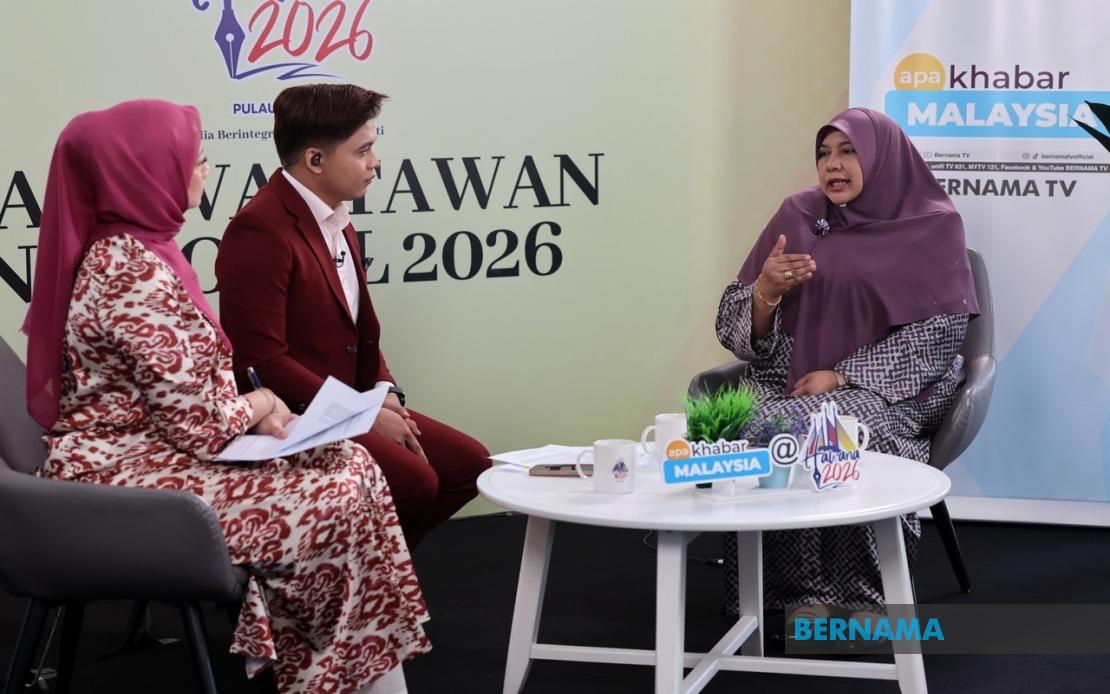
Penang becomes the epicentre of Malaysia's media landscape tomorrow when the National Journalists' Day (HAWANA) 2026 concludes with a major gathering designed to reinforce the importance of journalism in upholding public trust. The summit, scheduled to commence at 3 pm, will draw approximately 1,000 media professionals from across the nation and beyond to an occasion rooted in celebrating the profession's commitment to delivering information with both integrity and credibility. The keynote event reflects growing recognition among government and industry stakeholders that media organisations face mounting pressures to maintain professional standards in an increasingly fragmented news environment.
Prime Minister Datuk Seri Anwar Ibrahim will officiate the proceedings, signalling the federal government's investment in the discourse surrounding journalistic ethics and institutional credibility. The summit's overarching theme, "Media Integrity Strengthens Credibility", encapsulates a broader conversation about the media's foundational role in sustaining democratic institutions and public discourse. Penang Chief Minister Chow Kon Yeow and Communications Minister Datuk Fahmi Fadzil are among the notable dignitaries expected to participate, alongside Communications Ministry secretary-general Datuk Abdul Halim Hamzah, underscoring the multi-level government engagement with media sector concerns.
The event brings together influential figures from Malaysia's news establishment, including Malaysian National News Agency (Bernama) chairman Datuk Seri Wong Chun Wai and Bernama chief executive officer Datin Paduka Nur-ul Afida Kamaludin, whose organisation has spearheaded the planning efforts. Leadership from major local media corporations will also attend, creating an environment where strategic partnerships and professional networks can be strengthened. This assembly of media executives and practitioners represents a deliberate effort to consolidate the sector's collective response to contemporary challenges facing journalism, from digital disruption to declining public confidence.
Nur-ul Afida, who chairs the HAWANA 2026 Working Committee, has positioned the summit as more than a ceremonial appreciation of journalists' contributions. Instead, she characterises it as a functional platform designed to deepen professional relationships and foster community understanding of media work. The expansion of partnerships, particularly with MyCreative Venture under the Ministry of Communications, has enabled the concurrent RIUH Pi HAWANA Carnival, creating a broader public engagement strategy. This multi-pronged approach suggests recognition that media institutions must actively demonstrate their value to communities rather than relying solely on implicit trust in their missions.
The carnival component, running for three days at the PICCA Convention Centre parking lot beginning today, reflects deliberate efforts to make the media profession more accessible and engaging to the public. By featuring performances from local artists including Exists, Bunkface, Masdo, Sakura Band, Budak Nakal Hujung Simpang and Chelsea Ng, organisers have created an entertainment dimension that appeals beyond traditional journalism circles. The inclusion of more than 24 local creative product brands and 20 food and beverage vendors transforms the celebration into a community marketplace, while interactive workshops offer educational components that extend understanding of media production and digital content creation.
Broadcasting arrangements demonstrate the organisers' commitment to national reach and accessibility. The live transmission on Bernama TV, followed by continued broadcast through Radio Television Malaysia (RTM) and TV AlHijrah, alongside dissemination across local social media platforms, ensures the summit's key messages penetrate diverse audience segments across the nation. This multimedia distribution strategy reflects contemporary media consumption patterns while maintaining engagement with traditional broadcast audiences, ensuring that the summit's themes receive exposure beyond the immediate participant community.
The Prime Minister's scheduled activities at the summit carry symbolic weight beyond ceremonial functions. Distribution of contributions from Tabung Kasih@HAWANA to veteran journalists in need addresses welfare concerns within the profession, while the presentation of HAWANA Award and HAWANA Special Award recognises individuals whose contributions have shaped journalism and influenced public discourse. These presentations serve dual purposes: honouring professional achievement while publicly reinforcing standards and exemplars that the sector seeks to maintain and propagate.
HAWANA's annual observance on May 29 commemorates the publication of the first edition of Utusan Melayu newspaper on that date in 1939, anchoring modern celebrations to journalism's substantial institutional history in Malaysia. This historical connection provides contemporary media practitioners with a narrative of professional continuity spanning more than eight decades, linking current efforts to maintain credibility with foundational commitments established generations prior. The deliberate invocation of this historical lineage during periods of media sector uncertainty offers practitioners and institutions a grounding principle from which to navigate contemporary pressures.
The Ministry of Communications' central role in organising and sponsoring HAWANA underscores government investment in the media sector's institutional health and professional development. By positioning credibility and integrity as the summit's organising themes rather than merely celebrating journalism's informational function, policymakers signal their recognition that public confidence depends fundamentally on professional standards and ethical practice. For Malaysian media practitioners, this government-level endorsement of integrity-focused discourse may provide political and institutional support for editorial decisions that prioritise accuracy and authentication over speed or sensationalism.
For Southeast Asian media observers, Malaysia's HAWANA summit demonstrates regional approaches to sustaining journalistic professionalism amid shared challenges of digital transformation, misinformation proliferation, and declining audience trust in institutions. The gathering's scale and multi-stakeholder participation suggest a robust infrastructure for professional development and networking within Malaysia's media sector, a resource that may have strategic value as comparable institutions in neighbouring nations face mounting institutional pressures.
The convergence of approximately 1,000 media practitioners in Penang tomorrow represents a significant moment for collective reflection on journalism's contemporary role and future trajectory. Beyond the ceremonial dimensions and entertainment programming, the summit's existence itself testifies to persistent belief among media leaders, government officials, and industry stakeholders that professional journalism remains essential to national democratic function. Whether this collective affirmation translates into substantive reforms in newsroom practices, editorial standards, or institutional governance structures will determine whether HAWANA 2026 becomes remembered as a symbolic moment or as a catalyst for meaningful institutional evolution.

