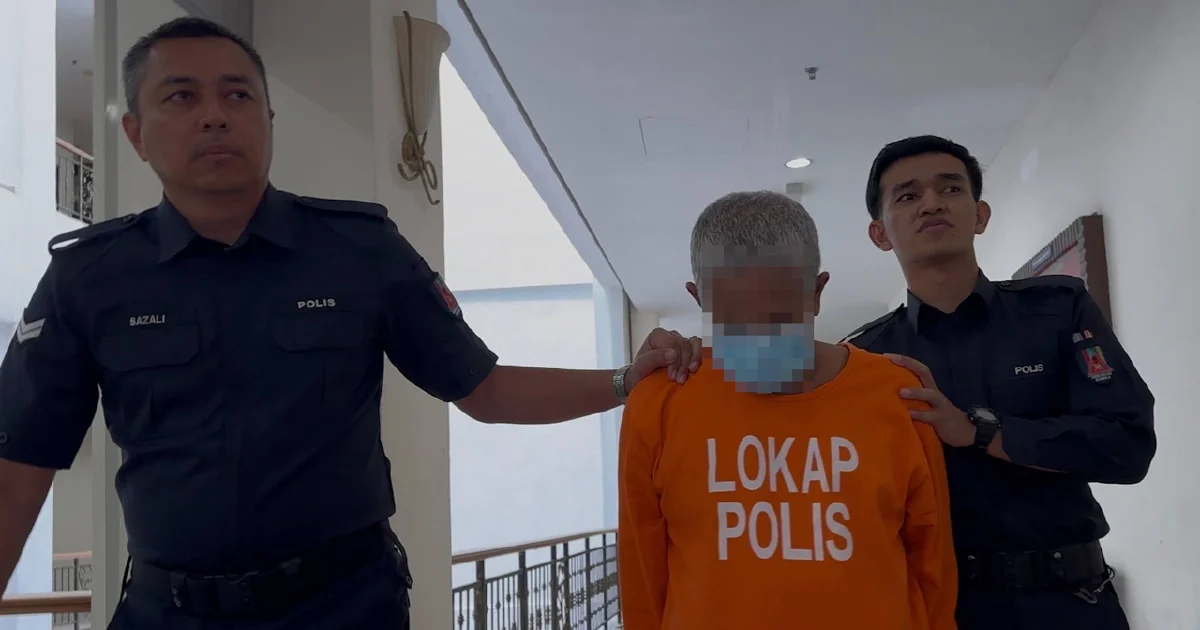
A 67-year-old pensioner has been handed down a lengthy sentence of 33 years imprisonment coupled with 14 cane strokes in the Sessions Court at Muar today, following his admission of culpability in five separate charges involving the rape and sexual assault of his two granddaughters. The severity of the punishment underscores the gravity with which Malaysian courts treat crimes of a sexual nature, particularly those perpetrated against children and vulnerable family members within the domestic sphere.
The decision to enter a guilty plea represented a significant turning point in the proceedings. By acknowledging his crimes rather than forcing a trial, the offender expedited the judicial process, though this did not result in leniency proportionate to the admission. The five counts encompassed multiple instances of rape and sexual assault, indicating a pattern of abuse that extended across time and targeted more than one victim within the family structure.
Cases involving sexual crimes against children and young persons typically provoke strong societal responses in Malaysia, reflecting deep cultural values around family honour and protection of the young. The perpetration of such offences by a family member compounds the violation, as it breaches fundamental trust relationships that form the foundation of household security. The grandmother's or other family members' role in discovering and reporting such abuse is often critical to bringing offenders to account.
The caning component of the sentence, comprising 14 strokes, reflects the court's determination to apply the full spectrum of sentencing options available under Malaysian law. Corporal punishment remains part of the judicial arsenal in Malaysia for serious criminal offences, and its application in sexual assault cases sends a clear deterrent message to potential offenders that such crimes carry physical as well as custodial consequences.
At 67 years of age, a 33-year sentence effectively constitutes a life imprisonment for the offender, given life expectancy considerations. This duration suggests the court viewed the offences as sufficiently grave to warrant removal from society for the remainder of his natural life, prioritising community protection and victim justice over rehabilitation prospects that may be limited in such cases.
The case highlights persistent vulnerabilities within family settings, where children and young people remain dependent upon adult guardians who occasionally exploit that power imbalance. Domestic spaces, ostensibly safe havens, can become sites of serious criminal abuse when safeguarding mechanisms fail. The role of schools, neighbours, and extended family in identifying warning signs and reporting suspected abuse remains essential to early intervention.
Malaysian law enforcement and judicial systems have increasingly focused on strengthening protections for vulnerable persons, including mandatory reporting requirements in certain professions and victim support services. However, many cases remain unreported due to shame, fear of family disintegration, economic dependency, or cultural factors that discourage disclosure of intimate family matters to authorities.
The sentencing in Muar reflects broader regional trends in Southeast Asia toward harsher penalties for sexual offences against minors, as nations recognise the severe and lasting psychological, physical, and social harm inflicted upon survivors. Trauma resulting from familial sexual abuse often extends throughout victims' lives, affecting their relationships, mental health, and social functioning.
This case also underscores the importance of victim support infrastructure following conviction. Survivors of sexual abuse perpetrated by family members require specialised counselling, legal advocacy, and social reintegration assistance. Malaysian government agencies and non-governmental organisations have expanded such services, though gaps remain, particularly in rural areas and communities with limited resources.
The decision to allow public reporting of such cases, with identifying details appropriately managed, serves multiple functions: it demonstrates that the justice system responds to crimes regardless of familial relationships, educates the public about warning signs and reporting mechanisms, and validates survivors' experiences by ensuring that serious crimes receive proportionate punishment.
For the extended family affected by this case, the sentencing conclusion represents a formal acknowledgment of wrongdoing and a pathway toward rebuilding trust and safety within family relationships. Psychological support for the granddaughters and other household members will likely remain necessary for years to come, requiring coordinated efforts between medical professionals, social workers, and community organisations.

