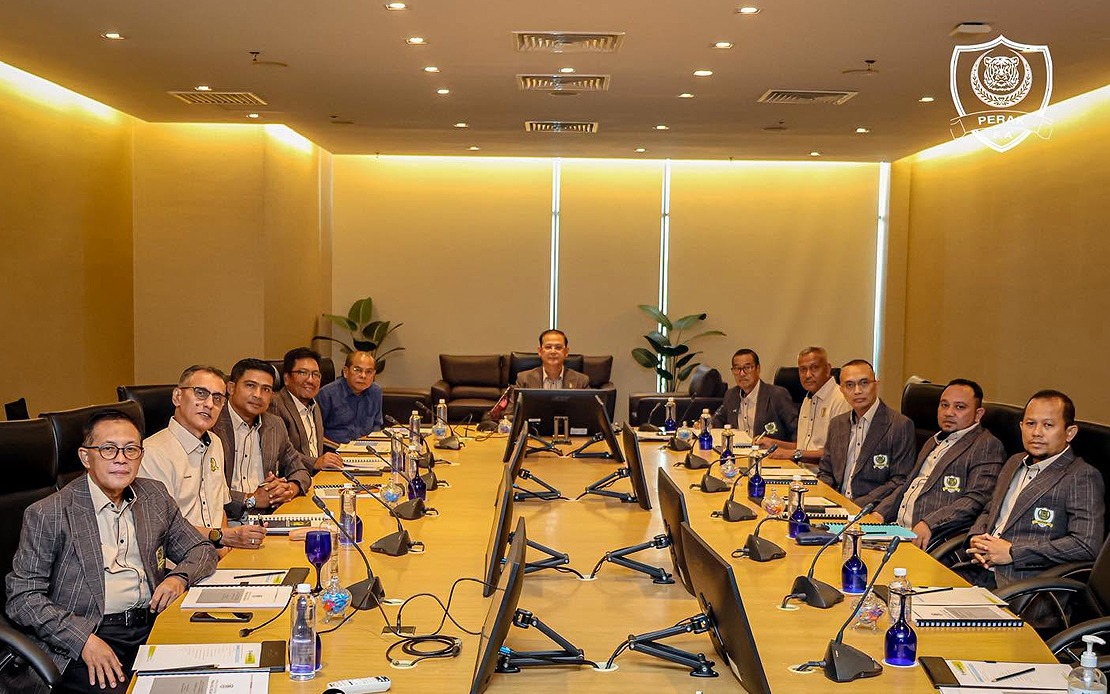
The Perak Football Association has announced plans to recruit a new head coach to lead the state team through the 2026-2027 Liga A1 Semi-Pro campaign, responding to recently introduced governance standards that are reshaping Malaysian football's technical infrastructure. The appointment marks a significant transition in how Perak manages its competitive football programme and reflects broader regulatory changes sweeping through the country's semi-professional tier.
The catalyst for this coaching search stems from a new requirement introduced by the Amateur Football League, which now mandates that every team participating in Liga A1 Semi-Pro must employ a head coach holding an AFC Pro Diploma Coaching License, commonly referred to as Pro-A certification. This standardisation ensures that coaches across Malaysia's semi-professional football landscape meet internationally recognised qualifications, elevating the quality of instruction and tactical guidance available to players at this developmental level.
Beyond simply meeting the licensing threshold, PAFA has outlined an ambitious recruitment profile for its next head coach. The association seeks an individual combining formal credentials with substantial experience in grassroots football development, contemporary coaching methodologies, and a documented history of success at state, national, and international competition levels. This comprehensive specification reflects PAFA's recognition that technical competence alone is insufficient; the appointment must align with a broader vision for how Perak develops its football talent pipeline and establishes sustainable competitive performance.
The coaching decision ties directly to Perak's long-term football development framework, particularly the state's Perak Sejahtera 2030 Plan. PAFA has indicated that the new head coach's appointment will be evaluated partly through the lens of how effectively the candidate can contribute to this ambitious state development agenda. This integration of coaching appointments with broader policy objectives demonstrates how Malaysian football associations increasingly view technical staff as instruments for advancing state-level aspirations, not merely short-term competitive interests.
Outgoing coach Syamsul Saad, a former Perak player himself, delivered respectable results during his tenure, guiding the team to fifth place in the league standings whilst also steering the side to the MFL Challenge Cup semifinals and the Malaysia Cup quarterfinals. His departure, while prompted by licensing requirements rather than performance deficiencies, represents the type of transition likely to occur across multiple Malaysian clubs as the AFC Pro Diploma mandate takes full effect. Clubs with coaches lacking the required certification will face similar decisions regarding their technical personnel.
In a departure from some sports organisations' practices, PAFA has committed to retaining the existing coaching support staff rather than implementing wholesale replacements. This measured approach recognises the institutional knowledge and continuity that assistant coaches and technical specialists provide. By pairing the new head coach with established support personnel, PAFA aims to create a cohesive technical structure that preserves organisational learning whilst introducing fresh perspectives and internationally standardised coaching practices.
Player retention remains another cornerstone of PAFA's planning for the coming season. The association has committed to offering new contracts to squad members who satisfied performance evaluation criteria during the previous campaign. This selective approach balances squad continuity with the flexibility to reshape the roster where necessary, ensuring that proven performers maintain employment whilst creating space for emerging talent identified through development pathways.
Peark's participation across multiple league tiers reflects a deliberate infrastructure for player development. Beyond Liga A1 Semi-Pro, the state team will compete in Liga A2 Amateur and the President's Cup, tournaments designed to expose developing players to varying levels of competition intensity. This multi-tiered engagement proves particularly valuable for introducing prospects emerging from grassroots programmes, including those identified through Malaysia Games selection processes and the Liga Perak Sejahtera 2030 competition.
Through the systematic implementation of this comprehensive development framework spanning three competitive leagues, Perak has reportedly produced approximately 70 players aged between 18 and 24 years, establishing a talent pipeline that suggests the state's investments in grassroots infrastructure are yielding measurable outputs. These young players represent potential future representatives in national squads and established professional leagues, making the quality of coaching they receive at developmental levels critically important for their long-term progression.
The appointment initiative also reflects shifting dynamics in Malaysian football governance, where state associations increasingly demonstrate sophistication in linking short-term competitive objectives with long-term strategic planning. PAFA's explicit reference to alignment with state development plans illustrates how football governance has become integrated with broader political and developmental agendas, a pattern visible across multiple Malaysian states seeking to establish competitive advantage in the domestic football ecosystem.
Menteri Besar Datuk Saarani Mohamad's continued support for Perak's football initiatives, highlighted in PAFA's statement, underscores the political importance of sports development in contemporary Malaysian governance. State leadership backing provides both financial security and institutional authority necessary for associations to implement comprehensive development programmes, a dependency that shapes how Malaysian football clubs structure their operations.
As the coaching search progresses, PAFA's approach will likely establish benchmarks for similar appointments across other Malaysian states and clubs facing the same AFC Pro Diploma requirement. The emphasis on combining technical credentials with grassroots experience and state development alignment may influence how other associations conceptualise coaching recruitment, potentially elevating professional standards across Malaysia's semi-professional and amateur football landscape whilst strengthening the connection between competitive football and documented talent development outcomes.

