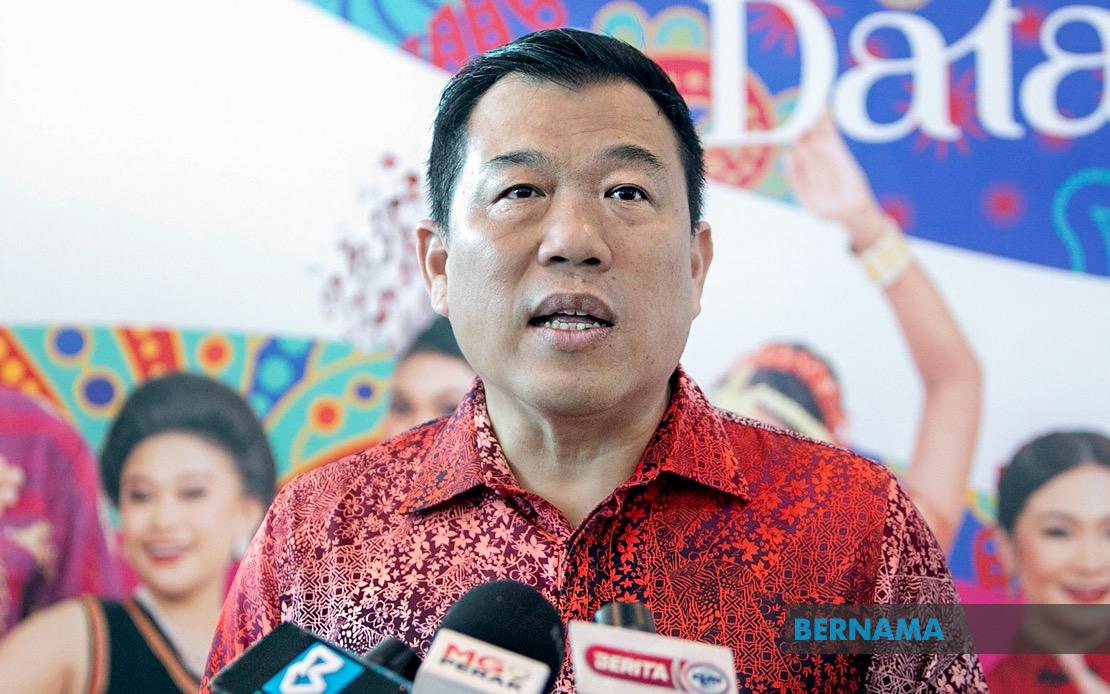
Perak's tourism sector is bucking regional headwinds, with domestic visitor numbers climbing to 10.4 million overnight stays in 2024 from 10.2 million the previous year, according to Loh Sze Yee, the state's Tourism, Industry, Investment and Corridor Development Committee chairman. The modest but steady growth underscores the resilience of Malaysia's internal travel market and suggests strong domestic confidence in leisure spending despite broader economic uncertainties facing the nation's tourism industry.
The gains on the domestic front, however, mask a troubling trend in international arrivals. Perak experienced a contraction of approximately 1.5 per cent in foreign visitor numbers last year, reflecting systemic challenges affecting regional tourism corridors. Loh attributed this decline to multiple structural headwinds, most notably the discontinuation of direct flights between Singapore and Ipoh, which severed a critical link to one of Southeast Asia's wealthiest and most mobile tourist populations. The removal of this route has effectively isolated Perak from convenient access for Singaporean visitors, forcing them to consider alternative destinations within the region or international markets.
Beyond flight connectivity, the global oil crisis has exerted sustained pressure on the aviation industry, elevating operational costs for airlines and consequently pushing ticket prices higher for consumers. This economic friction has compressed demand across long-haul and regional routes, dampening the international visitor pipeline that Perak has traditionally relied upon to supplement domestic tourism revenue. The compounding effect of reduced flight capacity and elevated travel costs has created a challenging environment for destinations seeking to maintain foreign arrivals.
Referring to data released by Chief Statistician of Malaysia Datuk Seri Dr Mohd Uzir Mahidin, Perak ranks third among Malaysian destinations by total domestic visitor volume, trailing Selangor's commanding 36.4 million visitors and Kuala Lumpur's 35.1 million, while commanding a respectable 23.6 million arrivals itself. This positioning reflects Perak's appeal as a secondary tourism hub, drawing visitors from surrounding states and major metropolitan areas seeking heritage experiences, natural attractions, and cultural immersion without travelling extreme distances.
Mohd Amirul Rizal Abdul Rahim, Director-General of Tourism Malaysia, highlighted Ipoh's strategic importance when announcing that the city has been selected to host the Pantai Timur Fest 2026. The choice reflects a deliberate repositioning strategy within Malaysia's tourism promotion apparatus, leveraging Perak's central geographic position to introduce visitors from the northern, central, and southern regions of Peninsular Malaysia to the distinctive offerings of the East Coast states of Kelantan, Terengganu, and Pahang.
The festival structure itself embodies a regional promotion methodology designed to cross-pollinate tourism demand across multiple states. By housing 30 exhibition booths in Ipoh featuring operators, attractions, and travel providers from the three East Coast destinations, Tourism Malaysia has created a concentrated marketplace where potential visitors can encounter comprehensive tourism offerings without requiring separate trips to each state. This model recognises that many leisure travellers seek itinerary convenience and bundled experiences, making centralised showcases highly effective for market development.
The exhibition encompasses the full spectrum of the tourism value chain, from travel agencies and hotels to theme parks, heritage sites, and online travel platforms. This diversity ensures that visitors encounter accommodation options, transportation solutions, and curated experiences simultaneously, facilitating informed trip planning and reducing friction in the booking process. The inclusion of online travel agents particularly signals recognition of digital-first consumer behaviours in modern leisure travel, where many Malaysian tourists now research and book through mobile and web platforms rather than traditional agencies.
Cultural and experiential programming distinguishes the festival from purely transactional trade shows. Traditional craft demonstrations, heritage food promotions, and live cultural performances create emotional engagement with regional identity, encouraging visitors to conceptualise travel not merely as logistical movement but as meaningful cultural encounter. These immersive elements address a documented shift in tourism preferences, particularly among Malaysian millennials and Gen Z travellers, who increasingly prioritise authentic experiences and cultural literacy in destination selection.
The festival's timing coincides strategically with the Visit Malaysia 2026 campaign, which represents the government's coordinated push to elevate Malaysia's international tourism profile during a significant promotional year. By integrating Pantai Timur Fest 2026 into this broader campaign framework, Tourism Malaysia has amplified the event's reach and lent it institutional weight and marketing support that would prove difficult for individual state-level tourism authorities to generate independently. The campaign's special offers and packaged discounts on travel experiences provide immediate commercial incentives that convert festival attendance into actual bookings and expenditure.
For Perak specifically, this elevated platform offers opportunity to reverse the international visitor decline by positioning itself not as a standalone destination but as the strategic gateway to a broader East Coast tourism cluster. The state's geographic centrality—positioned roughly equidistant from Kuala Lumpur to the south and the northern corridor—positions Ipoh as the logical consolidation point for multi-state itineraries that capture high-value, extended-stay international visitor segments. Airlines considering route development might view restored or enhanced connectivity to Ipoh as gateway access to the entire East Coast region rather than to Perak alone.
The domestic tourism resilience evidenced by the 10.2 to 10.4 million growth trajectory suggests that once international flight connectivity improves and global aviation economics normalise, Perak possesses established domestic appeal that foreign visitors will recognise and embrace. The state has not suffered reputational damage or attraction deterioration—rather, it faces a supply-side constraint in accessibility. As Pantai Timur Fest 2026 unfolds and the Visit Malaysia 2026 campaign gains momentum, Perak's tourism authorities will have an extended window to demonstrate the state's essential role within a comprehensively developed East Coast tourism ecosystem, potentially justifying route reopenings and increased flight frequency that would reverse the current international arrival downturn.

